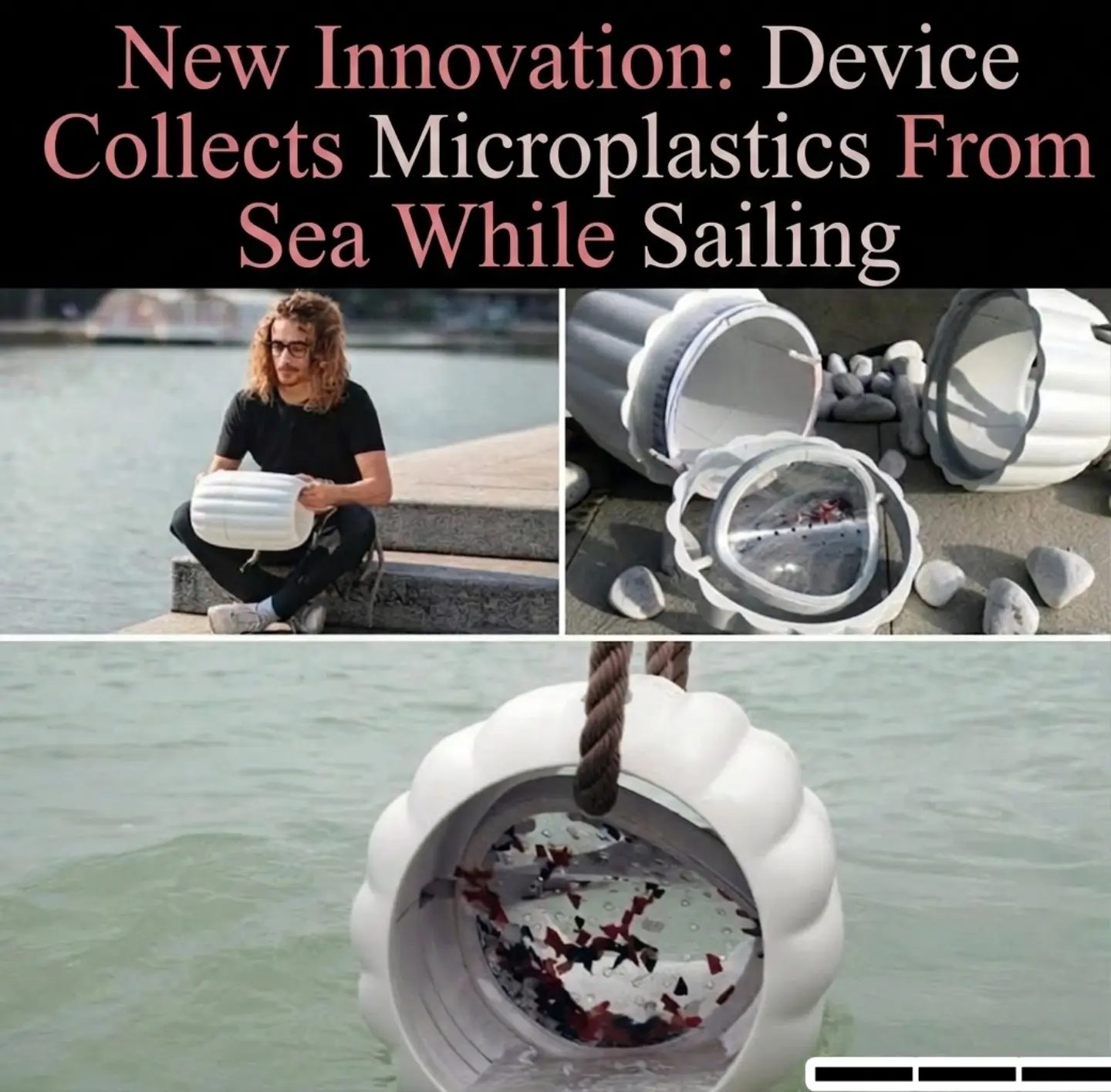
The Manta Filter: Collecting Microplastics While Sailing
The Manta Filter is a innovative device inspired by manta rays, designed to collect harmful microplastics from the ocea…
Tag
Deep-dive articles with this tag.
The Manta Filter is a innovative device inspired by manta rays, designed to collect harmful microplastics from the ocea…

Nonstick pans, prized for their convenience, may pose health risks when their PTFE coating is damaged. Scratched or wor…
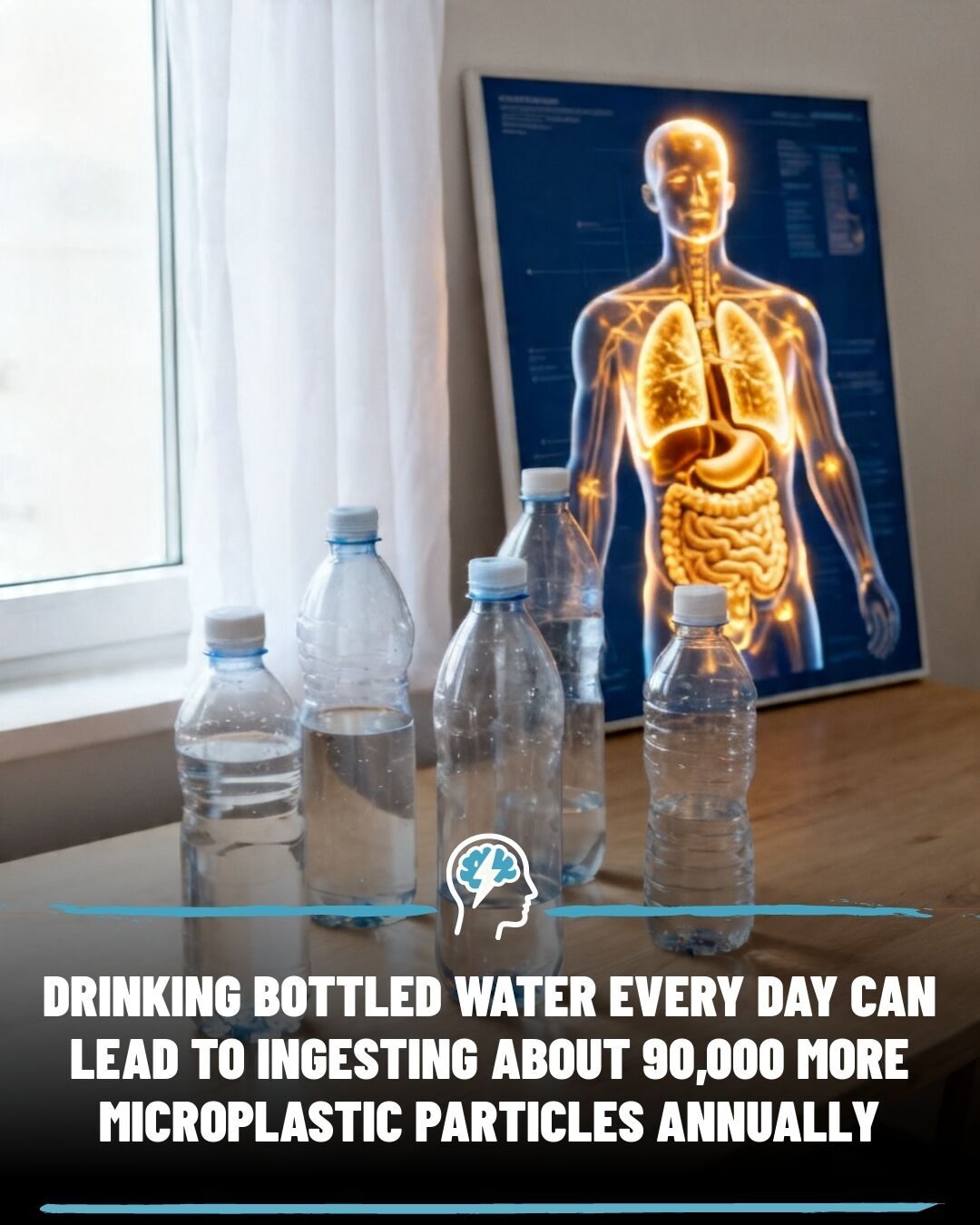
Daily bottled water consumption may expose drinkers to significant amounts of microplastics, tiny particles potentially…

Bottled water contains alarmingly high levels of plastic particles, with recent findings revealing up to 240,000 partic…

Microplastics from tea bags are a growing concern due to their potential to enter the body. Steeping a single plastic t…

Kimchi, a traditional Korean fermented dish, may help eliminate microplastics from the body, offering a potential solut…

A Virginia student has developed a low-cost, lead-free water filter that removes up to 96% of microplastics, a growing…
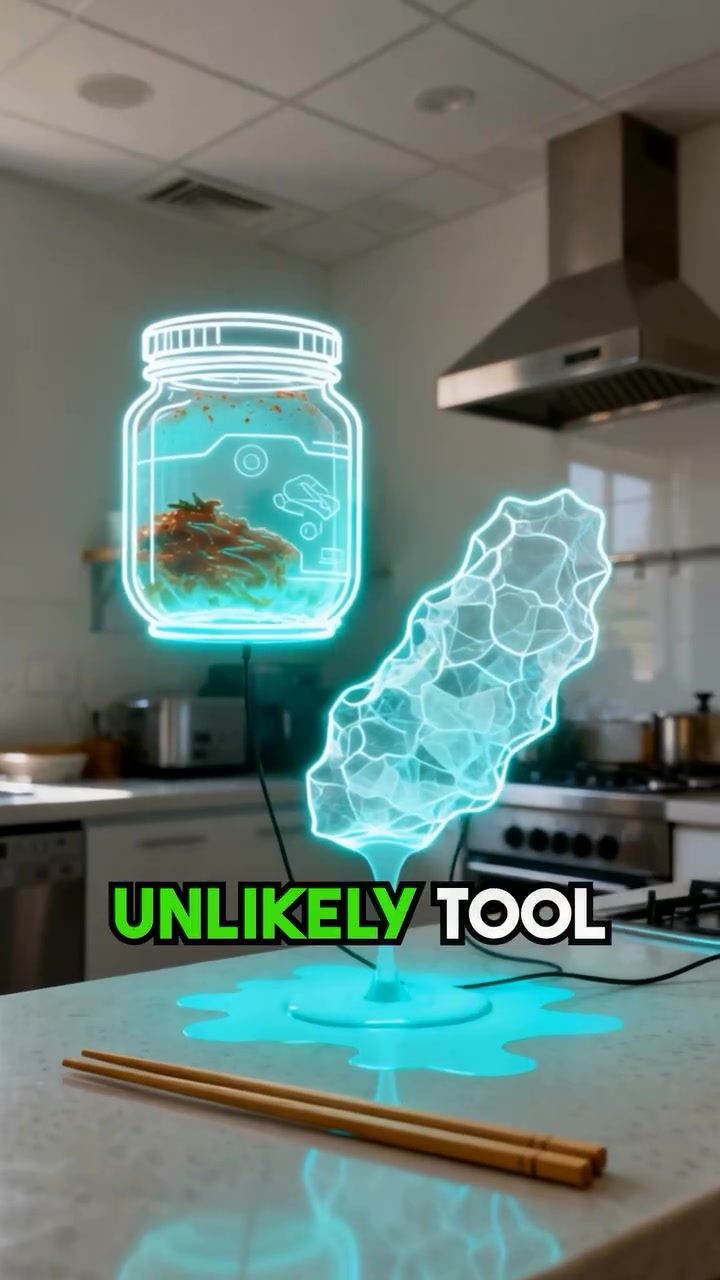
Kimchi, a traditional Korean fermented food, contains bacteria with the remarkable ability to degrade microplastics, of…

Mia Heller, a student from Warrenton, Virginia, has devised a groundbreaking water filter that removes 96% of microplas…

Microplastics, found in human blood and organs, are a growing health concern. Tamarind seeds, however, may offer a natu…
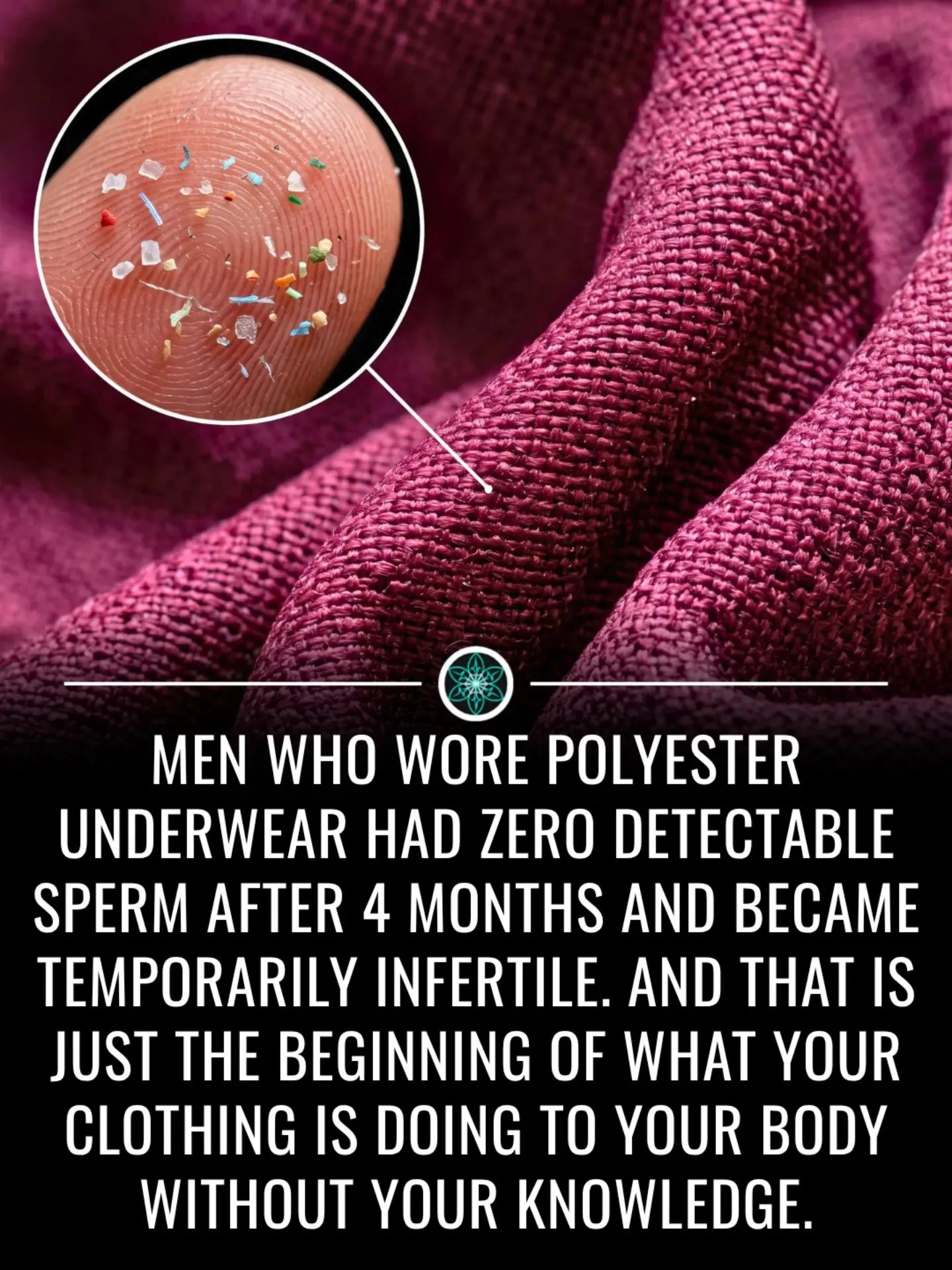
Synthetic fabrics, like polyester, are common in clothing but pose potential health risks due to microplastics and harm…

Microplastics, tiny particles from plastic breakdown, are found in many everyday items. To mitigate potential health ri…