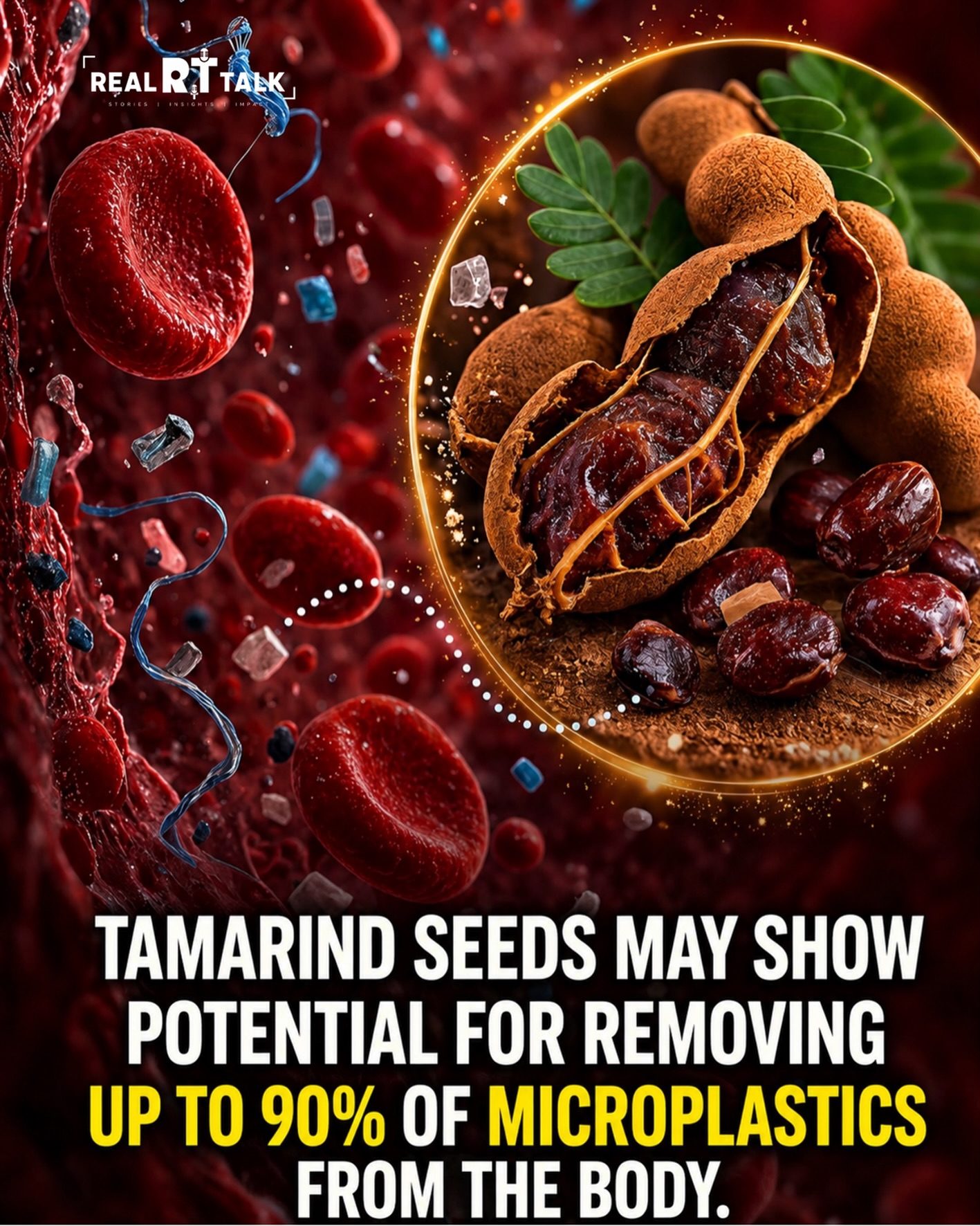
Tamarind Seeds and Microplastics
Microplastics, tiny plastic particles, are pervasive in our environment and have been found in human blood, organs, and even brain tissue. These particles pose long-term health risks, as the body struggles to naturally eliminate them. However, a new study suggests that tamarind, a fruit widely consumed in Asia and Africa, may offer a solution by helping the body remove microplastics.
Context / Why this matters
Microplastics are everywhere—from the deepest oceans to the highest mountains. Humans ingest and inhale these particles daily, and they accumulate in our bodies over time. Since the body cannot easily eliminate microplastics, their buildup may lead to various health issues, including inflammation, oxidative stress, and potential organ damage. Finding a natural and effective way to remove these particles is crucial for maintaining overall health and well-being.
Main discussion
The Potential of Tamarind
Researchers from Tarleton State University in Texas have discovered that certain compounds in tamarind seeds can bind to microplastic particles. This finding suggests that tamarind may help the body collect and eliminate microplastics more efficiently. In controlled experimental conditions, participants who consumed tamarind extract showed higher levels of microplastic elimination compared to the control group.
How Tamarind Works
Tamarind seeds contain specific compounds that have an affinity for microplastic particles. When these compounds bind to microplastics, they help aggregate the particles, making it easier for the body to excrete them. This process is particularly noteworthy because it leverages natural plant compounds to address a modern environmental health challenge.
Scientific Evidence
The study conducted by scientists from Tarleton State University provides promising evidence for the potential of tamarind seeds in removing microplastics. The research involved controlled experiments where participants consumed tamarind extract. The results showed a significant increase in microplastic elimination in the participants who consumed the extract compared to the control group. This suggests that tamarind seeds may play a role in reducing the body's microplastic burden.
Microplastics and Health Risks
Microplastics in the body can lead to various health issues. They can induce inflammation, disrupt cellular processes, and potentially damage organs over time. The body's inability to naturally eliminate these particles exacerbates the problem, making it essential to find effective removal methods. Tamarind seeds offer a natural and potentially safe solution to this growing health concern.
Practical tips
To incorporate tamarind into your diet and potentially benefit from its microplastic-removing properties, consider the following tips:
Incorporating Tamarind into Your Diet
Tamarind is a versatile fruit that can be enjoyed in various forms. You can add tamarind paste to soups, stews, and marinades for a tangy flavor. Tamarind juice is another option and can be mixed with water or other beverages. Alternatively, you can consume tamarind seeds directly or in the form of a supplement, depending on your preference and availability.
Dosage and Frequency
While the study conducted by Tarleton State University provides valuable insights, it is essential to consult with a healthcare provider before incorporating tamarind into your diet for microplastic removal. They can offer personalized advice based on your health status and dietary needs. Generally, consuming tamarind in moderation as part of a balanced diet is recommended.
Additional Benefits of Tamarind
Beyond its potential to remove microplastics, tamarind offers numerous health benefits. It is rich in antioxidants, vitamins, and minerals, which support overall health and well-being. Tamarind also has anti-inflammatory properties and can aid in digestion, making it a valuable addition to your diet.
Important takeaways
- Microplastics are a growing health concern: Their presence in the body can lead to various health issues, including inflammation and organ damage.
- Tamarind seeds show potential: They contain compounds that can bind to microplastic particles, aiding in their elimination.
- Controlled studies support tamarind's effectiveness: Participants who consumed tamarind extract showed higher levels of microplastic elimination.
- Natural and effective: Tamarind offers a natural and potentially safe solution to the microplastic problem.
- Consult a healthcare provider: Before incorporating tamarind into your diet for microplastic removal, seek professional advice.
Conclusion
Microplastics pose a significant health risk, and finding effective ways to remove them from the body is crucial. Tamarind, a widely consumed fruit in Asia and Africa, may offer a natural and effective solution. By incorporating tamarind into your diet, you can potentially benefit from its microplastic-removing properties and enjoy its numerous health benefits. Always consult with a healthcare provider before making dietary changes, especially for specific health goals.
Questions readers ask
What are microplastics and why are they a concern?
Microplastics are tiny plastic particles that have infiltrated various environments, including human bodies. They are a concern because they accumulate over time, pose long-term health risks, and may lead to inflammation, oxidative stress, and potential organ damage.
How do tamarind seeds help in removing microplastics from the body?
Tamarind seeds contain properties that bind to microplastics. This binding action helps the body to eliminate these particles, as the seeds aid in their removal through natural processes.
What are the health benefits of tamarind seeds beyond microplastic removal?
While the study highlights the benefits of tamarind seeds for microplastic removal, tamarind seeds are known for their high fiber content, which aids in digestion, and their antioxidant properties, which can help reduce inflammation.
How can I incorporate tamarind seeds into my daily diet?
Tamarind seeds can be consumed by soaking, grinding, or roasting them. You can add them to soups, stews, or even make a powder form to mix into beverages. However, it is important to consult with a healthcare provider before making significant changes to your diet, especially if you are pregnant, have allergies, or health conditions.
Are there any studies confirming the effectiveness of tamarind seeds in removing microplastics?
Recent research suggests that tamarind seeds may help in binding to and removing microplastics from the body. While more studies are needed to confirm the extent of this benefit, the initial findings are promising.
What are the main sources of microplastics in the human body?
Microplastics enter the human body through various means, including ingestion of contaminated food and water, inhalation of polluted air, and absorption through the skin. Everyday items like plastic packaging, synthetic clothing, and personal care products can contribute to microplastic exposure.
What can I do to reduce my exposure to microplastics?
To reduce microplastic exposure, consider using reusable water bottles, avoiding single-use plastics, and choosing natural fiber clothing. Additionally, filtering tap water and opting for fresh, unprocessed foods can help minimize intake.
Related deep dives
Similar reads based on topic and creator.


Recent articles
Fresh deep dives from the latest Reels we unpacked.




Comments
Be the first to comment.