Plastic in Bottled Water: What You Need to Know
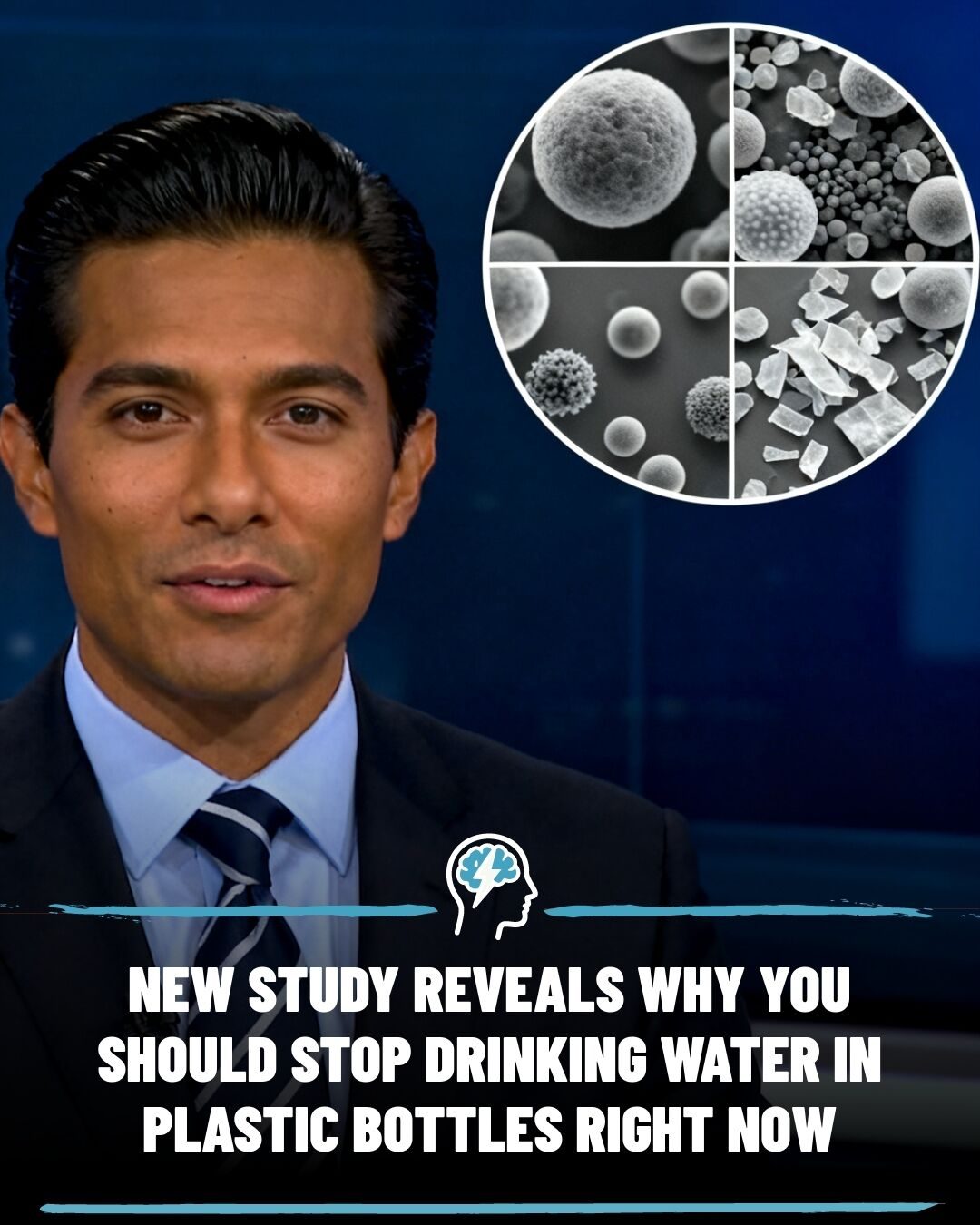
The presence of plastic in bottled water has been a growing concern, and a recent 2024 study has shed new light on the extent of the problem. The findings are alarming: bottled water contains approximately 240,000 plastic particles per liter. This is significantly higher than previous estimates, which ranged from 2,400 to 24,000 particles per liter. Understanding the implications of this discovery is crucial for making informed decisions about our water consumption.
Why This Matters
Plastic contamination in drinking water is not a new issue, but the scale revealed by this study is unprecedented. The health risks associated with ingesting microplastics, especially nanoplastics, are still being studied. However, the mere presence of such high levels of plastic in a product intended for human consumption raises serious concerns. This issue is not just about the immediate health risks but also about the broader implications for environmental health and consumer trust.
Understanding the Study
The Technology Behind the Discovery
For many years, detecting microplastics in water involved identifying larger particles, typically those above 100 micrometers. The study's breakthrough came from the use of an advanced laser imaging technique called stimulated Raman scattering. This method can detect plastic fragments as small as 100 nanometers, which is about 1,000 times smaller than the width of a human hair.
The Source of the Plastic
One of the most surprising findings of the study is that most of the plastic particles in bottled water do not originate from the PET bottles themselves. Instead, the contamination primarily comes from polyamide (nylon) and polystyrene, which are used in the water purification and packaging processes. This suggests that the systems designed to make water "pure" may actually be introducing these contaminants.
The Role of Nanoplastics
The study highlights that about 90% of the plastic particles found in bottled water are nanoplastics, which are so tiny that they were previously undetectable. These nanoplastics are now visible thanks to advances in technology, allowing for a more comprehensive understanding of the problem.
Practical Tips
While the study does not provide definitive answers about the long-term health implications of ingesting these plastic particles, it does offer some immediate steps you can take to reduce your exposure.
Choose Alternative Containers
For those concerned about plastic contamination, opting for glass or stainless steel containers may be a good alternative. These materials are less likely to leach particles into the water, and they are also more environmentally friendly.
Filter Your Water
Investing in a high-quality water filter can help reduce the presence of microplastics. Many filters are specifically designed to remove contaminants, including microplastics, from tap water. While this does not eliminate the problem of plastic in bottled water, it offers a practical solution for those who prefer to drink filtered tap water.
Stay Informed
As research continues to evolve, staying informed about the latest findings is essential. Keeping up with the latest studies and health advisories can help you make more informed decisions about your water consumption and the products you use.
Important Takeaways
The Evolving Science of Contamination
The study underscores the evolving nature of scientific research. What we couldn't measure yesterday, we can measure today. This progress is crucial for understanding the impact of environmental contaminants on human health. The findings are not just about identifying a problem but also about recognizing the advancements that allow us to address it.
The Need for Further Research
While the study provides valuable insights, it also highlights the need for further research. The health implications of ingesting nanoplastics are still not fully understood. Ongoing research is necessary to determine the long-term effects and develop strategies to mitigate the risks.
Consumer Awareness
Increasing awareness about the presence of microplastics in bottled water is essential for consumers to make informed decisions. This knowledge can drive demand for safer alternatives and push the industry to adopt more stringent standards for water purity.
Conclusion
The discovery of 240,000 plastic particles per liter in bottled water is a wake-up call for both consumers and the industry. It underscores the importance of continuing research and the need for better regulatory standards. By staying informed and making conscious choices, we can take steps to reduce our exposure to plastic contaminants and contribute to a healthier environment.
Questions readers ask
What are the primary sources of plastic contamination in bottled water?
The plastic particles found in bottled water primarily originate from the water purification processes and the packaging materials used. These particles can come from the plastic bottles themselves, as well as from filters and other equipment used during production.
How does the recent 2024 study on bottled water compare to previous findings?
The 2024 study revealed an alarmingly high level of plastic particles in bottled water, with up to 240,000 particles per liter. This is significantly higher than previous estimates, which ranged from 2,400 to 24,000 particles per liter.
What are the potential health risks associated with consuming plastic particles in water?
The health risks associated with ingesting microplastics, especially nanoplastics, are still under investigation. However, the presence of these particles in drinking water raises concerns about potential long-term health impacts, including inflammation and chronic diseases.
Why is the environmental impact of plastic in bottled water concerning?
The environmental impact of plastic in bottled water is concerning because it contributes to the overall plastic pollution problem. When plastic particles enter the environment, they can harm wildlife, disrupt ecosystems, and potentially re-enter the food chain, affecting human health over time.
What can consumers do to reduce their exposure to plastic particles in bottled water?
Consumers can reduce their exposure by opting for water filters that effectively remove microplastics or by using reusable water bottles with water from trusted tap sources. Additionally, supporting initiatives that advocate for stricter regulations on bottled water production can help minimize plastic contamination.
Are there any regulations in place to address plastic contamination in bottled water?
As of now, specific regulations targeting plastic contamination in bottled water are limited. However, increasing public awareness and advocacy can push for stricter guidelines and better monitoring practices to ensure safer drinking water for everyone.
Related deep dives
Similar reads based on topic and creator.

Recent articles
Fresh deep dives from the latest Reels we unpacked.




Comments
Be the first to comment.