Nonstick Pan Safety
Nonstick pans are a staple in many kitchens, valued for their convenience and ease of use. However, recent findings shed light on potential health implications related to the wear and tear of these pans. Understanding the risks associated with damaged nonstick cookware is crucial for making informed decisions in the kitchen.
Why This Matters
Nonstick pans are coated with polytetrafluoroethylene (PTFE), commonly known as Teflon. This synthetic material is composed of carbon and fluorine atoms, making it highly effective for preventing food from sticking. Unfortunately, when the coating on these pans becomes scratched, cracked, or worn down over time, it can release tiny fragments of micro and nano plastics.
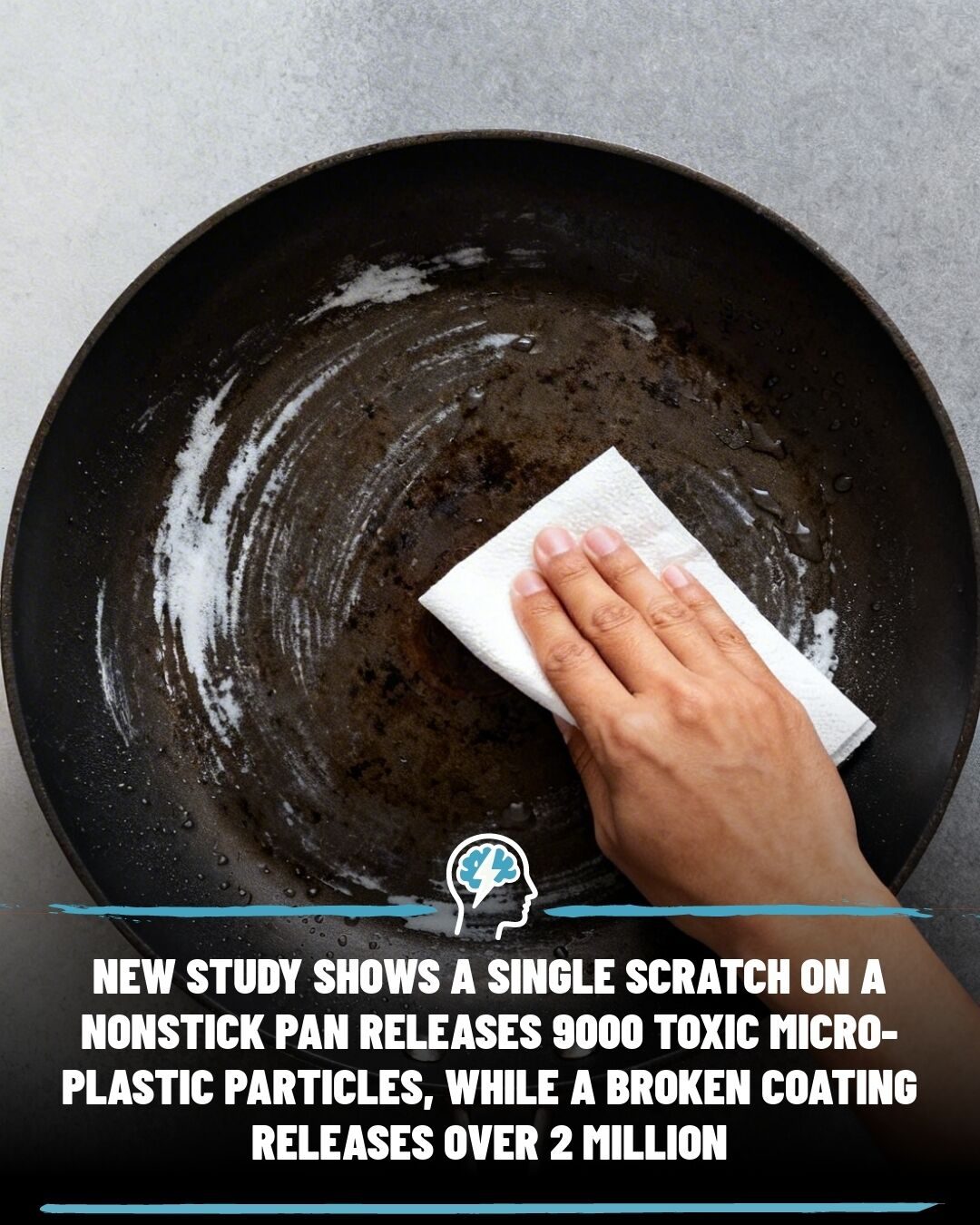
These particles can end up in the food being cooked. A 2022 study found that even a single scratch on a nonstick pan can release approximately 9,000 toxic microplastic particles. If the coating is significantly damaged, this number can jump to over 2 million particles in just 30 seconds of cooking.
Understanding the Risks
How the Coating Breaks Down
The PTFE coating is designed to be durable, but it is not indestructible. Over time, especially with frequent use and cleaning, the coating can degrade. This degradation is exacerbated by metal utensils, which can scratch the surface. When the coating is damaged, it sheds tiny fragments that can easily contaminate your food.
The Impact of Microplastics
Microplastics and nanoplastics are notorious for their pervasive nature and potential health risks. While research on the specific impacts of ingested Teflon microplastics is still ongoing, there is evidence linking these particles to various health concerns. These include liver issues, kidney problems, and other health complications.
Additionally, nonstick coatings may shed perfluoroalkyl and polyfluoroalkyl substances (PFAS), often referred to as "forever chemicals." These substances are persistent in the environment and have been linked to a range of health issues in numerous studies.
Real-World Implications
The research conducted by scientists simulates typical cooking conditions using both new and used pans with various utensils. They employed advanced imaging techniques to count the particles released during cooking. This methodology provides a realistic view of what happens when nonstick pans are damaged and used under regular conditions.
Practical Tips
Inspect Your Pan
Regularly inspect your nonstick pans for visible damage such as scratches, cracks, or peeling. If you notice significant wear, it may be time to consider replacing the pan. A damaged pan can release a large number of microplastic particles, increasing the risk of ingestion.
Choose the Right Utensils
To prolong the life of your nonstick pans, opt for wooden or silicone utensils instead of metal. Metal utensils are more likely to scratch and damage the coating, leading to increased shedding of microplastics.
Consider Alternatives
If you're concerned about the potential health risks associated with nonstick pans, consider switching to alternatives like stainless steel or cast iron. These materials do not carry the same risks of shedding microplastics or PFAS and can provide durable, long-lasting cookware options.
Important Takeaways
Nonstick pans, while convenient, come with potential health risks when damaged. Understanding the science behind the release of microplastics and PFAS from damaged nonstick coatings can help you make better choices in the kitchen. Regularly inspect your pans, use appropriate utensils, and consider safer alternatives to ensure a healthier cooking environment.
Conclusion
While nonstick pans offer ease of use and convenience, being aware of their potential drawbacks is essential. By understanding how to identify and mitigate the risks associated with damaged nonstick cookware, you can make informed decisions that support your long-term health. Whether you choose to continue using nonstick pans or explore alternatives, staying informed is key to a safer, healthier kitchen.
Questions readers ask
What are the potential health risks associated with damaged nonstick pans?
Damaged nonstick pans can release microplastic particles into food, which have been linked to potential health issues such as liver and kidney problems. These particles can enter your body when you consume the food cooked in scratched or worn pans.
How does the coating on nonstick pans affect their safety?
Nonstick pans are coated with polytetrafluoroethylene (PTFE), commonly known as Teflon. When this coating becomes scratched or worn down, it can release micro and nano plastics. This means the condition of the coating directly impacts the safety of the pan.
What should I do if my nonstick pan is scratched or damaged?
If your nonstick pan is scratched or damaged, it's best to replace it to avoid potential health risks. Continue using a damaged pan can expose you to microplastic particles. Opt for scratch-free cookware or pans with a reinforced coating.
Can microplastics from nonstick pans be harmful when ingested?
Yes, microplastics from nonstick pans can be harmful when ingested. These tiny particles can potentially cause health issues such as liver and kidney problems. Studies and recent findings suggest that it's important to minimize exposure to these particles.
What are some safety tips for using nonstick pans?
To ensure safe use of nonstick pans, avoid using metal utensils that can scratch the coating. Opt for wooden, silicone, or plastic utensils instead. Additionally, replace pans when the coating shows signs of wear and avoid overheating the pan.
Recent articles
Fresh deep dives from the latest Reels we unpacked.




Comments
Be the first to comment.