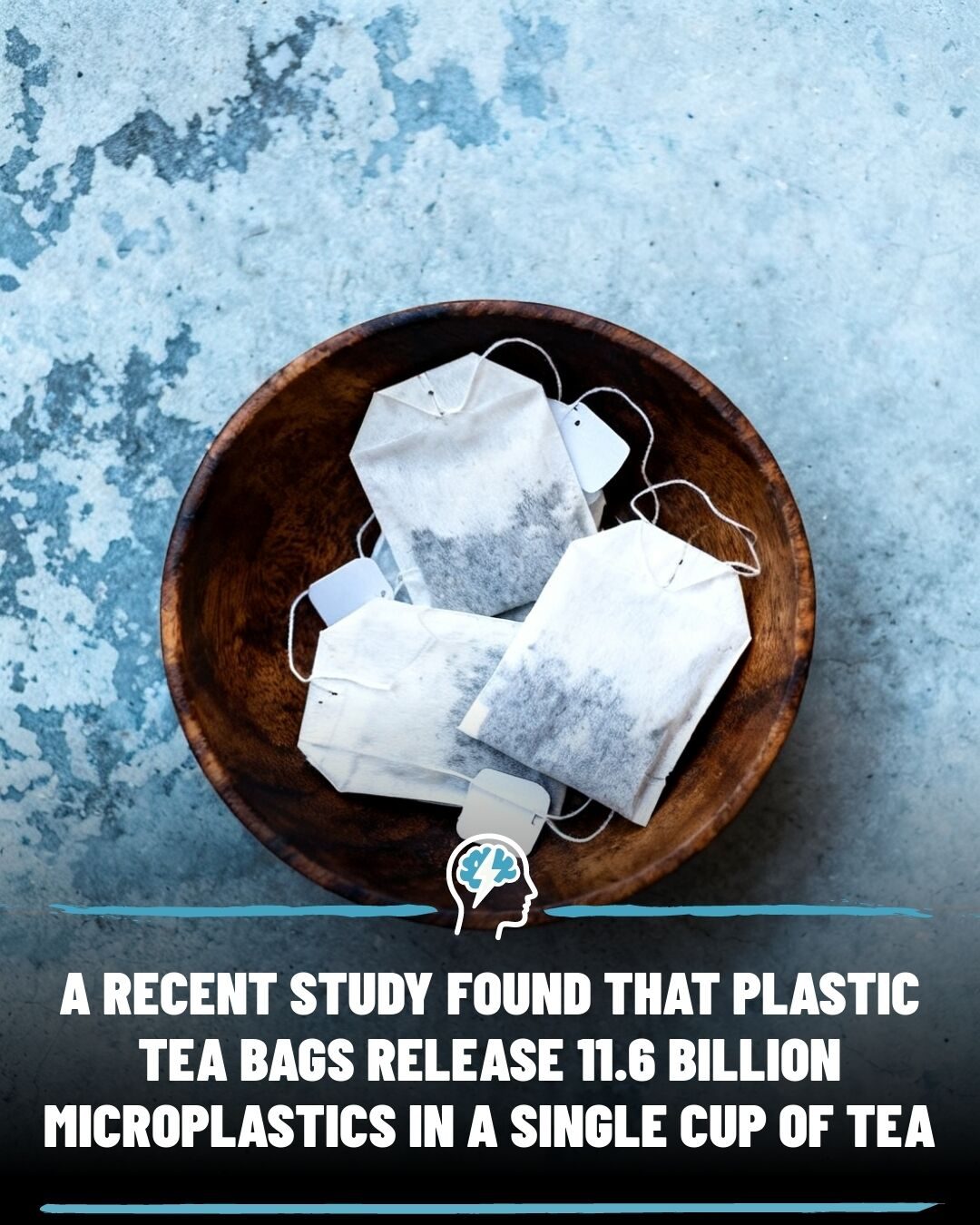
Microplastics in Tea Bags
Plastic tea bags have become a staple in many households, offering convenience and variety. However, recent studies have raised concerns about the potential release of microplastics from these tea bags into your cup. Understanding the implications of this phenomenon is crucial for making informed choices about your daily tea ritual.
Context / Why this matters
Microplastics are tiny plastic particles that measure less than five millimeters in length. They are ubiquitous in our environment, found in everything from ocean waters to the air we breathe. Recent research has focused on their presence in everyday items, including plastic tea bags. This matter is significant because microplastics can potentially be absorbed by the body, leading to various health implications.
Main discussion
Sources and Quantities of Microplastics
A 2019 study from McGill University revealed that steeping a single plastic tea bag at brewing temperature can release approximately 11.6 billion microplastics and 3.1 billion nanoplastics. More recent research from the Autonomous University of Barcelona in December 2024 confirmed these findings. The study identified that polypropylene tea bags, commonly used for heat sealing, release the highest amounts of microplastics—around 1.2 billion particles per milliliter of water.
The Mechanism Behind Microplastic Release
When hot water hits certain plastic tea bags, the heat causes the material to break down and shed microscopic plastic fragments. These particles are so small that they can potentially be absorbed by the cells lining your intestines. The Barcelona study demonstrated that human intestinal cells readily took up these particles, raising concerns about their potential to enter the bloodstream and circulate throughout the body.
Health Implications
While early research links microplastic exposure to inflammation, oxidative stress, and potential endocrine disruption, more definitive proof is needed to establish a clear link between microplastics from tea bags and specific human diseases. A German risk assessment institute challenged some of the original particle counts, suggesting they may have been overestimated. The science is still evolving, and individual responses can vary. Therefore, it is essential to stay informed and consider the available evidence when making choices about your tea consumption.
Types of Tea Bags and Microplastic Release
Not all tea bags are created equal when it comes to microplastic release. Loose leaf tea and bags made from paper and biodegradable materials like cellulose release far fewer particles in testing. These alternatives are worth considering if you want to reduce your exposure to microplastics. Polypropylene tea bags, on the other hand, are more likely to release higher amounts of microplastics due to their composition and the heat sealing process.
Practical tips
To minimize your exposure to microplastics from tea bags, consider the following tips:
- Switch to Loose Leaf Tea: Loose leaf tea is a great alternative that eliminates the need for plastic tea bags. It offers a more natural and environmentally friendly option.
- Choose Paper or Biodegradable Bags: Opt for tea bags made from paper or biodegradable materials like cellulose. These bags release far fewer microplastics and are a more sustainable choice.
- Be Mindful of Brewing Temperatures: Lower brewing temperatures can reduce the release of microplastics from plastic tea bags. Experiment with different temperatures to find a balance between flavor and reduced microplastic release.
- Reduce Overall Plastic Use: Limiting your use of plastic products in general can help reduce your overall exposure to microplastics. This includes using reusable containers, avoiding single-use plastics, and choosing products with minimal packaging.
Important takeaways
- Microplastics are Released: Plastic tea bags can release billions of microplastics and nanoplastics into your cup when steeped in hot water.
- Health Implications: While the health implications are still being studied, early research suggests potential links to inflammation, oxidative stress, and endocrine disruption.
- Alternatives Exist: Loose leaf tea and biodegradable tea bags are better alternatives that release far fewer microplastics.
- Science is Evolving: Stay informed about the latest research and consider the available evidence when making choices about your tea consumption.
Conclusion
The presence of microplastics in tea bags is a growing concern that warrants attention. While the science is still evolving, it is clear that switching to alternatives like loose leaf tea or biodegradable tea bags can reduce your exposure to these tiny plastic particles. Making informed choices about your tea consumption is a step towards a healthier and more sustainable lifestyle.
By understanding the potential release of microplastics from plastic tea bags and taking practical steps to reduce exposure, you can enjoy your daily tea ritual with greater peace of mind.
Questions readers ask
What are the primary sources of microplastics in tea?
The primary source of microplastics in tea is the plastic used in tea bags. When hot water is used to steep, it can cause the plastic to break down, releasing billions of microplastics and nanoplastics into your beverage.
How many microplastics can a single tea bag release?
A single plastic tea bag can release billions of microplastics and nanoplastics when steeped in hot water.
What are the potential health effects of consuming microplastics from tea?
The potential health effects of consuming microplastics from tea are still an area of ongoing research. While the exact impacts are not fully understood, there are concerns about the potential for these particles to be absorbed by the body, which could lead to various health issues.
Are there studies confirming the release of microplastics from tea bags?
Yes, recent research, including a study conducted by the University of Barcelona, has confirmed that microplastics are released from plastic tea bags when they are steeped in hot water.
How does the temperature of the water affect the release of microplastics from tea bags?
Hot water facilitates the release of microplastics from tea bags. The higher the temperature, the more microplastics are likely to be released into your beverage.
What can I do to reduce my exposure to microplastics from tea?
To reduce your exposure to microplastics from tea, consider using loose-leaf tea or tea bags made from plant-based materials instead of plastic. Additionally, avoiding excessively hot water when steeping your tea can help minimize the release of microplastics.
What recent findings have been reported about microplastics in hot beverages other than tea?
Recent research has also shown that other hot beverages, not just tea, can contain microplastics. While the extent varies by beverage type, the presence of microplastics in hot beverages is an emerging area of interest.
Related deep dives
Similar reads based on topic and creator.




Recent articles
Fresh deep dives from the latest Reels we unpacked.




Comments
Be the first to comment.