Microplastics Water Filters
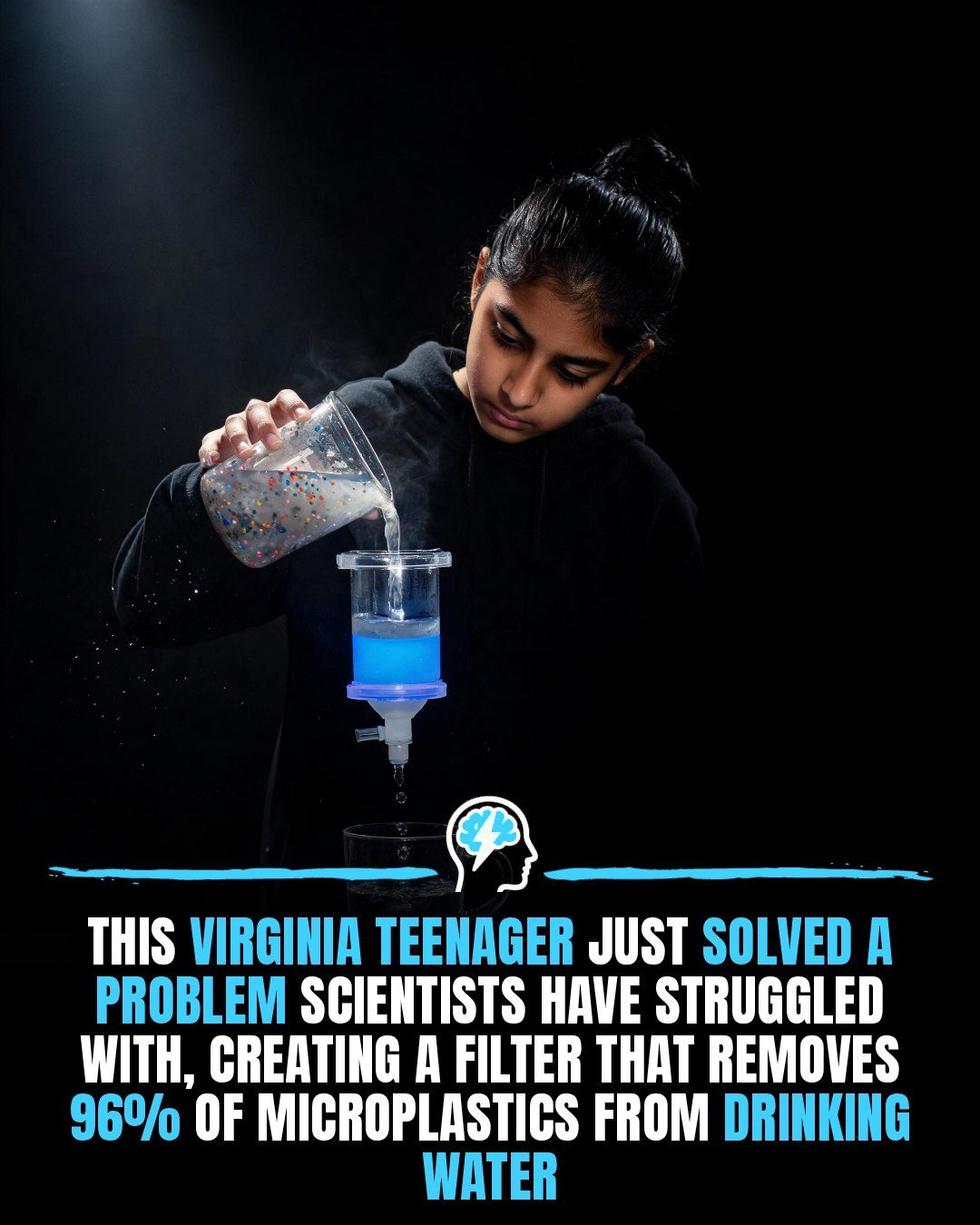
With microplastics increasingly found in drinking water sources, a Virginia teenager has created an affordable and effective solution. A water filter designed to remove up to 96% of microplastics, this invention tackles a problem that has long challenged scientists and engineers. The simplicity and affordability of this filter make it a promising tool in the fight against microplastic pollution.
Why This Matters
The ubiquity of microplastics is alarming, with particles turning up in everything from deep ocean water to tap water. Traditional water treatment methods often fail to capture these tiny pollutants. This new filter offers a practical, scalable solution that can be used at home or in communities, providing clean water even where infrastructure is limited.
The Invention
The microplastics filter is a lead-free design, ensuring it doesn't introduce new contaminants into the water. Filled with colorful beads, the device catches particles that are too small for traditional treatment plants to trap. The filter is built from easy-to-find, cost-effective materials, making it accessible for communities worldwide. Importantly, it has been tested to remove 96% of microplastics across different types of water.
The Origin Story
Student inventor Justin Sather was inspired by a concern for frogs, which are highly sensitive to pollutants due to their porous skin. This sensitivity makes frogs valuable indicator species for environmental health. Sather realized that the same thinking could be applied to remove microplastics from human drinking water, leading to the development of this innovative filter.
Affordability and Accessibility
The filter’s affordability is a game-changer, particularly for developing nations where access to clean water is often a challenge. Unlike many existing solutions, this filter can fill a critical gap left by standard charcoal and sand filters, which are often ineffective against microplastics. Moreover, the filter’s scalability means it can be adapted for use in small households or large communities, making it a versatile solution to a widespread problem.
Scalability and Impact
The small size of the filter makes it ideal for household use, while its design can also be scaled up for community-wide applications. This versatility is crucial, allowing the filter to be deployed in various settings, from rural villages to urban centers. The invention serves as a powerful example of how local solutions can address global issues, proving that innovative thinking and a practical approach can make a significant impact.
Practical Tips
If you're interested in building or using a similar microplastics filter, consider the following tips:
- Material Selection: Choose materials that are both affordable and effective at trapping microplastics. Avoid materials that could introduce new contaminants into the water.
- Design: Ensure the filter is designed to capture particles smaller than those trapped by traditional treatment plants. This may involve using beads or other small, porous materials.
- Testing: Rigorously test the filter across different types of water to ensure its effectiveness. Aim for a high removal rate, ideally above 90%.
- Scalability: Design the filter to be easily scalable, so it can be adapted for both household and community use. This flexibility will increase its utility and impact.
Important Takeaways
- Affordability: The filter's low cost makes it a viable solution for developing nations and communities with limited resources.
- Effectiveness: With a 96% removal rate, the filter is highly effective at capturing microplastics that traditional treatment methods miss.
- Scalability: The design can be adapted for both small-scale and large-scale use, making it a flexible solution.
- Innovation: The filter's creation underscores the power of innovative thinking and practical solutions in addressing global environmental challenges.
Conclusion
The development of this microplastics filter is a significant step forward in the battle against plastic pollution in drinking water. By combining affordability, effectiveness, and scalability, this invention offers a practical solution that can be implemented widely. Whether used in households or scaled for community use, this filter exemplifies how innovative thinking can lead to real-world impact. As microplastics continue to infiltrate our water sources, solutions like this one are crucial in ensuring clean and safe drinking water for all.
Questions readers ask
How does the Virginia student's water filter compare to traditional methods in removing microplastics?
The Virginia student's water filter is specifically designed to tackle microplastics, removing up to 96% of these tiny pollutants. Traditional water treatment methods often fall short in capturing microplastics due to their size, making this filter a more effective solution for microplastic removal.
What materials are used in the low-cost water filter, and how does this impact its accessibility?
The filter uses simple and accessible materials, making it affordable and practical for communities worldwide. The exact materials are not specified, but the focus on affordability suggests that these are commonly available, ensuring that even those in areas with limited resources can benefit from this invention.
Can I make this filter at home, and how effective will it be?
Given the design focuses on simplicity and accessibility, it seems feasible to create this filter at home with the right guidance. However, it is recommended to follow the specific instructions provided by the inventor to ensure the filter achieves its high efficiency of up to 96% in removing microplastics.
Why is it important to remove microplastics from drinking water?
Microplastics in drinking water pose potential health risks, as these tiny particles can contain harmful chemicals and pollutants. Removing microplastics ensures that the water is safer for consumption, making this filter a crucial tool in providing clean drinking water, especially in areas where infrastructure is limited.
How does this innovation benefit communities in developing countries?
The affordability and simplicity of the filter make it an ideal solution for communities in developing countries. With microplastics increasingly found in water sources, this filter provides an accessible way to remove these pollutants, contributing to improved water quality and public health.
Related deep dives
Similar reads based on topic and creator.




Recent articles
Fresh deep dives from the latest Reels we unpacked.




Comments
Be the first to comment.