Microplastics Collection Devices and the Manta Filter
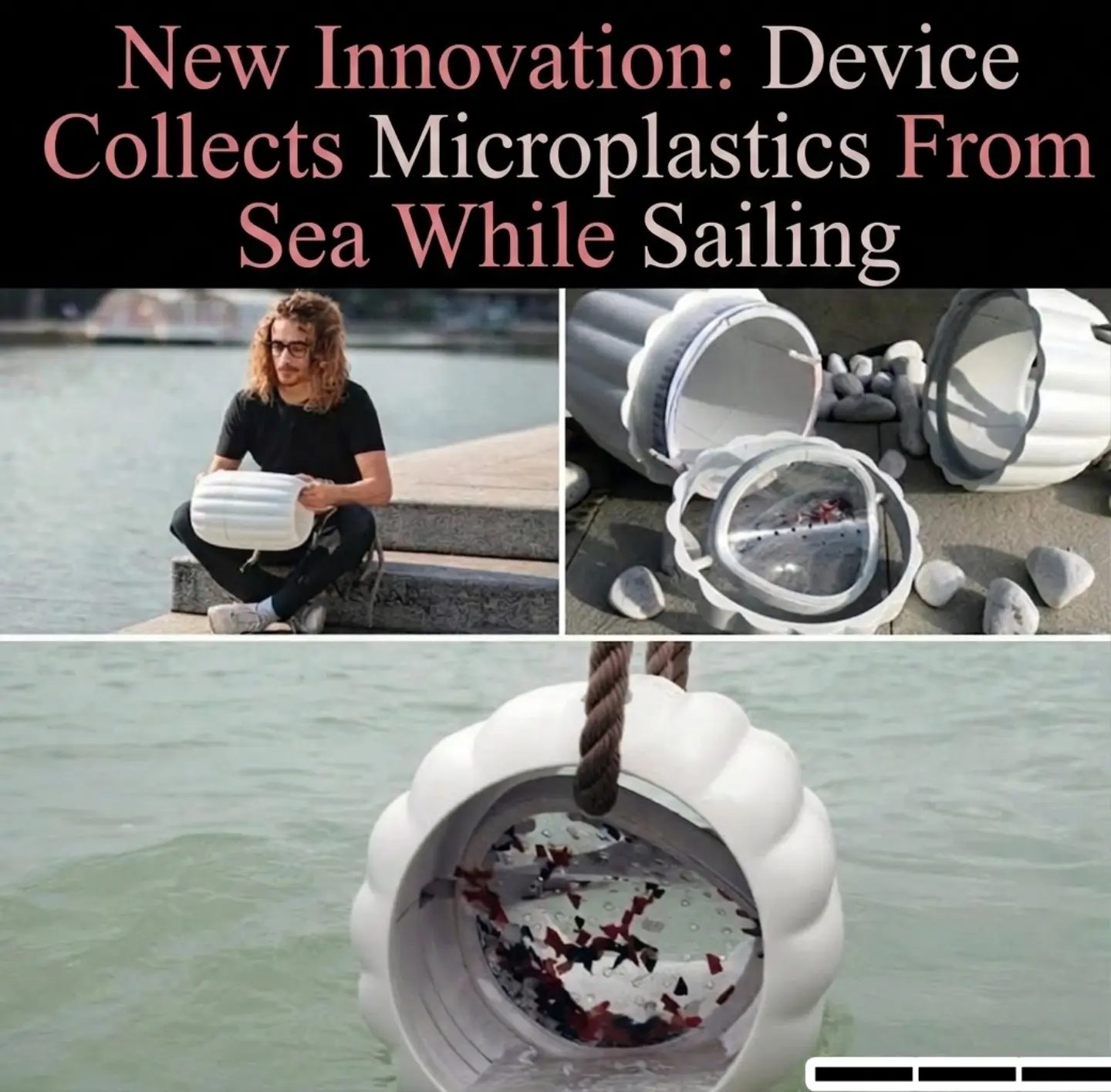
Microplastics are a significant environmental concern, polluting our oceans and posing threats to marine life. Innovations like the Manta filter, designed by Italian designer Gabriele Maria Zani, are at the forefront of efforts to combat this issue. This device, inspired by the graceful movements of manta rays, collects microplastics from the water while a sailboat is in motion. Let's explore the fascinating world of these microplastics collection devices, their significance, and how they work.
Context: The Problem of Microplastics
Understanding Microplastics
Microplastics are tiny plastic particles, typically smaller than 5 millimeters in diameter. They originate from various sources, including the breakdown of larger plastic items, microbeads used in personal care products, and synthetic fibers from clothing. These particles are ubiquitous in marine environments, posing risks to both marine life and human health.
The Environmental Impact
Microplastics accumulate in the oceans, harming marine organisms that mistake them for food. This can lead to ingestion, entanglement, and even death for these creatures. Moreover, microplastics can enter the food chain, potentially affecting human health. Thus, developing effective solutions for microplastic removal is crucial for environmental sustainability.
The Manta Filter: An Eco-Innovation in Action
Design and Functionality
The Manta filter is a revolutionary device designed to address the microplastics issue. Inspired by the efficient swimming of manta rays, the device is shaped like a white, spherical structure with a rope attachment. It's designed to be towed behind a sailboat, collecting microplastics from the water without requiring additional power sources. The device’s design allows it to move smoothly through the water, mimicking the natural flow to minimize resistance and effortlessly collect microplastics along the way.
How It Works
The Manta filter operates on a simple yet effective principle. As it moves through the water, it uses a filter system to capture microplastics. The collected particles are stored within the device, making it easy to retrieve and dispose of them safely. This innovative design means that the device can effectively clean the water as you sail, leveraging the boat’s motion to power the collection process.
Benefits
The Manta filter offers several benefits:
- Eco-Friendly Operation: The device requires no extra power, relying solely on the motion of the sailboat. This makes it an environmentally friendly solution that doesn’t contribute to further pollution.
- Ease of Use: The device is designed to be simple and easy to operate. It attaches to the sailboat with a rope and collects microplastics effortlessly as you sail.
- Effective Collection: Its spherical structure and filter system ensure that microplastics are efficiently collected, reducing the amount of plastic in the water.
Practical Tips for Using Microplastics Collection Devices
For those looking to adopt a similar device for their sailboats, here are some practical tips to ensure effective microplastic collection:
Choosing the Right Device
When selecting a microplastics collection device, consider the design and functionality. Look for devices that are:
- Efficient: Choose devices that can effectively capture microplastics without much resistance.
- Durable: Ensure the device is sturdy and can withstand the rigors of sailing.
- Environmentally Friendly: Opt for devices that do not require additional power sources, minimizing their environmental impact.
Proper Maintenance
Regular maintenance is crucial for the longevity and effectiveness of the device. This includes:
- Cleaning the Filter: Regularly clean the filter to ensure it remains efficient in capturing microplastics.
- Checking for Damage: Inspect the device for any signs of wear and tear, and repair or replace parts as necessary.
- Proper Storage: Store the device in a dry, safe place when not in use to prevent damage from environmental factors.
Safe Disposal
Properly disposing of the collected microplastics is as important as collecting them. Dispose of the microplastics in designated waste facilities to prevent them from re-entering the environment. Always follow local regulations and guidelines for waste disposal.
Important Takeaways
- Innovation and Design: Innovations like the Manta filter demonstrate the power of design in addressing environmental challenges. By mimicking natural patterns, such as the movement of manta rays, these devices can operate efficiently and effectively.
- Sustainability: Combating microplastics through devices that don't require extra power sources is a step towards sustainable environmental action. These devices leverage existing motion (like that of a sailboat) to achieve their goal.
- Collective Effort: Solutions like the Manta filter highlight the importance of collective effort. If all sailboats were equipped with such devices, the impact on microplastics in the ocean could be significant.
Conclusion
Microplastics collection devices, such as the Manta filter, represent a promising solution to the growing problem of plastic pollution in our oceans. By harnessing the motion of sailboats and using innovative design, these devices can effectively collect microplastics without additional power, making them an environmentally sound option. As we continue to develop and adopt such technologies, we move closer to a cleaner, more sustainable future for our oceans and marine life.
Questions readers ask
What are microplastics and how do they end up in the ocean?
Microplastics are tiny plastic particles, typically smaller than 5 millimeters in diameter. They originate from various sources, including the breakdown of larger plastic items, microbeads from personal care products, and synthetic fibers from clothing. These particles enter the ocean through rivers, sewage systems, and coastal littering, posing significant threats to marine life and ecosystem health.
What is the Manta Filter and how does it work?
The Manta Filter is an innovative device designed by Italian designer Gabriele Maria Zani. It is inspired by the movements of manta rays and is designed to be towed behind a sailboat. The filter collects microplastics from the ocean as the sailboat moves, helping to reduce the amount of plastic pollution in the water.
How effective is the Manta Filter in collecting microplastics?
The Manta Filter is designed to efficiently collect microplastics while sailing. Its design, modeled after the graceful movements of manta rays, allows it to effectively gather microplastics as the sailboat moves through the water. However, the specific effectiveness can vary based on factors like sailing speed and ocean conditions.
Can anyone use the Manta Filter, or is it only for specific types of sailors?
The Manta Filter is designed to be used by sailors who have a boat capable of towing the device. It is particularly useful for sailors who frequently travel through areas known for high levels of microplastic pollution, allowing them to contribute to ocean cleanup efforts while sailing.
What happens to the microplastics collected by the Manta Filter?
The microplastics collected by the Manta Filter can be removed from the device and properly disposed of or recycled. This process helps to reduce the overall amount of microplastics in the ocean, contributing to a cleaner marine environment. The collected microplastics can also be studied to better understand the types and sources of plastic pollution in the ocean.
How does the Manta Filter contribute to reducing ocean plastic pollution?
The Manta Filter helps reduce ocean plastic pollution by actively collecting microplastics during sailing trips. As it is towed behind a sailboat, it collects these tiny plastic particles from the water, preventing them from further polluting the marine environment and posing threats to marine life.
How can I get a Manta Filter for my sailboat?
The Manta Filter is available through Iquitech, the company that developed the filter. You can reach out to Iquitech for purchasing information and to learn more about the installation process and how it is operated with your sailboat.
Recent articles
Fresh deep dives from the latest Reels we unpacked.




Comments
Be the first to comment.