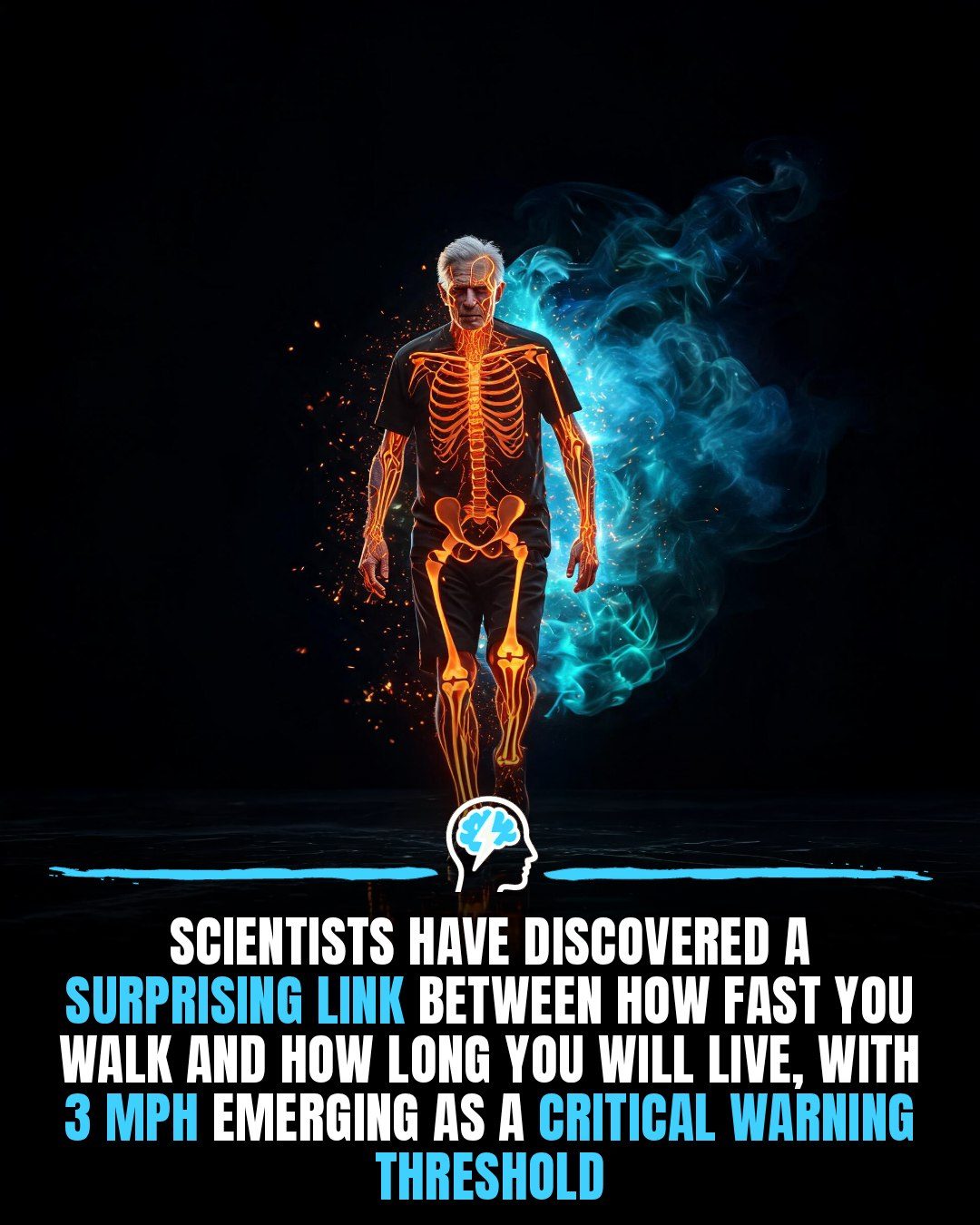
Your Walking Speed and Longevity
Measuring your walking speed can provide more insights into your future health than your blood pressure. Research has consistently shown that walking speed is a critical indicator of overall health and longevity. Specifically, a walking speed of three miles per hour (3 mph) has emerged as an important threshold for health assessments.
The relationship between walking speed and longevity is well-documented. Scientists have discovered that slower walking speeds, particularly in older adults, can indicate a higher risk for various health issues, including heart disease and other age-related ailments. Walking is a full-body activity that engages multiple systems, including the cardiovascular, nervous, and musculoskeletal systems. These systems work together to support balance, movement, strength, and stability.
The Reasons Behind the Correlation
Walking speed can reveal the health status of several key bodily systems. When walking speed drops below the critical 3 mph threshold, it often signals that one or more of these systems are not functioning optimally. This decline in speed is not merely a sign of aging but can be an early warning of frailty and other underlying health issues.
Cardiovascular System
The cardiovascular system is responsible for pumping oxygenated blood throughout the body. A slower walking speed may indicate that the heart is not efficiently circulating blood, which can lead to fatigue, shortness of breath, and an increased risk of heart disease.
Nervous System
The nervous system controls balance, coordination, and movement. A decline in walking speed can suggest impairments in the nervous system, which can affect overall mobility and increase the risk of falls and injuries. As the body ages, the nervous system's ability to handle stress and maintain balance can decline, making brisk walking essential for maintaining neurological health.
Musculoskeletal System
The musculoskeletal system provides strength and stability, and walking is a great way to assess its functionality. Walking speed can reveal issues within muscles, bones, and joints. For example, a decrease in speed can indicate muscle weakness, joint stiffness, or bone density loss, all of which contribute to a higher risk of falls and fractures.
The Evidence
Large-scale studies have tracked thousands of individuals and consistently found that slower walkers face a much higher mortality risk than those who walk briskly. These studies have shown that the lifespan gap between the slowest and fastest walkers can be as significant as 15 to 20 years, regardless of factors such as body mass index (BMI) or weight.
Practical Tips for Increasing Walking Speed
Start Slowly and Build Up
If you're new to brisk walking, start with a comfortable pace and gradually increase your speed over time. Aim to walk at a pace that slightly elevates your heart rate but still allows you to maintain a conversation. As your fitness level improves, you can challenge yourself with faster speeds and longer distances.
Incorporate Intervals
Interval training can help improve your walking speed and overall cardiovascular health. Alternate between periods of brisk walking and slower recovery walks. For example, walk at a fast pace for 30 seconds, then slow down for 60 seconds, and repeat. This approach can help build endurance and strength while keeping your workouts engaging.
Strengthen Key Muscles
Targeted exercises can help strengthen the muscles used in walking, which can improve your speed and endurance. Include exercises that target your legs, core, and back, such as squats, lunges, and planks. Incorporating these exercises into your routine can help improve your overall fitness and walking performance.
Add Resistance
Adding resistance to your walks can help build strength and endurance. Use ankle weights or walk uphill to challenge your muscles and improve your walking speed. Be sure to start with light weights and gradually increase the resistance as you build strength.
Important Takeaways
Understanding the connection between walking speed and longevity can motivate you to make meaningful changes to your daily habits. Regularly walking at a brisk pace of 3 mph or faster can significantly improve your health and reduce the risk of age-related health issues.
Regularly assess your walking speed as a simple, personal check that can point you toward a longer, more active life. This simple measurement can provide valuable insights into your overall health and help you make informed decisions about your wellness journey.
Conclusion
Your walking speed is a powerful indicator of your overall health and longevity. By maintaining a brisk walking pace, you can support your cardiovascular, nervous, and musculoskeletal systems, reducing the risk of age-related health issues and increasing your lifespan. Incorporate these tips into your daily routine and watch as your health and vitality improve.
Questions readers ask
Why is a walking speed of 3 mph considered significant for overall health and longevity?
A walking speed of 3 mph is significant because it serves as a threshold for assessing overall health and longevity. Studies have shown that individuals who walk at or above this speed tend to have better health outcomes and a lower risk of age-related ailments, while those who walk slower may face a higher risk for various health issues, including heart disease. This speed is easily accessible to most people.
How does walking speed relate to the functioning of the cardiovascular, nervous, and musculoskeletal systems?
Walking speed is a comprehensive indicator of multiple bodily systems. A faster walking speed, particularly at or above 3 mph, suggests that the cardiovascular system is efficiently pumping blood, the nervous system is coordinating movements effectively, and the musculoskeletal system is strong and functional. Conversely, a slower walking speed may indicate potential issues in one or more of these systems. It is an indicator of your overall health and wellness.
Can improving walking speed help reduce the risk of heart disease and other age-related ailments?
Yes, improving walking speed can indeed help reduce the risk of heart disease and other age-related ailments. Regular physical activity, including brisk walking, can strengthen the heart, improve blood circulation, and enhance overall cardiovascular health. Additionally, maintaining a faster walking speed can help preserve muscle mass, improve balance, and reduce the risk of falls, which are common concerns as people age. Regular exercise can amplify the effects.
What are some practical ways to improve walking speed?
To improve walking speed, consider incorporating regular walking routines into your daily activities. Start slowly and gradually increase your pace, aiming for at least 3 mph. Incorporate intervals of faster walking into your routine, and focus on proper posture and form. Strength training exercises can also help improve muscle strength and endurance, which can contribute to a faster walking speed. Regularly practicing can help you achieve better performance.
How does walking speed compare to other health indicators, such as blood pressure, in predicting future health?
Walking speed can often provide more insights into future health than traditional indicators like blood pressure. While blood pressure is a crucial metric, walking speed offers a more dynamic assessment of overall health and functional capacity. A slower walking speed, particularly below 3 mph, can indicate underlying health issues that may not be immediately apparent through other measurements. Regularly checking your walking speed can help detect potential health concerns early.
Related deep dives
Similar reads based on topic and creator.




Recent articles
Fresh deep dives from the latest Reels we unpacked.




Comments
Be the first to comment.