Reversing the Clock: Harvard's Chemical Combination
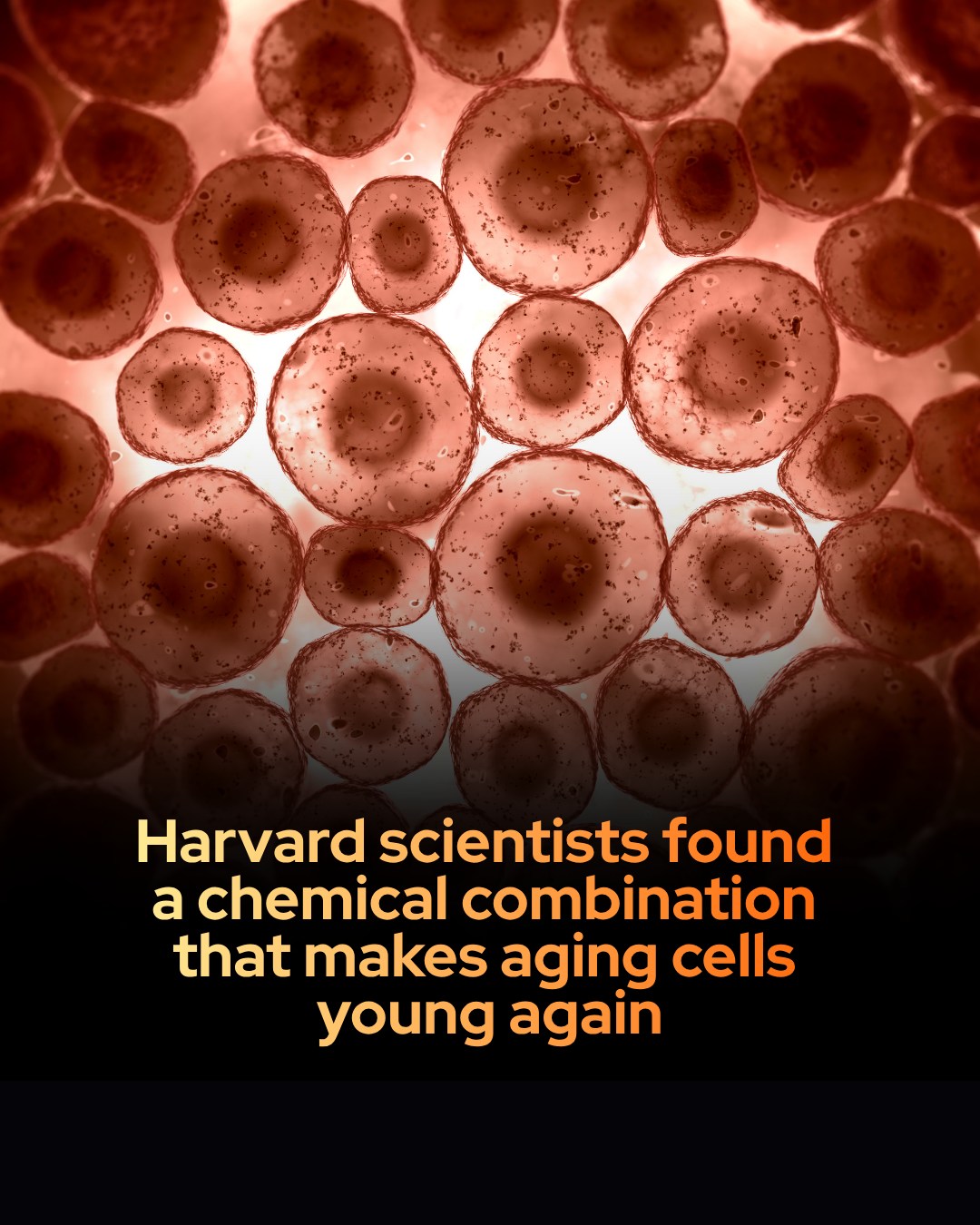
Harvard scientists have discovered a chemical combination that can rejuvenate aging cells. Researchers are not merely focusing on slowing down the aging process; their sights are set on reversing its effects. The chemical combination is designed to make aging cells young again, targeting the fundamental stressors that cause cellular decay. This breakthrough comes from a microscopic understanding of how cells age and the specific mechanisms that can be manipulated to reverse that process. The concept is that by identifying and addressing the root causes of aging at a cellular level, it may be possible to not only slow but also reverse the aging process.
Treating Aging as a Dynamic Condition
The work at Harvard is part of a broader shift in how scientists view aging. It is no longer seen as an inevitable decline but as a dynamic condition that can be influenced and manipulated. Reversing or slowing aging is about modifying the structural problems and interactions at the cellular level. This perspective opens up new avenues for research and potential treatments. For instance, researchers are looking into senescent cells, which are cells that have stopped dividing and secrete inflammatory factors that can cause tissue damage and contribute to age-related diseases. The understanding of how cells become senescent and the idea that they can be reprogrammed to a more youthful state is a radical departure from traditional views of aging.
Tackling Corruption at the Cellular Level
The Chemical Formula: An Overhaul?
Harvard’s research revolves around a specific chemical combination that targets the cellular damage caused by aging. Researchers identified that aging cells could revert to earlier states, which is unmistakably promising. This approach is radical and against the idea that aging is simply a one-way process. The solution is to break away from what is known as cellular senescence. Also, the chemical mixture has been designed to address these stressors by turning aging cells into younger, healthier ones. It functions by tackling the accumulation of damage in cells. Ultimately, it offers a pathway for more comprehensive treatments — not just managing symptoms, but addressing the root causes and potentially reversing the harm.
Targeting Aging Cells: How the Chemical Combination Works
The chemical combination targets specific markers in senescent cells, which are often associated with cellular damage and tissue deterioration in people who are at a high risk of age-related diseases. The process involves inhibiting certain pathways that cause cellular dysfunction. The research also focuses on understanding how to prevent the accumulation of toxic substances in aging cells. It uses the knowledge that accumulated cellular damage is a key factor in aging and that preventing it is essential for cell rejuvenation.
The Microscopic World of Rejuvenating Cells
The discovery reveals a microscopic view of cells, focusing on how to repair and rejuvenate them. This view shows how aging can be seen as a reversible process. For example, scientists can alter the cellular environment, reduce inflammation, and encourage cells to regenerate. The ongoing research highlights how manipulating the cellular microenvironment can help delay and even reverse the aging process.
Practical Steps for the Curious: Exploring Anti-aging Research
While the research is still in its early stages, there are a few key points for those interested in anti-aging treatments and the latest advancements in the field:
- Stay informed: The field of anti-aging research is rapidly evolving, staying connected to reputable scientific journals, and resources is critical. Harvard's work has been groundbreaking, but it is far from the only avenue being explored and everything should be taken with a pinch of salt.
- Consider lifestyle changes: While scientific breakthroughs can have transformative effects, they are complementary to other practical steps. Maintaining a healthy lifestyle, including a balanced diet, regular exercise, and stress management, would still remain pivotal.
- Participate in trials: For those who want to be directly involved in the latest research, looking into clinical trials can be an impactful way to contribute. Clinical trials bring the latest research from a laboratory to a real-world scenario and continued development.
The Future of Aging: A Path to Rejuvenation
The future of aging research is bright. One thing is clear: the idea of reversing aging is not a distant fantasy. The vision of a world where the effects of aging can be reversed will depend on ongoing research, international scientific collaboration, and the potential of new discoveries. There can be a time when aging becomes a treatable condition and the chemical combination becomes a reality in health care.
Questions readers ask
What exactly is the chemical cocktail that Harvard scientists have developed, and how does it work at a cellular level?
The chemical cocktail is a specific combination of compounds designed to target and reverse the damage caused by aging in cells. It works by inhibiting certain pathways that lead to cellular dysfunction and preventing the accumulation of toxic substances, effectively reprogramming aging cells to behave like younger ones. The exact composition of the cocktail isn't detailed in the article, but it's clear that it focuses on addressing the root causes of cellular decay.
How does this research differ from previous anti-aging studies that focused on slowing down the aging process?
Previous studies often aimed to slow aging by managing symptoms or addressing surface-level issues. Harvard's research, however, takes a more radical approach by targeting the fundamental mechanisms of cellular aging. The goal is not just to slow down aging but to reverse its effects by reprogramming aging cells to a younger state, offering a more comprehensive solution.
Can this chemical combination be used to treat specific age-related diseases, or is it more of a general anti-aging solution?
While the article doesn't specify particular diseases, the research suggests that by rejuvenating aging cells, the chemical combination could potentially treat a range of age-related conditions. Senescent cells, which are targeted by this approach, contribute to various diseases through their inflammatory factors, making this a promising avenue for broader health benefits.
Is this research available for public use or is it still in the experimental stages?
The article indicates that the research is still in the experimental stages. It's focused on understanding the mechanisms at a cellular level and developing effective treatments. While the findings are promising, it's likely that more testing and development are needed before any practical applications become available to the public.
What are senescent cells, and why are they a key focus in this research?
Senescent cells are cells that have stopped dividing and secrete inflammatory factors that can cause tissue damage and contribute to age-related diseases. They are a key focus because they play a significant role in the aging process. By understanding how to reprogram these cells to a more youthful state, researchers hope to address the root causes of aging and related diseases.
How does Harvard's approach to aging differ from traditional views?
Traditional views often see aging as an inevitable, one-way process. Harvard's approach, however, treats aging as a dynamic condition that can be influenced and manipulated. This perspective allows for new avenues of research, focusing on reversing or slowing aging by modifying structural problems and interactions at the cellular level.
What are the next steps for this research, and what challenges might the scientists face?
The next steps likely involve further testing and development to ensure the safety and efficacy of the chemical combination. Challenges may include refining the chemical formula, understanding potential side effects, and navigating regulatory processes to bring any treatments to market. The research is still in its early stages, so there's a lot of ground to cover before practical applications become available.
Related deep dives
Similar reads based on topic and creator.

Recent articles
Fresh deep dives from the latest Reels we unpacked.




Comments
Be the first to comment.