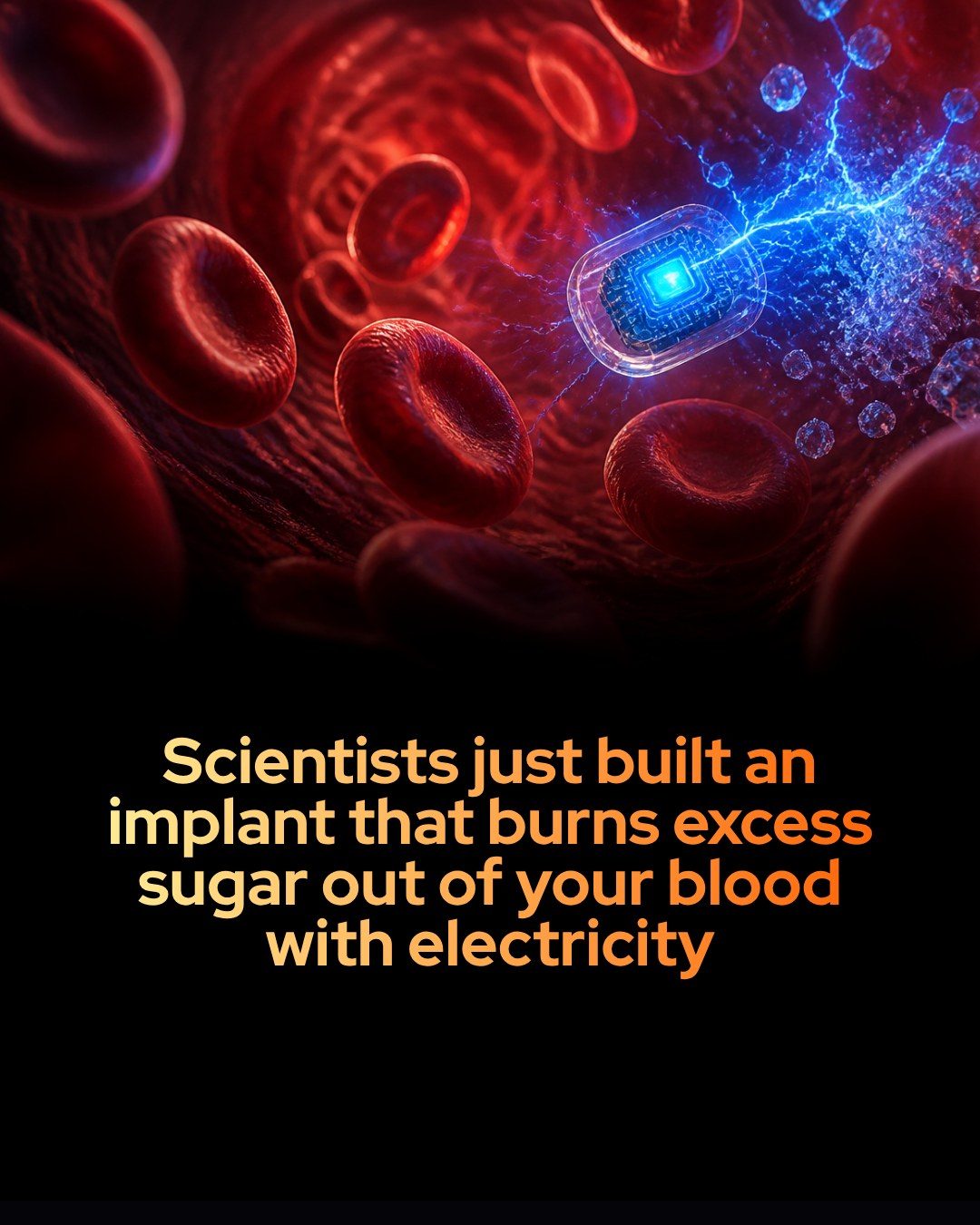
The Electric Solution to Excess Sugar
In a world where metabolic disorders are on the rise, distant from the sugar-saturated beverages doing the rounds at child parties, medical breakthroughs could provide relief. Researchers are developing futuristic solutions that could potentially keep blood sugar in check. The focus now is on a promising medical implant. Like a parasite that consumes what you don't want, scientists have created a device capable of burning excess sugar from the bloodstream. This is a concept that involves significant hurdles. But the advancement could be revolutionary, especially for those with type 2 diabetes and obesity. The device becomes a tiny power plant in our bodies, burning sugar through electrical energy. If successful, the treatment of diabetes could become less about medication and more about integration with the body.
The Mechanism
The implant is designed to derive electrical energy from the body's natural processes. However, the specifics of how it generates power or maintains a safe charge remain unclear. We do know the implant stimulates an electrical reaction that burns glucose. It is worth considering that this process may still be years away from human trials; safety and long-term effects still require rigorous testing. The electrical properties of the implant could also mean that it requires regular maintenance or recharge. This may require another complex device and routines to communicate with the body: a dedicated power source, monitoring system, or even a team of staff to keep the implant running efficiently.
The Future of Medical Implants
The promise of the implant is not confined to regulating glucose levels. The technology could be adapted for other metabolic conditions. The possibility of powering other functions within the body is being explored. By "fueling" the body with excess glucose, we could expand the implant’s capability. Glucose is a potential source of unlimited energy because it exists everywhere in our bodies. But current medical devices still sought a way to efficiently convert that glucose into usable energy. And even if the implant does as advertised, it will still be far from simple safer alternatives. The potential drawbacks are vast. The challenges in manufacturing, energy efficiency, and long-term human testing will need to be addressed.
A Look Ahead
But the potential is undeniable. Modern medicine has come a long way from oral pills and insulin injections. A successful implant that keeps sugar levels in check would be a game changing step forward. The metabolic disorders that plague millions could be managed with minimal inconvenience. There would be no more insulin injections, diet routines, and fasting. The implant would continuously and silently perform the function that was previously a complex routine.
Related deep dives
Similar reads based on topic and creator.



Recent articles
Fresh deep dives from the latest Reels we unpacked.




Comments
Be the first to comment.