The Unique Design of Aquarium Pools for Tuna
Aquariums are marvels of engineering, designed to mimic natural habitats while providing a stunning visual experience for visitors. One standout feature of some aquariums is the circular pool design, particularly for housing tuna. This unique setup serves a crucial purpose in supporting the physiological needs of these remarkable fish.
Why Circular Pools Matter for Tuna
Tuna are unlike most other fish species; they must keep moving to breathe. While many fish can draw water over their gills while staying still, tuna have reduced gill cover muscles. This reduces their ability to pump water through their gills efficiently. Forward motion is essential for tuna to force water through their gills and extract the oxygen they need. If tuna stop swimming for too long, they risk suffocation. This is why tuna even keep swimming while they sleep.
The Design and Benefits of Circular Pools
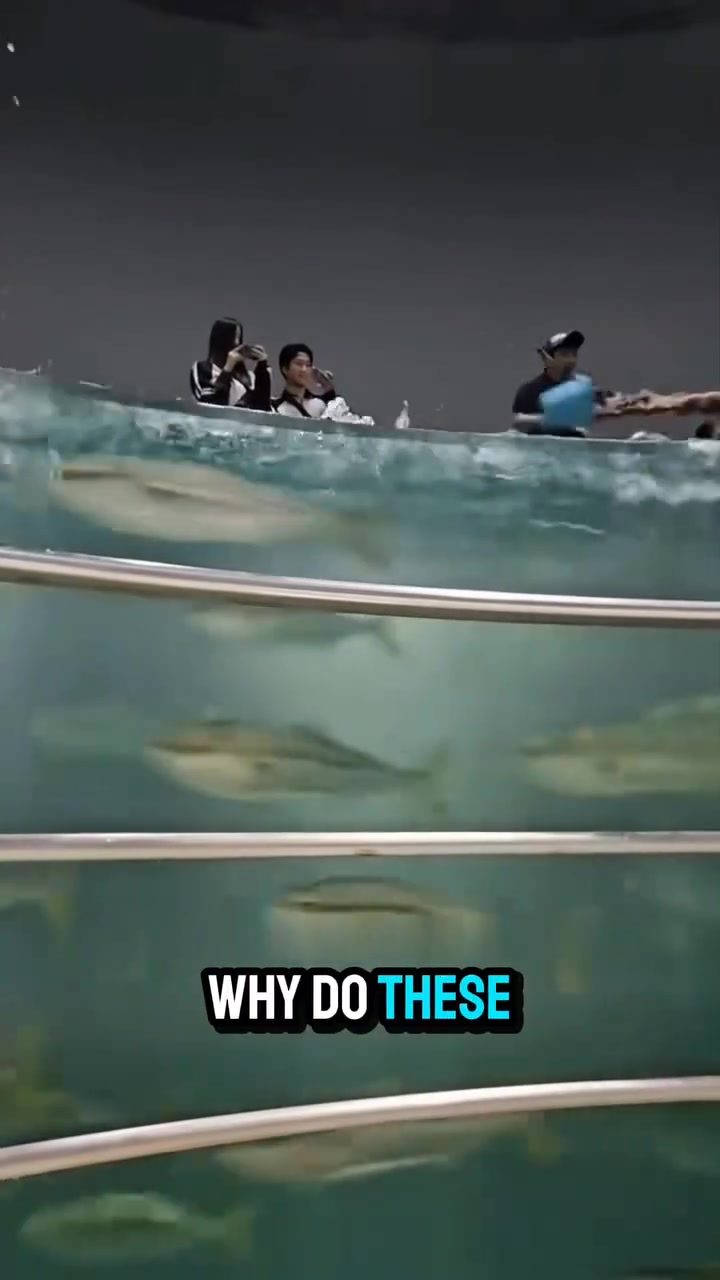
Circular pools are specially designed to accommodate the continuous swimming needs of tuna. These pools eliminate corners, which could disrupt the fish's constant motion and potentially cause injury. The circular shape ensures that tuna can swim continuously without interruption, mimicking their natural environment in the open sea. The design also includes a viewing platform in the center, offering visitors an unobstructed, close-up view of these magnificent creatures.
Observation and Viewing Experience
The circular design not only benefits the tuna but also enhances the viewing experience for aquarium visitors. The central viewing platform allows people to observe the tuna from all angles, providing a unique and immersive experience. This setup is particularly effective during feeding time, when the tuna's swift and coordinated movements are on full display. The moment food hits the water, the tuna accelerate at full speed, creating a spectacular sight as they swiftly consume their meal.
Feeding Time: A Spectacle to Behold
Feeding time in a circular tuna pool is a thrilling event for visitors. The moment food is introduced into the water, the tuna react instantaneously, accelerating at full speed to secure their meal. This instantaneous response is a testament to their powerful swimming abilities and the efficiency of the circular pool design, which allows them to maintain their continuous motion.
Visitor Experience and Educational Value
The circular pool design not only supports the physiological needs of the tuna but also enhances the educational and entertainment value for visitors. By observing the tuna's behavior, visitors gain a deeper appreciation for these fascinating fish and the challenges they face in their natural habitats. The design also allows for a more immersive and interactive experience, making the visit more memorable.
Practical Tips for Observing Tuna in Aquariums
To make the most of your visit to an aquarium with a circular tuna pool, consider the following tips:
- Timing Your Visit: Plan your visit to coincide with feeding times. This will give you the best opportunity to witness the tuna's incredible speed and agility.
- Positioning: Use the central viewing platform to get a 360-degree view of the tuna. This allows you to observe their movement from all angles and appreciate the design of the pool.
- Understand Their Behavior: Familiarize yourself with the unique physiology of tuna. Knowing that they must keep moving to breathe will enhance your appreciation for their continuous swimming and the ingenious design of the pool.
Important Takeaways
Circular pools in aquariums are a testament to thoughtful design and a deep understanding of marine life. They provide a habitat that supports the unique physiological needs of tuna while offering visitors an unparalleled viewing experience. From the continuous motion required for tuna to breathe to the central viewing platform that offers a comprehensive view, every aspect of the design serves a purpose.
Conclusion
The circular pool design in aquariums is a marvel of engineering that supports the health and well-being of tuna while enhancing the visitor experience. By understanding the unique needs of these fish and the thoughtful design of their habitats, we can appreciate the importance of such innovative solutions in modern aquariums.
Questions readers ask
Why are circular tuna pools designed to be obstacle-free?
Circular tuna pools are designed without obstacles to accommodate the continuous swimming behavior of tuna. Obstacles could disrupt their constant motion, which is essential for their breathing process. This design ensures that tuna can swim freely, maintaining the water flow they need to extract oxygen through their gills.
How does the circular design of tuna pools support their unique breathing needs?
The circular design of tuna pools encourages the constant forward motion that tuna require to breathe. This continuous movement forces water through their gills, enabling them to extract the oxygen they need, unlike many other fish species that can pump water through their gills while stationary.
What are the benefits of circular pool design for aquarium visitors?
The circular design of tuna pools not only supports the tuna's physiological needs but also enhances the viewer's experience. This design allows visitors to observe the tuna's natural swimming behavior from various angles, providing a more engaging and informative visit.
Why do tuna need to keep swimming to breathe?
Tuna have reduced gill cover muscles, which limits their ability to pump water through their gills efficiently. Therefore, they rely on constant forward motion to force water through their gills and extract the oxygen they need to survive.
What challenges do tuna face in aquarium environments that require circular pools?
In aquarium environments, tuna face the challenge of maintaining constant motion to breathe. Traditional pool designs with obstacles or sharp turns can disrupt this motion, making it difficult for tuna to meet their physiological needs. Circular pools are designed to address this challenge by providing an obstacle-free environment for continuous swimming.
How do aquariums ensure that tuna receive adequate food in circular pools?
Aquariums typically use specialized feeding systems to ensure that tuna receive adequate food in circular pools. These systems often involve automated feeders or manual feeding methods that distribute food evenly throughout the pool, accommodating the tuna's constant swimming motion. This approach ensures that the fish can access food while maintaining their necessary forward movement.
What makes the circular pool design a superior choice for housing tuna in aquariums?
The circular pool design is a superior choice for housing tuna because it caters to their unique physiological needs and enhances their well-being. By eliminating obstacles and encouraging continuous swimming, these pools support the tuna's breathing process and provide a more engaging viewing experience for visitors.
Related deep dives
Similar reads based on topic and creator.
Recent articles
Fresh deep dives from the latest Reels we unpacked.




Comments
Be the first to comment.