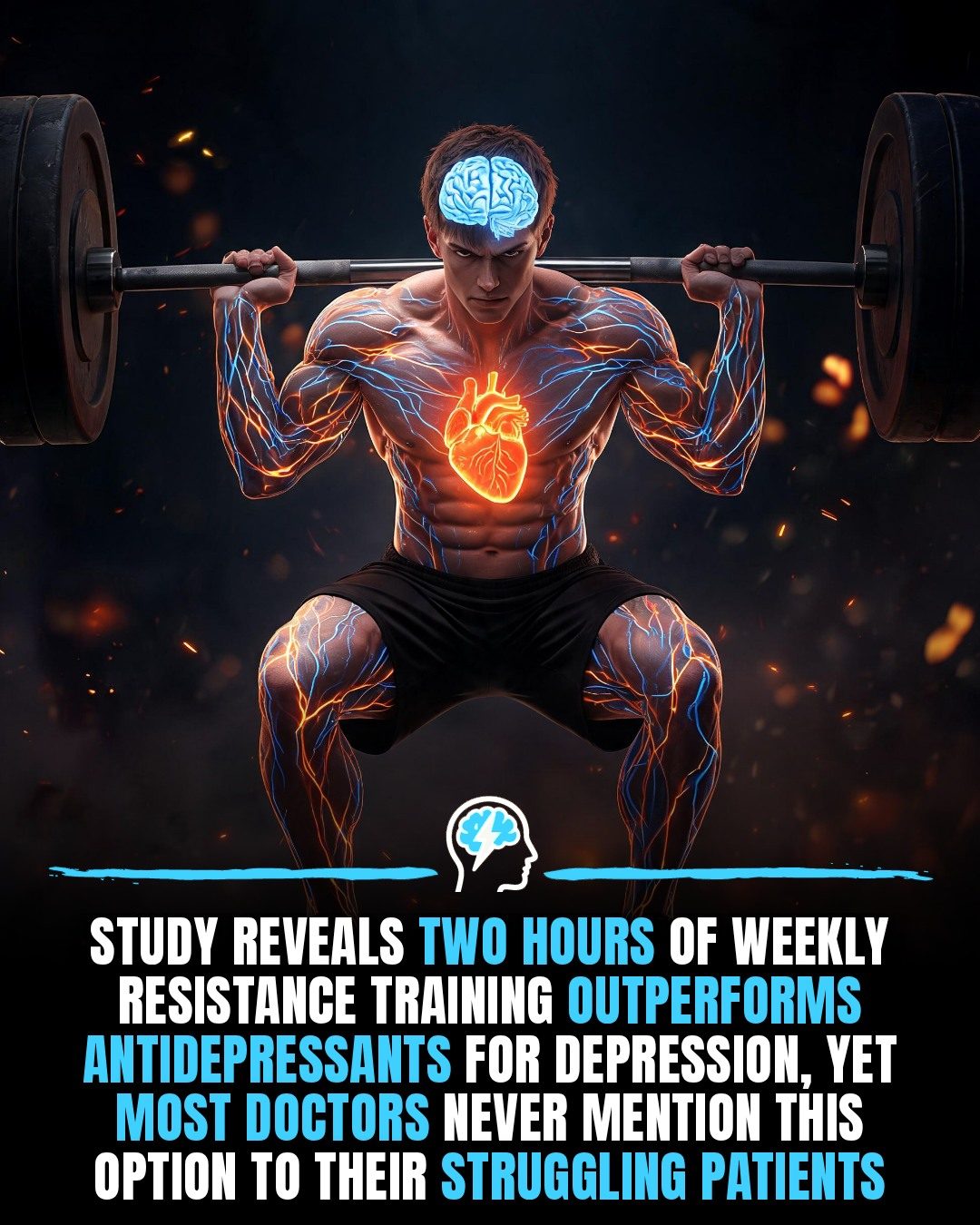
Resistance Training and Depression: A Powerful Tool for Mental Health
Resistance training, a form of strength training, is often associated with physical fitness. However, its benefits extend far beyond muscle growth. Recent studies reveal that it can be a potent tool for managing depression, potentially outperforming traditional antidepressants.
Context / Why This Matters
Mental health is a critical aspect of overall well-being, and depression is one of the most common mental health disorders. According to research, resistance training can provide significant benefits, both physically and mentally. The potential for resistance training to alleviate depressive symptoms is a compelling reason to explore this alternative treatment method.
The Science Behind Resistance Training and Depression
The relationship between physical activity and mental health is well-documented, but the specific mechanisms by which resistance training impacts depression are particularly fascinating. Studies involving nearly 100,000 participants show that exercise interventions, particularly resistance training, are about 1.5 times more effective than leading antidepressants in reducing depressive symptoms.
Key Benefits of Resistance Training
There are several mechanisms through which resistance training can alleviate depressive symptoms:
-
Neurogenesis and Neural Connectivity: Resistance training stimulates the production of proteins that promote the growth of new neurons and strengthen existing brain connections. This process, known as neurogenesis, is crucial for cognitive function and emotional regulation.
-
Reduced Inflammation: Chronic inflammation is linked to various health issues, including depression. Resistance training helps lower systemic inflammation, which in turn reduces the risk of depressive disorders.
Cognitive and Physical Improvements
Beyond the reduction in depressive symptoms, resistance training offers a range of cognitive and physical benefits:
-
Cognitive Function: Regular resistance training enhances mental clarity and overall cognitive function. This is due to the increased blood flow and oxygen supply to the brain.
-
Sleep and Energy: Resistance training improves sleep quality, which is essential for mental health. Better sleep leads to increased energy levels, reducing fatigue and providing a boost in overall well-being.
-
Confidence and Self-Esteem: Achieving real strength gains through resistance training can boost self-confidence and self-esteem, which are vital for emotional resilience.
Practical Tips for Incorporating Resistance Training into Your Routine
Resistance training is not limited to weightlifting; it can include a variety of exercises like bodyweight movements, resistance bands, and weight machines. Here are some tips for integrating resistance training into your weekly routine:
Start Small
Begin with basic exercises that target major muscle groups, such as squats, lunges, push-ups, and pull-ups. These exercises can be done with or without weights, depending on your fitness level. Aim for at least two sessions per week, ensuring that each session includes a variety of exercises.
Focus on Progression
As your strength improves, gradually increase the intensity of your workouts. This can be done by adding more weight, increasing the number of repetitions, or reducing rest time between sets. Progression is key to continued improvement and to keeping your body adapted to the demands of the exercises.
Prioritize Compound Movements
Compound movements involve multiple muscle groups and joints, making them highly efficient for building overall strength. Examples include deadlifts, bench presses, and overhead presses. Incorporate these exercises into your routine to maximize the benefits of resistance training.
Important Takeaways
When it comes to managing depression, resistance training offers a non-pharmacological approach that can complement or even replace traditional treatments. It's a powerful tool that goes beyond physical fitness, impacting mental health through multiple pathways.
Potential Limitations
While the benefits of resistance training are compelling, it's important to recognize that it may not be suitable for everyone. Consulting with a healthcare provider or a certified fitness professional is essential, especially if you have underlying health conditions or are currently undergoing treatment for depression.
Conclusion
Resistance training is a versatile and effective method for enhancing both physical and mental health. For those struggling with depression, it offers a promising alternative to traditional treatments. By incorporating resistance training into your routine, you can reap the benefits of improved cognitive function, reduced inflammatory markers, and enhanced overall well-being. So why not give it a try and see the transformative effects for yourself?
Questions readers ask
What types of resistance training are most effective for managing depression?
Most types of resistance training can help manage depression, including weightlifting, bodyweight exercises, and resistance band workouts. These activities can provide similar benefits to treating depression. The key is to find a routine that you enjoy and can stick to consistently.
How often should I engage in resistance training for mental health benefits?
Aim for at least two to three sessions per week, with at least one day of rest in between. This frequency allows for adequate muscle recovery while maintaining the mental health benefits associated with resistance training. Consistency is key, so find a schedule that works best for you.
Can resistance training completely replace antidepressants for treating depression?
Resistance training can be a highly effective complement to traditional antidepressants. However, it's essential to consult with a healthcare provider before making any changes to your treatment plan. Some individuals may find that resistance training alone can help manage depressive symptoms, but this varies from person to person.
What are some of the brain benefits of weightlifting?
Weightlifting can increase the production of endorphins, which are natural mood elevators. It also promotes neurogenesis, the growth of new brain cells, and reduces inflammation in the brain, all of which contribute to improved mental health and reduced depressive symptoms.
Why might exercise outperform antidepressants in reducing depressive symptoms?
Exercise, including resistance training, works on multiple fronts to reduce depressive symptoms. It increases blood flow to the brain, promotes the release of mood-enhancing chemicals, and reduces inflammation. Additionally, exercise can provide a sense of accomplishment, boost self-esteem, and reduce feelings of isolation.
Should I consult a doctor before starting a resistance training program for depression?
Yes, it's crucial to consult with a healthcare professional before beginning any new exercise program, especially if you have any underlying health conditions or are currently taking medication. A doctor can provide personalized advice and ensure that resistance training is a safe and suitable option for you.
What are some recommended exercises for beginners looking to lift weights for mental health?
For beginners, starting with compound movements that target multiple muscle groups is ideal. Examples include squats, lunges, push-ups, and dumbbell rows. These exercises provide a full-body workout and can be easily modified to suit different fitness levels. Begin with lighter weights and focus on proper form to reduce the risk of injury.
Related deep dives
Similar reads based on topic and creator.



Recent articles
Fresh deep dives from the latest Reels we unpacked.




Comments
Be the first to comment.