Salps: Mysterious Marine Animals of the Open Ocean
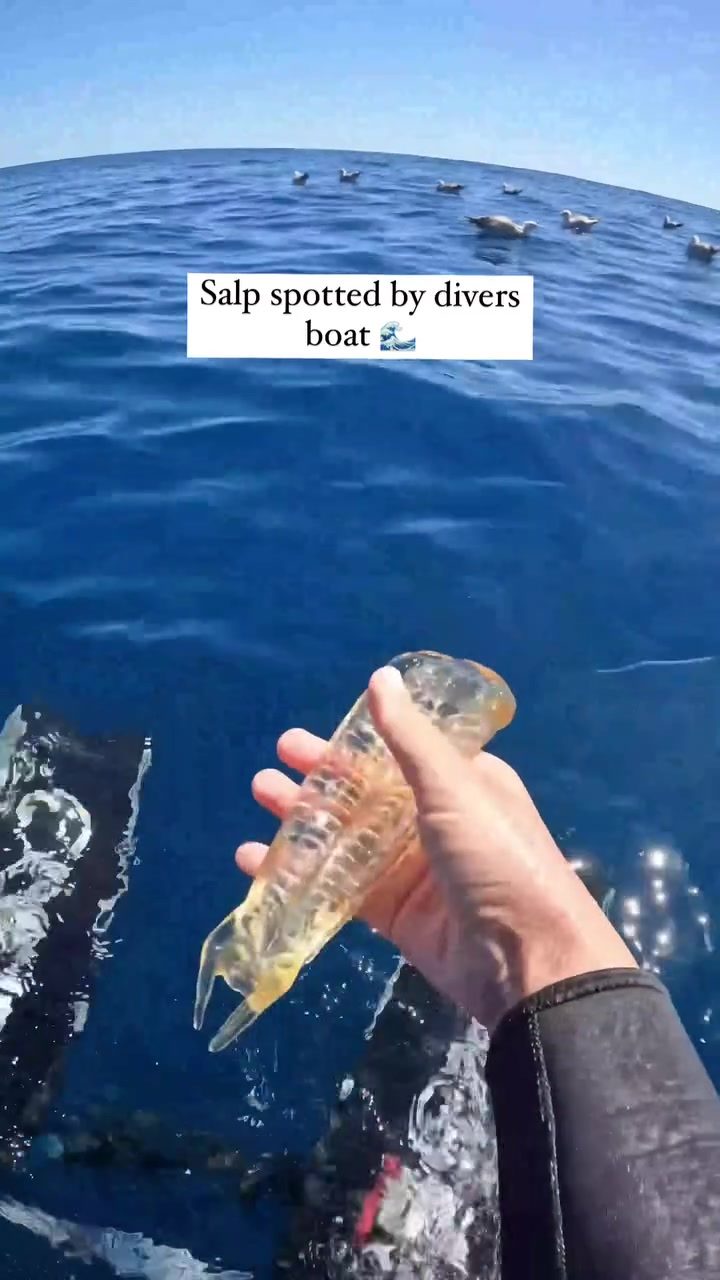
Salps are fascinating marine creatures that often go unnoticed yet play a crucial role in the ocean's ecosystem. These transparent, free-floating organisms are often mistaken for jellyfish, but they belong to a distinct group of planktonic tunicates known as thaliaceans. Drifting in the open ocean, salps are an essential part of the marine food web and have unique biological characteristics that set them apart from other sea creatures.
Why Salps Matter
Salps are more than just intriguing deep-sea mysteries. They serve as a vital link in the marine food chain, consuming vast amounts of phytoplankton and, in turn, providing food for a variety of marine animals. Their role in nutrient cycling and carbon sequestration makes them an essential component of healthy ocean ecosystems. Understanding these creatures offers valuable insights into marine biology and the delicate balance of ocean life.
The Anatomy and Biology of Salps
Salps are characterized by their barrel-shaped bodies and transparent, gelatinous structure. Unlike jellyfish, salps have a more complex internal structure, including a notochord and a neural gland. They typically range from a few millimeters to several centimeters in length, depending on the species and their stage of development.
Life Cycle and Reproduction
Salps have a unique life cycle that alternates between solitary and colonial phases. In the solitary phase, an individual salp reproduces asexually, producing a chain of clones known as a colony. Each clone in the chain is capable of reproducing sexually, leading to the formation of new solitary individuals. This life cycle allows salps to quickly adapt to changing environmental conditions and maintain their populations in the open ocean.
Feeding Habits
Salps are filter feeders, using a mucus net to capture phytoplankton and other small particles from the water. Their efficient feeding mechanism enables them to consume large quantities of microscopic organisms, making them a critical link in the marine food web. By filtering vast amounts of water, salps help regulate the distribution of nutrients and contribute to the overall health of the ocean.
Movement and Distribution
Salps are passive drifters, relying on ocean currents to move through the water. However, they can also control their buoyancy to some extent, allowing them to move vertically within the water column. This ability helps them to avoid predators and find optimal feeding conditions. Salps are commonly found in temperate and tropical waters, often in large aggregations known as blooms.
Practical Tips for Observing Salps
Observing salps in their natural habitat can be a challenging but rewarding experience. Here are some practical tips to help you spot these elusive creatures:
Choosing the Right Time and Location
Salps are more likely to be seen in areas with strong upwelling currents, which bring nutrient-rich water to the surface. These conditions support large blooms of phytoplankton, which in turn attract salps. Look for areas with clear, calm waters and minimal pollution, as these conditions are more conducive to spotting salps.
Using the Right Equipment
To observe salps, you'll need the right gear. A snorkel or scuba diving equipment can help you get close to the water's surface, where salps are typically found. A fine-mesh net can also be useful for capturing small specimens for closer examination. Additionally, a waterproof camera or underwater microscope can help you document your findings.
Conduction a Salp Study
If you're conducting a study or simply want to learn more about salps, consider joining a marine biology research group or contacting local oceanographic institutions. These organizations often have the resources and expertise to help you conduct a thorough study. Collaborating with experienced researchers can also provide valuable insights and enhance your understanding of these fascinating creatures.
Identifying Salps
Identifying salps can be challenging due to their transparency and small size. Look for their characteristic barrel-shaped bodies and the presence of a chain of clones in the colonial phase. Observing their movement and feeding behavior can also help in identifying these creatures. Use a magnifying glass or underwater microscope to get a closer look at their internal structure.
Important Takeaways
Salps are more than just intriguing marine animals; they play a critical role in the health of the ocean. Their unique biology, feeding habits, and life cycle make them a fascinating subject of study. By understanding these creatures, we can gain valuable insights into the complex web of life in the open ocean.
Conclusion
Salps are a testament to the diversity and complexity of marine life. Their transparent, gelatinous bodies and unique life cycle make them a fascinating subject of study. Whether you're a marine biology enthusiast or simply curious about the mysteries of the ocean, exploring the world of salps offers a wealth of knowledge and appreciation for these remarkable creatures.
Questions readers ask
What are salps and how do they differ from jellyfish?
Salps are free-floating, barrel-shaped marine organisms that are often transparent. Unlike jellyfish, salps are part of a group of sea creatures known as thaliaceans, which are planktonic tunicates. They have unique biological features and play a distinct role in the ocean ecosystem.
What do salps eat and why is this important?
Salps primarily consume large quantities of phytoplankton. Their appetite for phytoplankton makes them crucial for controlling phytoplankton populations, nutrient cycling, and carbon sequestration in the ocean.
How do salps contribute to the marine ecosystem?
Salps are a vital link in the marine food web. They provide food for a variety of marine animals and also help in nutrient cycling and carbon sequestration. This makes them an important part of the ocean's ecosystem.
Why are salps often discovered by divers in the open ocean?
Salps are free-floating and often found in open ocean waters, which makes them a common sight for divers. Their transparent nature allows them to blend in with the surrounding water, making them easy to miss unless you're specifically looking for them.
Can salps be found in coastal areas, or are they exclusively in the open ocean?
While salps are more commonly found in the open ocean, they can occasionally be spotted in coastal areas as well. Their distribution can vary depending on factors such as ocean currents and the availability of phytoplankton, their primary food source.
What should divers expect when encountering a salp colony?
When divers encounter a salp colony, they should expect to see a group of transparent, barrel-shaped organisms floating freely in the water. They may also notice the salps pulsating as they move, which is a result of their unique method of propulsion. It's important to observe them carefully, as they can be delicate and easily disturbed.
How do salps move and what do they look like when in motion?
Salps use a jet propulsion method to move through the water. They contract and expand their gelatinous bodies to create a pulsating motion, which allows them to move efficiently through the ocean. When in motion, salps can resemble a floating, transparent barrel, making them a unique sight for divers.
Recent articles
Fresh deep dives from the latest Reels we unpacked.




Comments
Be the first to comment.