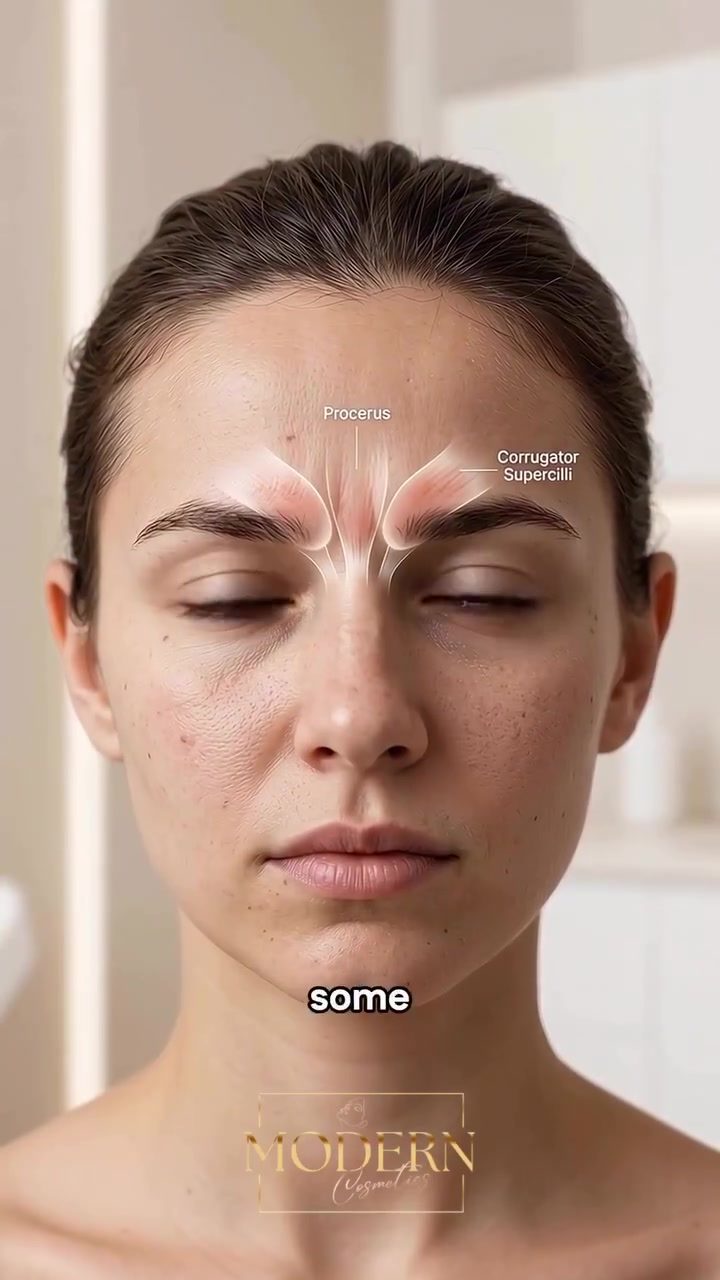
Learn About Frown Lines: The Role of Corrugator and Procerus Muscles
Frown lines, or "11s," form between the eyebrows due to the repeated actions of the corrugator supercilii and procerus…
Tag
Deep-dive articles with this tag.
Frown lines, or "11s," form between the eyebrows due to the repeated actions of the corrugator supercilii and procerus…
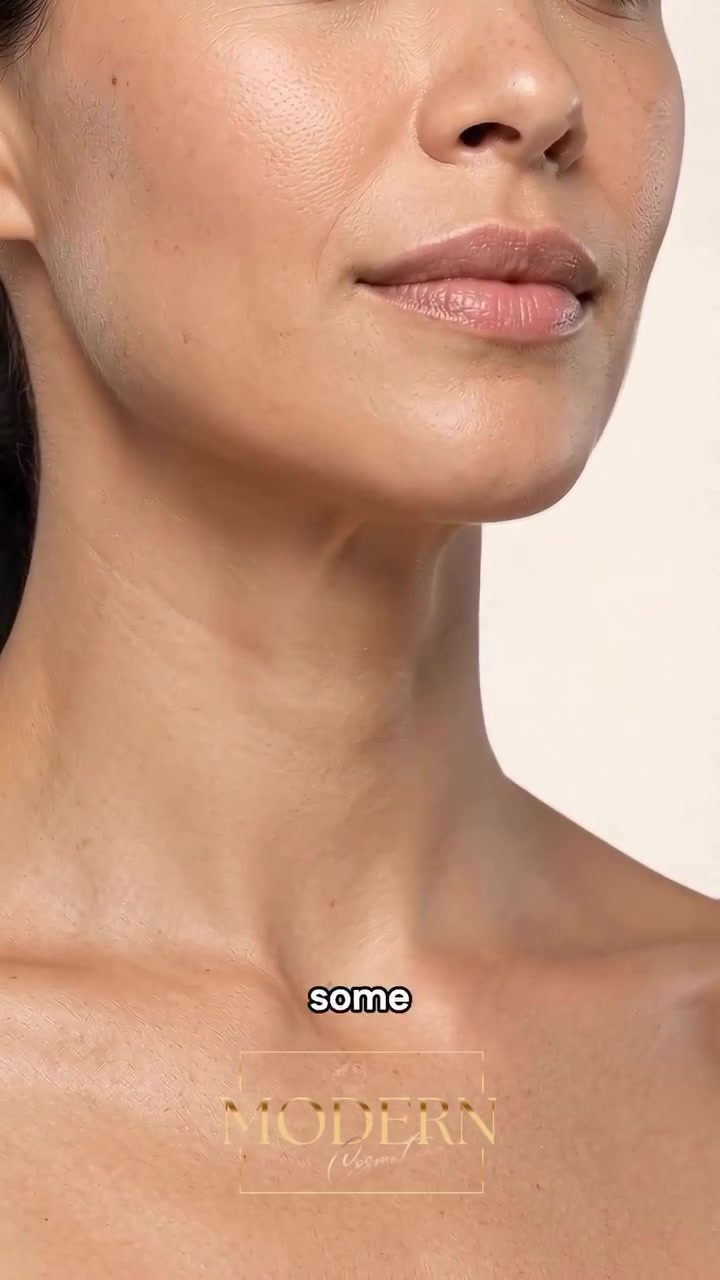
The platysma muscle, spanning from the chest to the face, influences facial expressions and neck movement, and its chan…
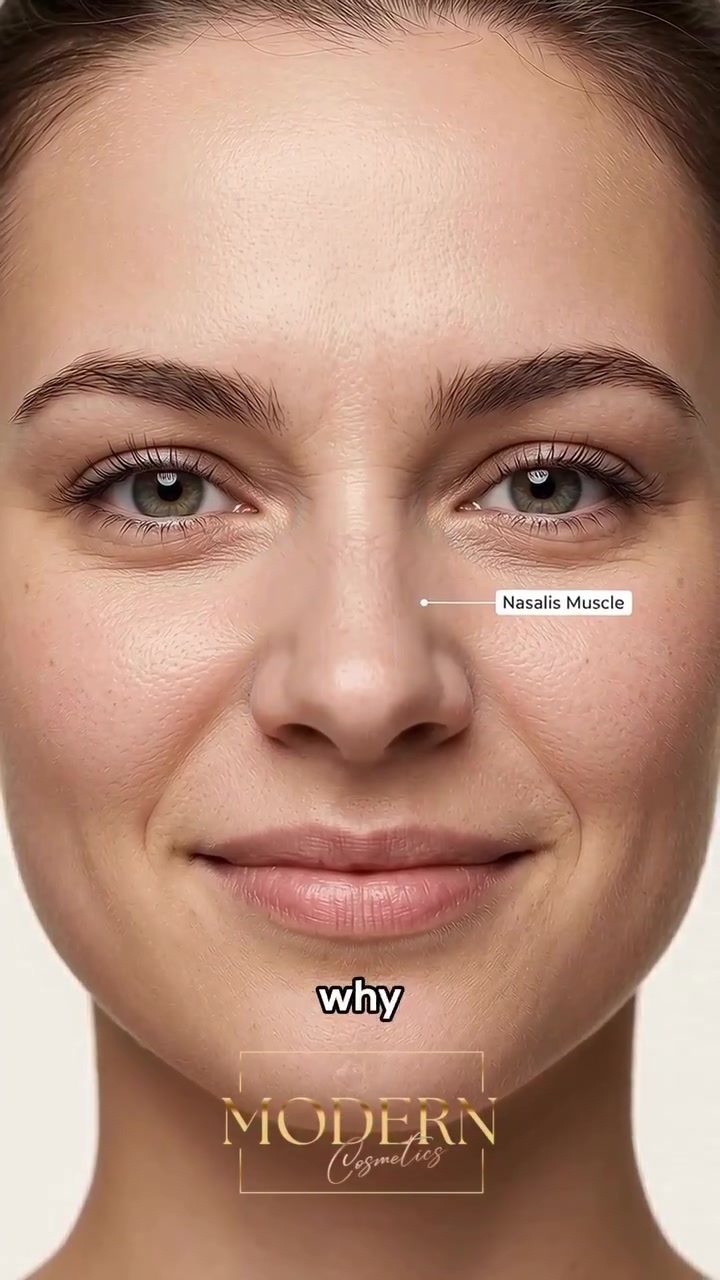
Bunny lines, or small wrinkles on the sides of the nose, are caused by the repeated contractions of the nasalis muscle…
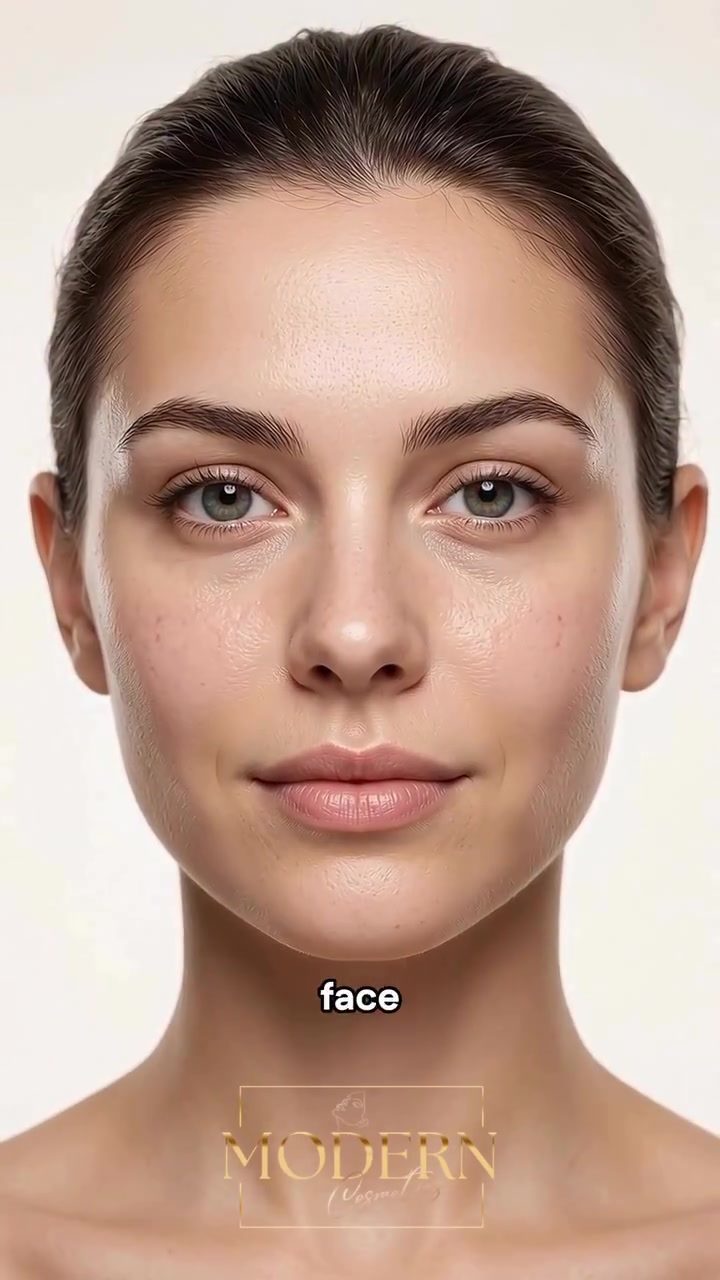
Facial fat pads are key to a youthful appearance, providing structure and support to the face. As these pads lose volum…
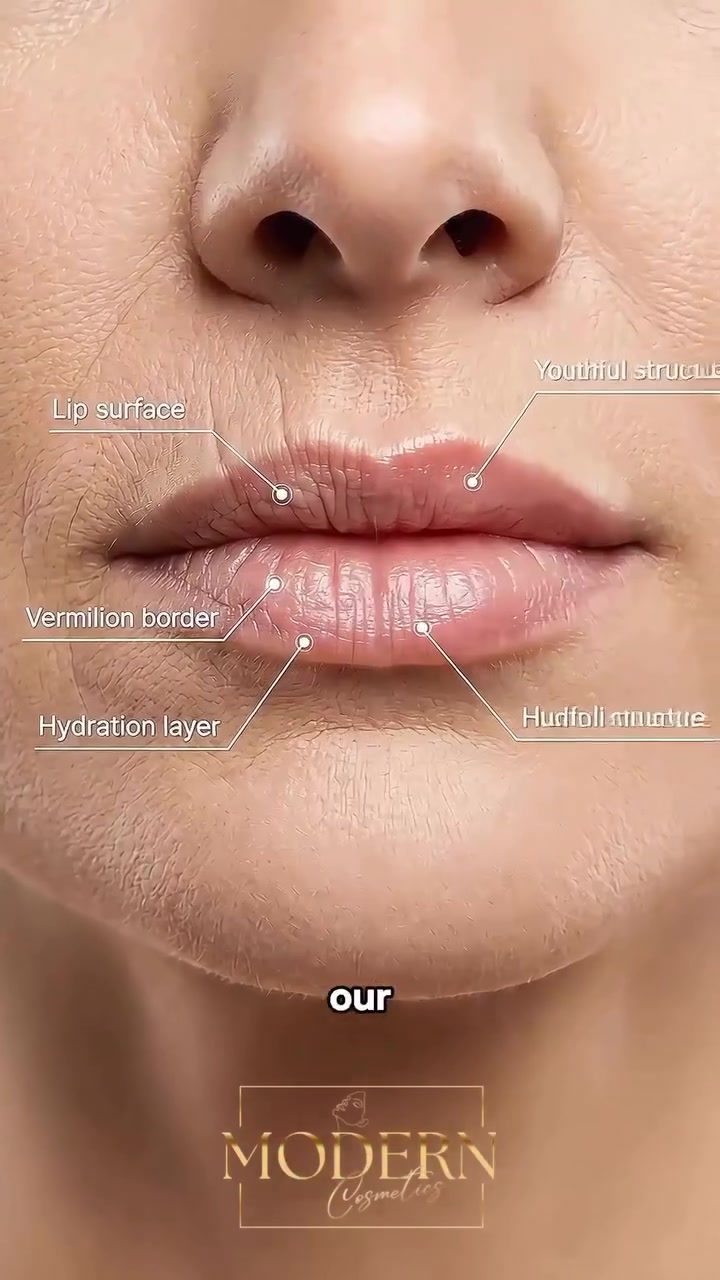
Lip changes with age are influenced by a complex interplay of collagen, hydration, and supporting facial structures. Un…
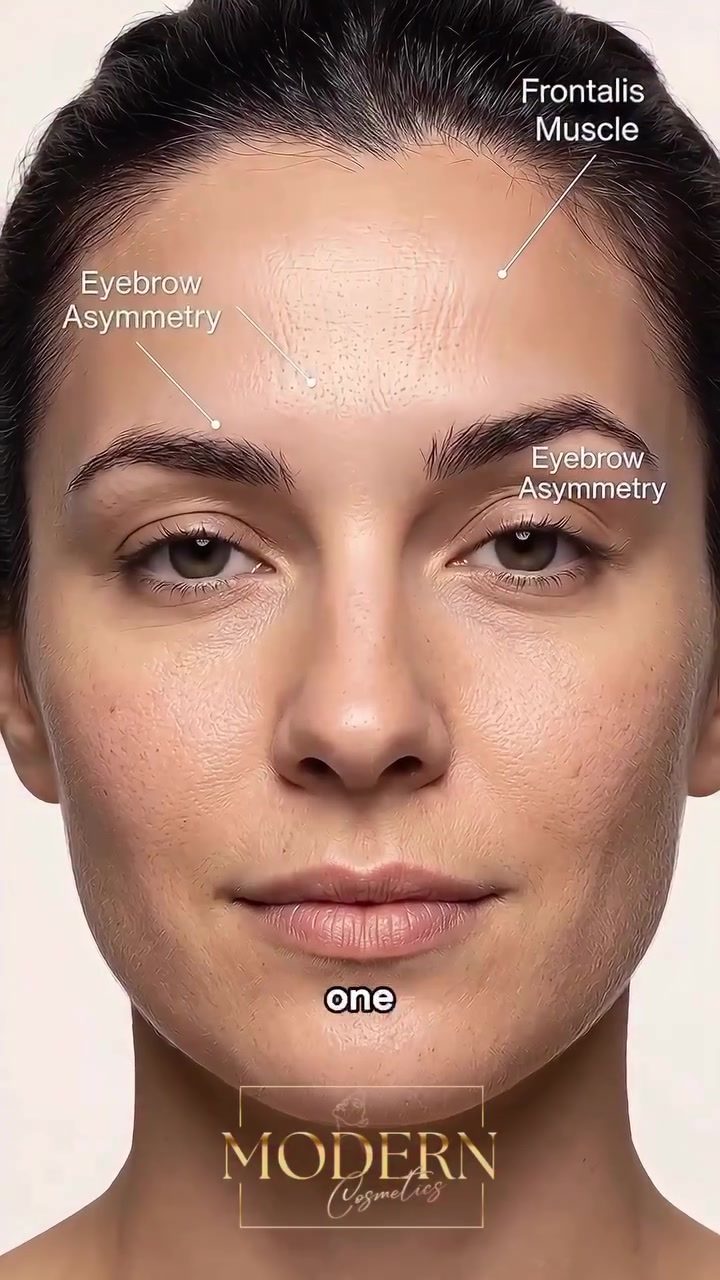
Eyebrow asymmetry is a common and usually harmless variation in facial anatomy, primarily caused by the frontalis muscl…
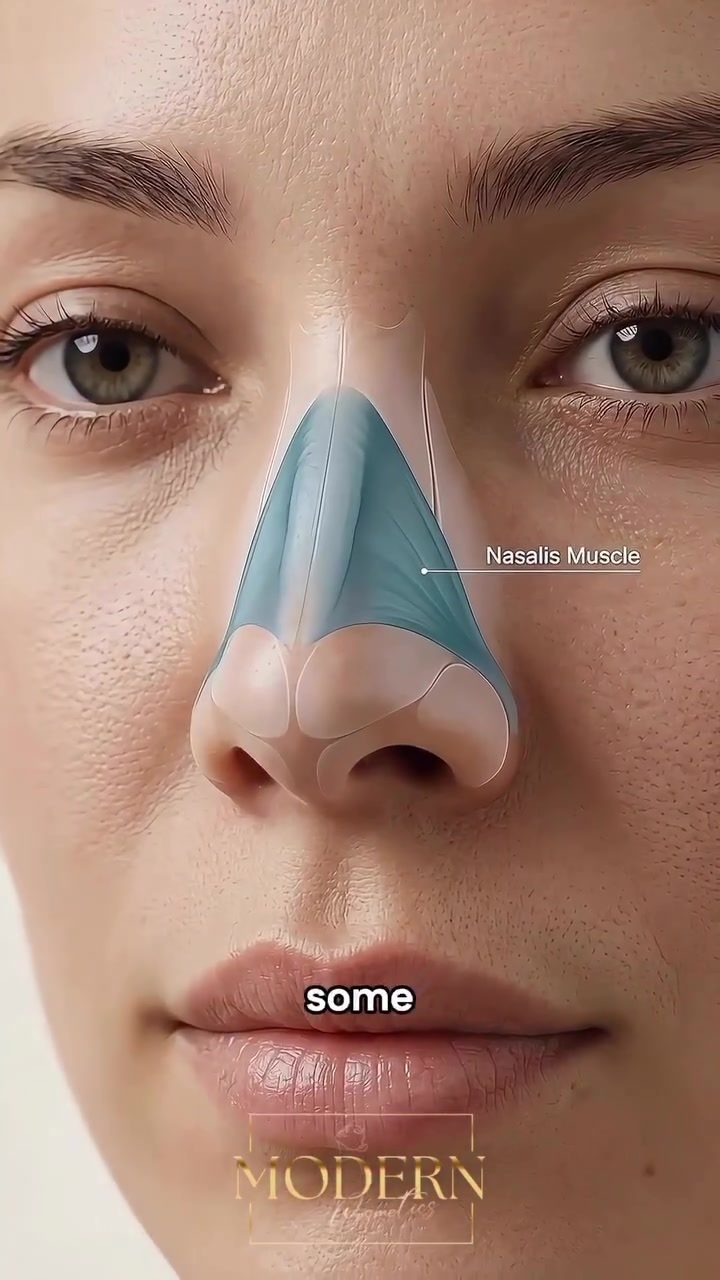
The nasalis muscle, located over the nose, controls nostril movement and significantly impacts nasal flaring. This musc…
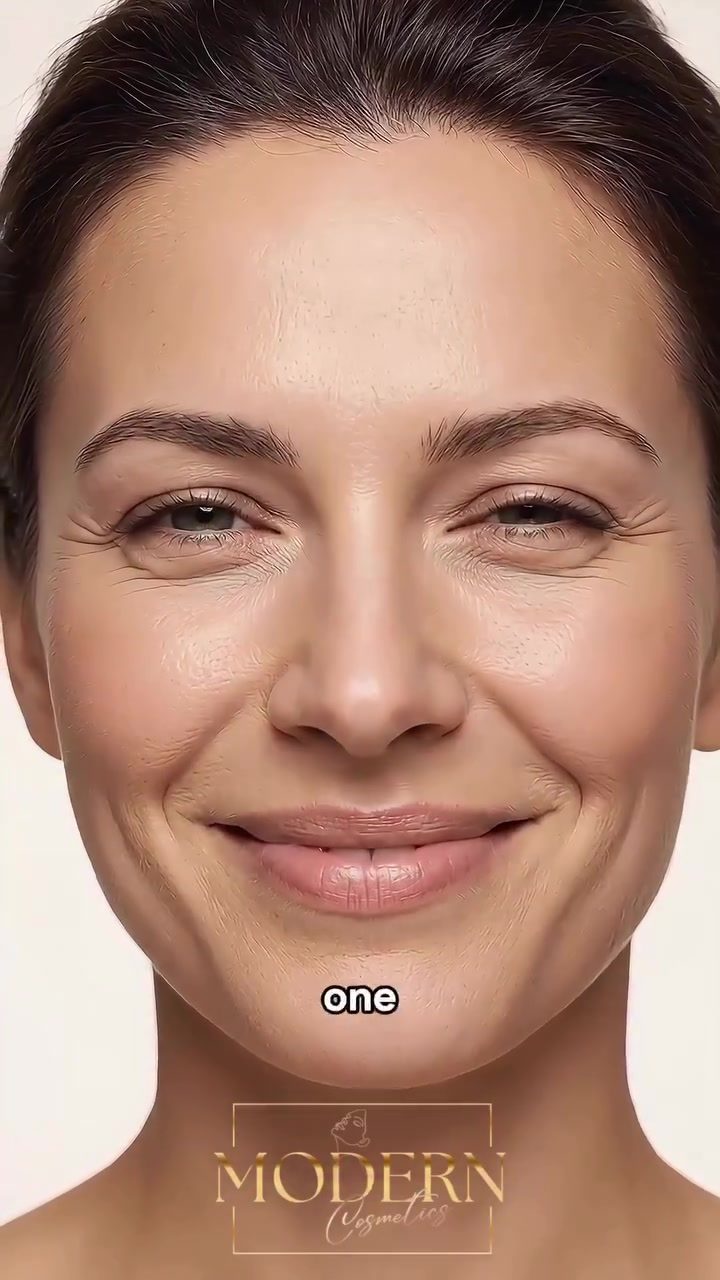
Smile asymmetry, where one side of the face moves more than the other when smiling, is a common phenomenon. It is a res…
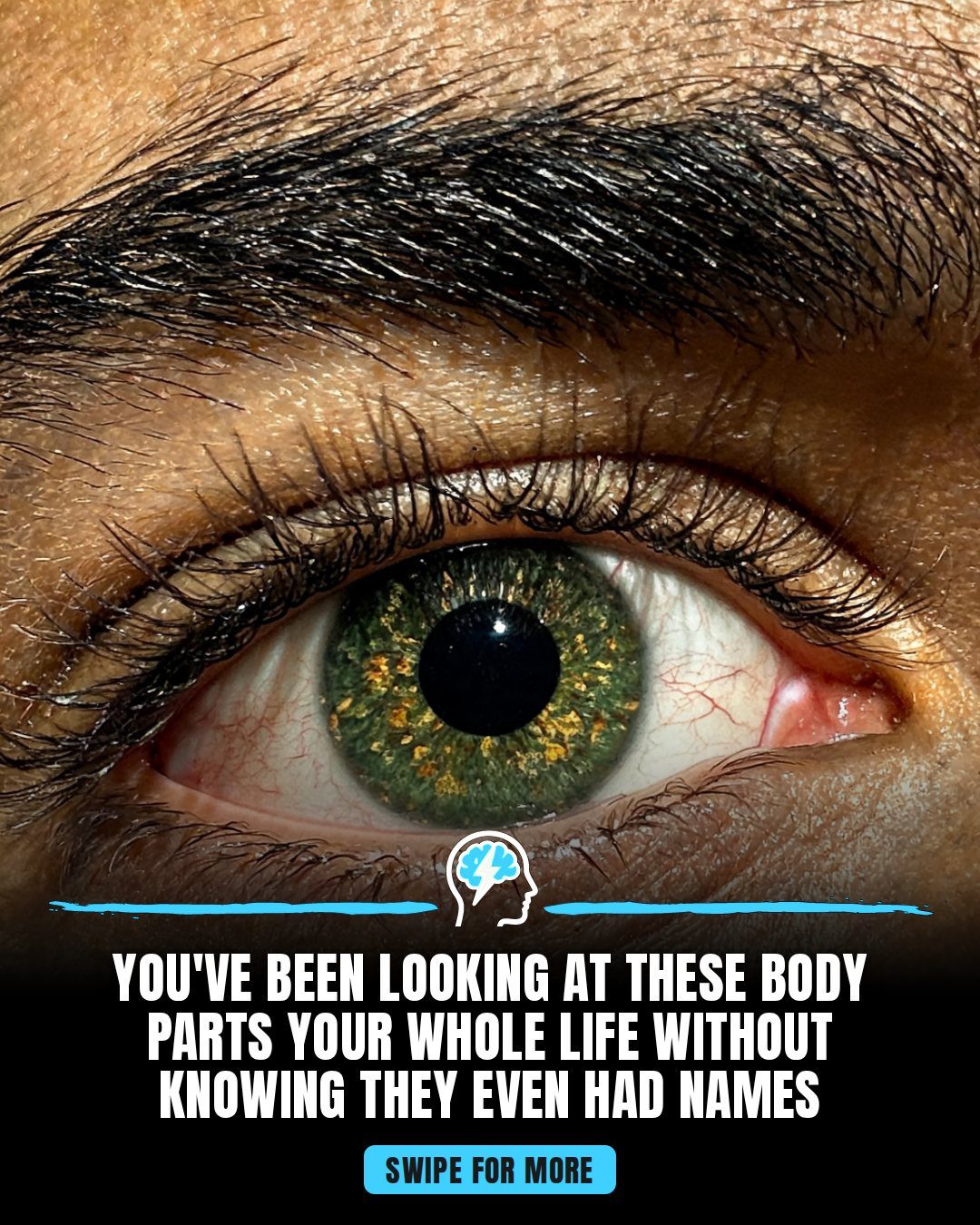
The human body is a map of intricate, named regions that go beyond familiar parts, like fingers and eyes. Knowing the n…

Aesthetic medicine's complexity requires in-depth knowledge of facial anatomy and potential complications. Safe and eff…
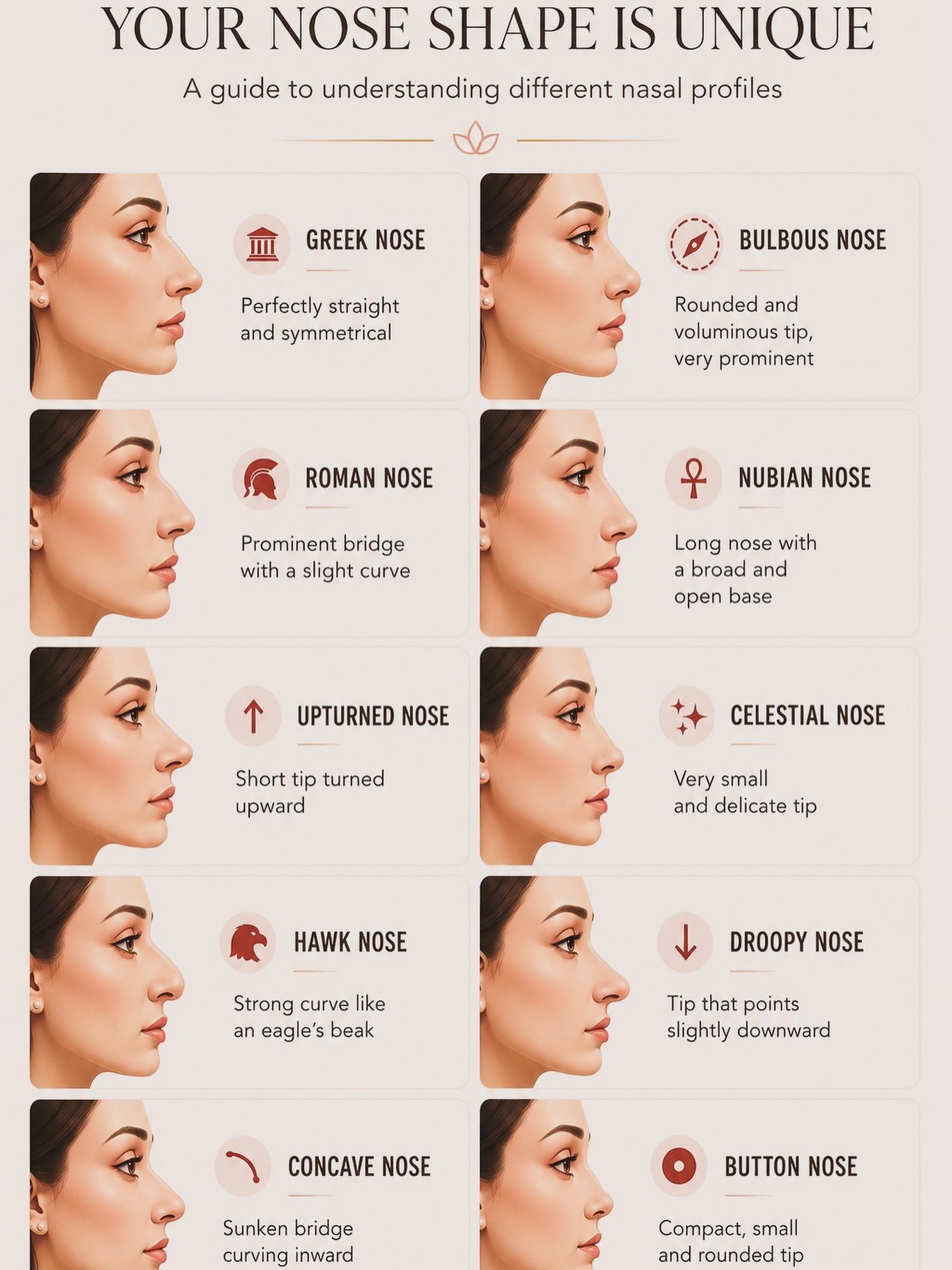
Noses come in diverse shapes, from the straight and symmetrical Greek nose to the bold, rounded bulbous nose and regal…
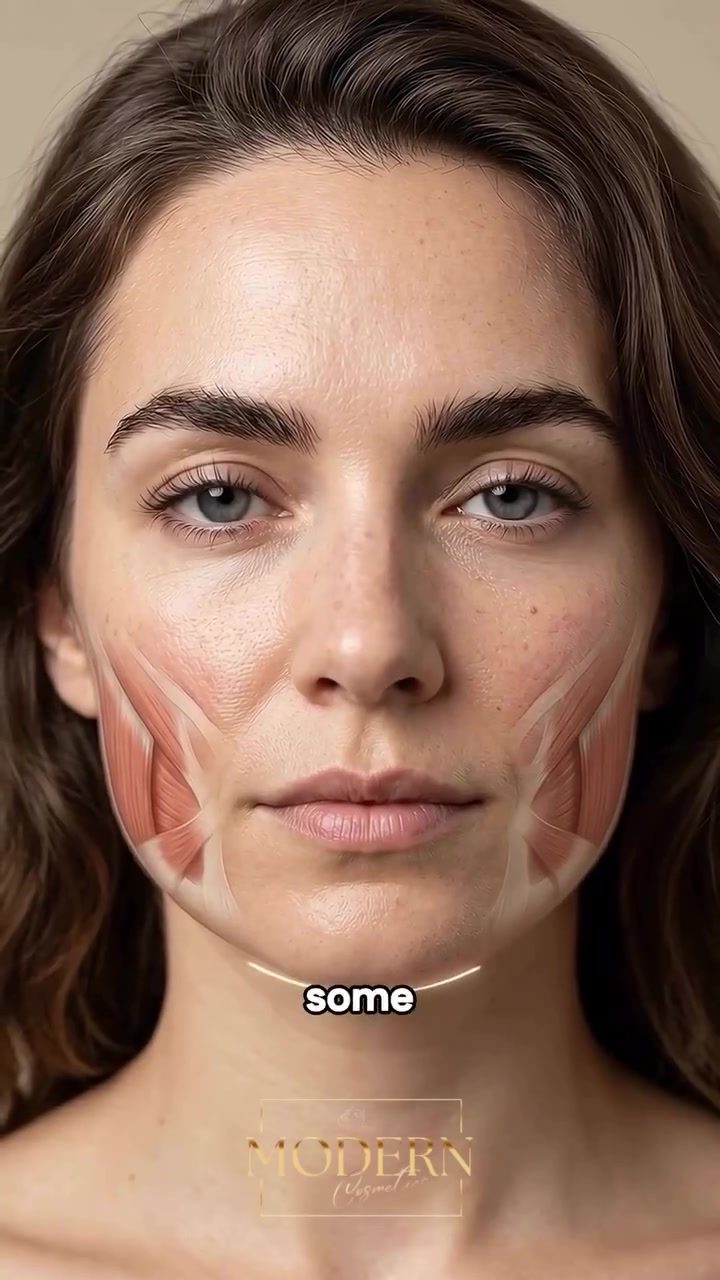
The masseter muscle, crucial for chewing and biting, significantly impacts jawline definition. Understanding its role i…