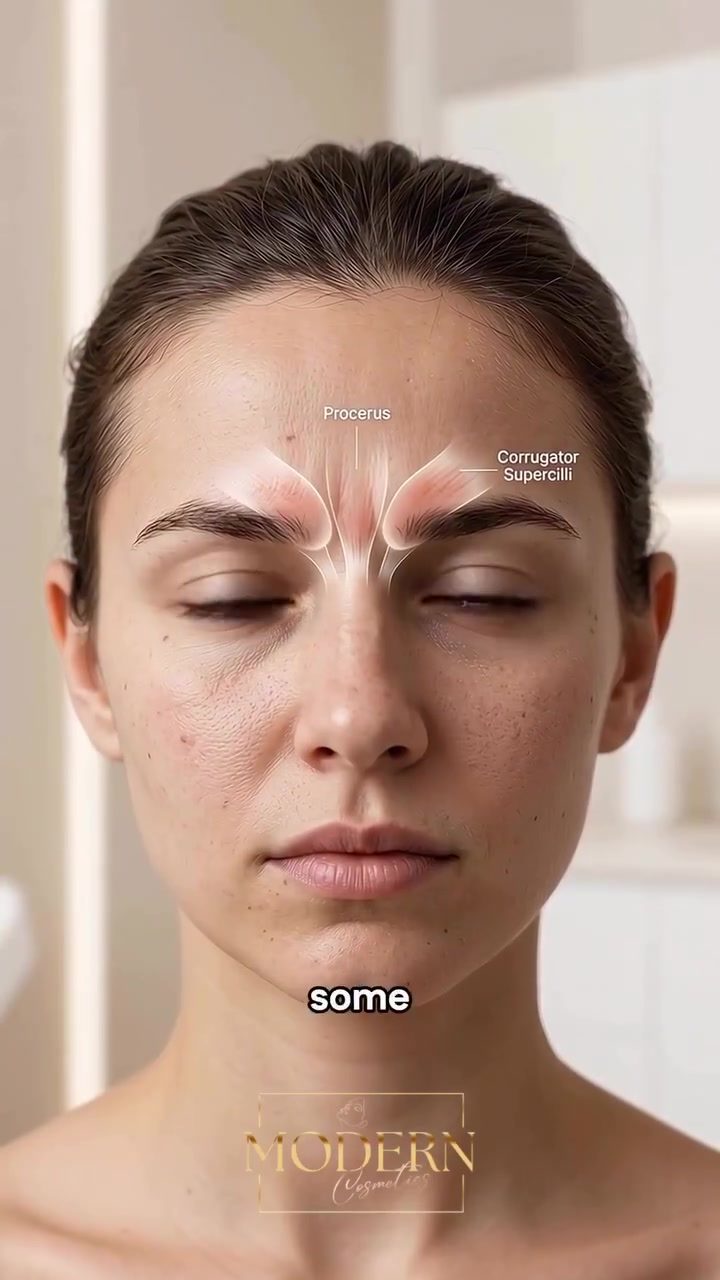
Facial Expressions and Frown Lines
Facial expressions are a universal language, but sometimes they can send the wrong message. Have you ever noticed that some people appear angry or stressed even when they aren't? The culprits behind this phenomenon are often the corrugator supercilii and procerus muscles, which play a significant role in creating facial expressions and, over time, frown lines.
Why This Matters
Understanding the anatomy behind facial expressions is crucial for anyone interested in aesthetics or cosmetic treatments. Facial muscles like the corrugator supercilii and procerus are responsible for a range of expressions, from frowning to concentrating. However, their repeated use can lead to noticeable lines between the eyebrows, commonly known as frown lines or "11s." Recognizing the role of these muscles in facial expressions and the development of wrinkles is essential for anyone seeking personalized cosmetic treatments.
The Role of the Corrugator Supercilii and Procerus Muscles
The corrugator supercilii and procerus muscles are small but powerful. They sit between the eyebrows and are instrumental in various facial expressions. Here’s a closer look at their functions:
Corrugator Supercilii Muscle
The corrugator supercilii muscle is responsible for drawing the eyebrows downward and toward the midline of the face. This action creates a furrowed brow, which can make a person appear angry or stressed. Over time, the repeated movement of this muscle can cause vertical lines to form between the eyebrows, contributing to the development of frown lines.
Procerus Muscle
The procerus muscle, on the other hand, is involved in moving the skin of the forehead downward and inward. This action helps create expressions of worry or concentration. When the procerus muscle contracts, it can also contribute to the formation of horizontal lines across the forehead and vertical lines between the eyebrows.
Understanding Frown Lines
Frown lines, or "11s," are vertical lines that form between the eyebrows. These lines can make a person appear older, angry, or stressed, even when they are not feeling that way.
Formation of Frown Lines
Frown lines develop due to the repetitive contraction of the corrugator supercilii and procerus muscles. Each time these muscles contract, they cause the skin to fold and crease. Over time, these folds become more pronounced, leading to the formation of permanent lines. Factors like aging, sun exposure, and genetics can also influence the development and severity of frown lines.
Personalized Cosmetic Consultations
Every face moves differently, so it makes sense that a one-size-fits-all approach to cosmetic treatments won’t work. Understanding your facial anatomy and the specific movements of your muscles can guide a more personalised treatment plan. This tailored approach ensures that the treatment addresses your unique concerns and delivers the best possible results.
Importance of Personalization
When seeking cosmetic treatments, it’s essential to work with a professional who understands the intricacies of facial anatomy. A personalised approach allows for:
- Targeted Treatments: Address specific concerns like frown lines or crow’s feet.
- Better Results: Improve the overall appearance and effectiveness of the treatment.
- Safety: Minimize risks by ensuring the treatment aligns with your unique facial structure and muscle movements.
Practical Tips for Managing Frown Lines
If you’re concerned about frown lines, there are several strategies you can employ to manage and reduce their appearance.
Skin Care
Invest in quality skincare products designed to target fine lines and wrinkles. Look for products containing ingredients like retinol, vitamin C, and peptides, which can help improve skin texture and reduce the appearance of wrinkles.
Facial Exercises
Facial exercises can help strengthen and tone the muscles in your face, potentially reducing the appearance of frown lines. Aesthetic professionals often recommend exercises that focus on the forehead and eyebrow area.
Professional Treatments
For a more permanent solution, consider cosmetic treatments such as Botox or dermal fillers. These treatments can effectively reduce the appearance of frown lines by relaxing the muscles responsible for their formation.
- Botox: Botox injections work by temporarily paralyzing the muscles that cause frown lines, smoothing out the skin and reducing the appearance of wrinkles. The results typically last for three to four months, after which additional treatments may be necessary.
- Dermal Fillers: Dermal fillers can add volume to the skin, reducing the appearance of wrinkles and lines. These treatments can provide immediate results and can last for several months to a year, depending on the type of filler used.
Lifestyle Factors
Maintaining a healthy lifestyle can also help prevent and reduce the appearance of frown lines. Factors such as:
- Sun Protection: Regularly use sunscreen with a high SPF to protect your skin from harmful UV rays, which can accelerate the aging process and contribute to the formation of wrinkles.
- Hydration: Staying hydrated by drinking plenty of water can help keep your skin looking youthful and plump.
- Healthy Diet: Consuming a balanced diet rich in fruits, vegetables, and lean proteins can provide your skin with the nutrients it needs to stay healthy and youthful.
- Adequate Sleep: Getting enough sleep is essential for overall health and can help your skin repair and regenerate, reducing the appearance of wrinkles.
Important Takeaways
Facial expressions are a natural part of human communication, but understanding the muscles and movements involved can help manage and reduce the appearance of frown lines. Key points to remember include:
- Facial Anatomy: The corrugator supercilii and procerus muscles play a significant role in creating facial expressions and, over time, frown lines.
- Personalized Treatments: Understanding your unique facial anatomy is crucial for effective and personalized cosmetic consultations.
- Skin Care and Lifestyle: Regular skincare, facial exercises, and a healthy lifestyle can help prevent and reduce the appearance of frown lines.
Conclusion
Aesthetic treatments, especially those targeting facial lines and wrinkles, have become increasingly popular. Understanding the underlying muscles and anatomy involved in facial expressions can help guide more effective and personalized treatments. By taking a comprehensive approach that includes skincare, lifestyle changes, and professional treatments, you can manage and reduce the appearance of frown lines, achieving a more youthful and refreshed appearance.
Questions readers ask
What are the corrugator supercilii and procerus muscles and how do they contribute to frown lines?
The corrugator supercilii and procerus muscles are small facial muscles located between the eyebrows. They are responsible for various expressions, such as frowning and concentrating. Over time, their repeated use can cause wrinkles, which are known as frown lines.
Why do some people appear angry or stressed even when they aren't?
Some people may appear angry or stressed due to the action of the corrugator supercilii and procerus muscles. These muscles can create a furrowed brow, even when the person is not experiencing negative emotions, as they are often used in concentration or deep thought.
What is the difference between the corrugator supercilii and procerus muscles?
The corrugator supercilii muscles are located at the inner corners of the eyebrows and pull the eyebrows down and inward, while the procerus muscle is a small, triangular muscle located between the eyebrows that pulls the inner eyebrows downward, and pushes the skin between the eyebrows up and into a horizontal frown.
What are some cosmetic treatments for frown lines?
There are several cosmetic treatments available for frown lines, including Botox injections, which can temporarily paralyze the muscles to reduce wrinkles. Dermal fillers can also be used to smooth out the skin between the eyebrows, and chemical peels or microdermabrasion can help improve the overall appearance of skin texture.
How can understanding facial anatomy help with treating frown lines?
Understanding the anatomy of the face and the muscles involved in frown lines, such as the corrugator supercilii and procerus muscles, can help individuals make informed decisions about cosmetic treatments. Knowing which muscles are responsible for wrinkles can also aid in better treatment results.
Can frown lines be prevented?
While it is not possible to completely prevent frown lines, especially as we age, there are steps that can be taken to mitigate their appearance. These include using sunscreen to protect the skin from UV damage, staying hydrated, and avoiding smoking. Additionally, practicing good facial habits, such as not squinting and using gentle skincare products, can help.
What are some common misconceptions about frown lines?
One common misconception is that frown lines are solely a result of aging, but genetics and lifestyle factors, such as sun exposure, smoking, and repeated facial movements, also play a significant role. Another misconception is that frown lines can be completely eliminated, when in reality, most treatments aim to reduce or soften their appearance.
Recent articles
Fresh deep dives from the latest Reels we unpacked.




Comments
Be the first to comment.