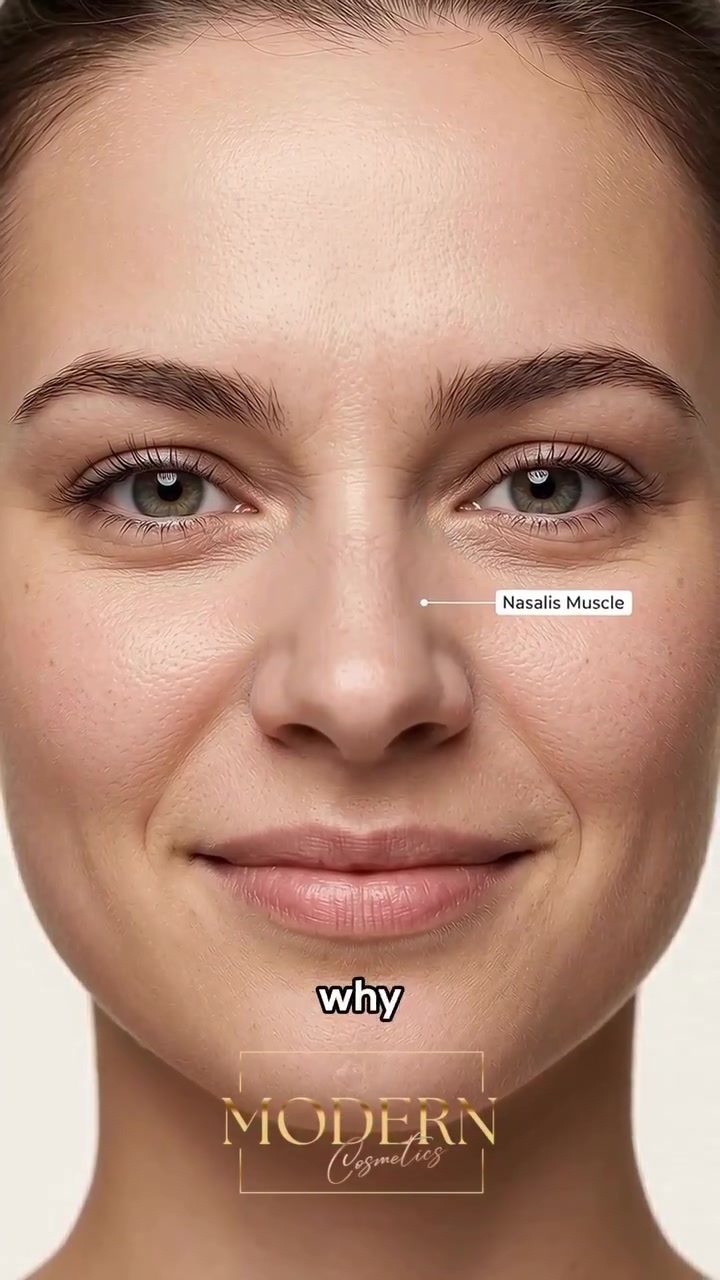
The Nasalis Muscle: The Unseen Culprit Behind Bunny Lines
The nasalis muscle, a small but crucial facial muscle, plays a significant role in the formation of what are commonly known as "bunny lines." These lines appear as little wrinkles or folds on the sides of the nose when a person smiles or laughs. Understanding this muscle and its function can provide valuable insights into facial anatomy and the aging process.
Why This Matters
Facial expressions are more than just skin deep; they involve a complex interplay of muscles, movement, and anatomy. The nasalis muscle, in particular, sits over the bridge and sides of the nose and is instrumental in various facial expressions. Its repeated contractions over time can lead to the formation of bunny lines, which are those small, vertical wrinkles that appear on the sides of the nose.
The Nasalis Muscle: Function and Impact
Anatomy and Function
The nasalis muscle is a thin, flat muscle that covers the bridge and sides of the nose. It is responsible for a variety of facial movements, including nose scrunching, flaring, and wrinkling. When this muscle contracts, it helps to narrow the nostrils and change the shape of the nasal area.
The Role in Expression
The nasalis muscle's primary function in expressions involves creating movements around the nose. During a smile or laugh, this muscle contracts, causing the skin to fold and wrinkle. Over time, these repeated contractions can lead to the permanent formation of bunny lines. This muscle's activity highlights why understanding facial anatomy is crucial in personalized cosmetic consultations.
Bunny Lines: More Than Just Wrinkles
Bunny lines are not just cosmetic concerns; they are a natural result of the nasalis muscle's repeated movement. As the skin folds and wrinkles with each contraction, it can become permanently etched, leading to the appearance of lines. These lines can be more pronounced in individuals who frequently use their nasalis muscle, such as those who smile or laugh frequently.
Practical Tips for Managing Bunny Lines
Skincare Routine
Incorporating a consistent skincare routine can help minimize the appearance of bunny lines. Products containing retinoids, peptides, and hyaluronic acid can improve skin elasticity and reduce the depth of wrinkles. Regularly using moisturizers and sunscreen can also protect the skin from further damage.
Facial Exercises
Facial exercises can help strengthen the nasalis muscle and reduce the appearance of bunny lines. Simple exercises such as wrinkling and un-wrinkling the nose can enhance muscle tone and improve skin elasticity. Regular practice of these exercises can lead to a smoother, more youthful appearance.
Cosmetic Treatments
For those seeking more dramatic results, cosmetic treatments can be an effective solution. Injectable fillers, such as hyaluronic acid, can plump up the skin and reduce the appearance of bunny lines. Additionally, neuromodulators, such as Botox, can temporarily paralyze the nasalis muscle, preventing it from contracting and forming lines.
Important Takeaways
Understanding the nasalis muscle and its role in facial anatomy can provide valuable insights into the formation of bunny lines. Knowing that these lines are a natural result of the muscle's repeated contractions can help in developing effective strategies to manage and minimize their appearance. Whether through skincare, facial exercises, or cosmetic treatments, there are multiple options available to address this common concern.
Conclusion
The nasalis muscle, though small, plays a significant role in shaping our facial expressions and the appearance of bunny lines. By understanding its function and impact, you can take proactive steps to manage and minimize these lines. Whether through skincare, facial exercises, or cosmetic treatments, there are various options available to help you achieve a smoother, more youthful appearance.
Questions readers ask
What exactly are bunny lines and where do they appear on the face?
Bunny lines are small wrinkles or folds that appear on the sides of the nose, particularly noticeable when a person smiles or laughs. They are caused by repeated contractions of a specific muscle, the nasalis muscle.
What causes bunny lines to form?
Bunny lines form due to the repeated contractions of the nasalis muscle, which is located over the bridge and sides of the nose. These contractions occur during various facial expressions, such as smiling or laughing, and over time, they can lead to the development of these lines.
How does the nasalis muscle contribute to the aging process?
The nasalis muscle plays a role in the aging process by contributing to the formation of bunny lines. As we age, repeated muscle contractions can lead to the development of these wrinkles, which are a common sign of aging on the face.
Can bunny lines be prevented or reduced?
While it's not possible to completely prevent the formation of bunny lines, as they are a natural result of facial expressions, there are various techniques and treatments that can help reduce their appearance. These include skincare routines, facial exercises, and in some cases, medical procedures.
Are bunny lines unique to the nose, or do they appear elsewhere on the face?
Bunny lines are specific to the sides of the nose and are caused by the nasalis muscle. Other facial wrinkles may appear elsewhere on the face due to different muscles and expressions. However, these wrinkles are some of the most common around the nose and its sides.
Can bunny lines be treated?
There are several treatment options available for bunny lines. These include topical creams, facial exercises, and procedures such as Botox and fillers. Consulting a professional can help determine the best course of action based on individual needs and preferences.
What is the role of facial expressions in the formation of bunny lines?
Facial expressions, such as smiling and laughing, involve the contraction of various facial muscles, including the nasalis muscle. These repeated contractions over time can lead to the development of bunny lines, which are a visible sign of the aging process.
Recent articles
Fresh deep dives from the latest Reels we unpacked.




Comments
Be the first to comment.