Understanding Nasal Muscle Anatomy and Nasal Flaring
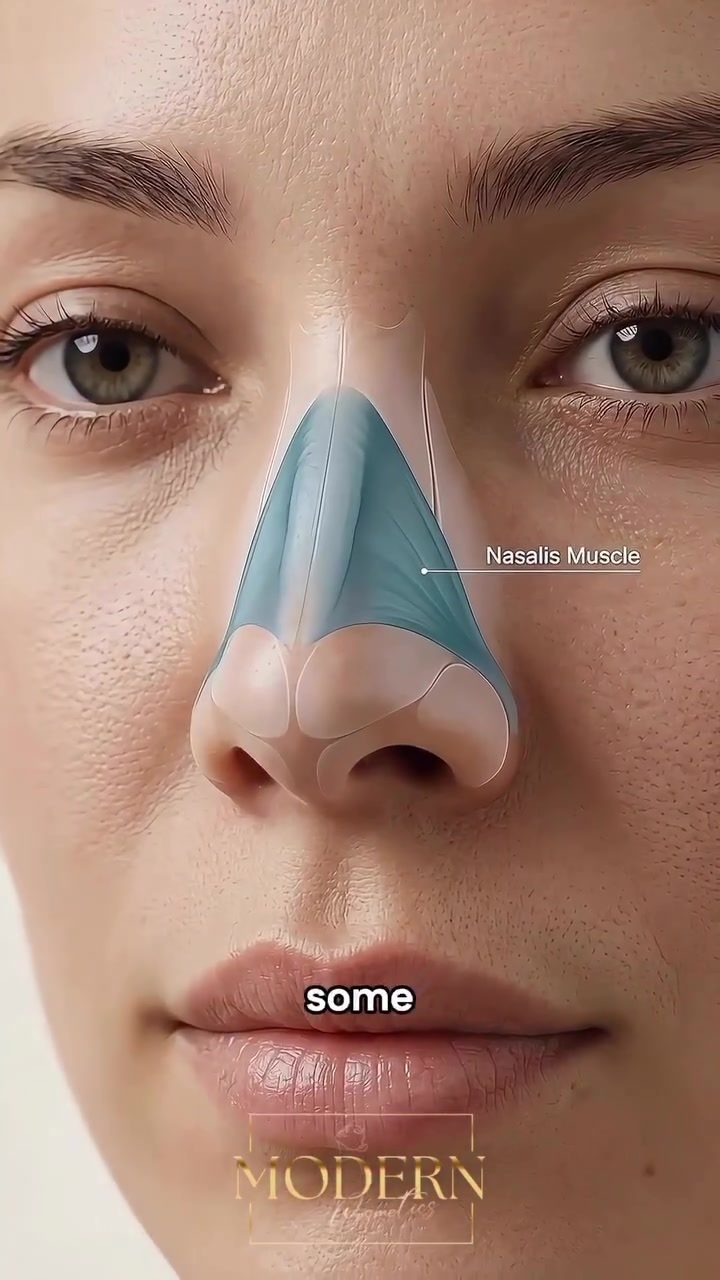
The human face is a complex structure composed of muscles, skin, and bones. Among these features, the nasal muscles play a significant role in facial expressions and movements. One of the key muscles in this area is the nasalis muscle. This small yet crucial muscle sits over the nose and is responsible for controlling the movement around the nostrils. Understanding how it functions can provide insights into why some people's nostrils flare more than others.
Context: Why Nasal Muscles Matter
The nasalis muscle is integral to various facial expressions and basic functions like breathing. During activities such as smiling, talking, laughing, or taking a deep breath, this muscle helps control the movement of the nostrils. Its activity can vary significantly from person to person, affecting facial characteristics such as nasal flaring. This variation is a natural part of each person's unique facial anatomy. Knowing more about the nasalis muscle and nasal flaring can be particularly useful for those considering cosmetic procedures, as understanding muscle movements is essential for personalized consultations.
The Nasalis Muscle: Function and Anatomy
Role in Facial Expressions
The nasalis muscle is involved in a wide range of facial expressions. It helps control the movement around the nose, which is crucial for expressions that involve the upper facial area. For instance, when you smile or widen your nostrils, the nasalis muscle plays a pivotal role. Its activity can also be seen during emotions such as surprise or fear, where the nose may widen or move in specific ways.
Impact on Nasal Flaring
One of the most noticeable effects of the nasalis muscle is nasal flaring. This phenomenon occurs when the nostrils widen more than usual during movement. This can be particularly visible during activities that require deep breathing, such as exercising or experiencing strong emotions. The degree of nasal flaring can vary from person to person, and in some people, the nasalis muscle is naturally more active, leading to more pronounced nasal flaring. This variation is completely normal and does not indicate any underlying issues.
Variations and Individual Differences
The nasalis muscle is just one of many muscles that contribute to the unique appearance and movement of each person's face. Variations in muscle activity can lead to different facial expressions and movements. For example, some people may have more noticeable nasal flaring due to a more active nasalis muscle. These variations are entirely normal and are part of what makes each person's face unique.
The Importance of Understanding Muscle Anatomy
Personalized Cosmetic Consultations
For anyone considering cosmetic procedures, understanding the muscles beneath the surface is crucial. Every face moves differently, and a personalized consultation that takes into account individual muscle movements can lead to better outcomes. Knowing how the nasalis muscle works and understanding the concept of nasal flaring can help cosmetic professionals tailor treatments to each person's unique anatomy.
Everyday Applications
Understanding the anatomy of the nasal muscles can also be beneficial in everyday life. Whether it's for personal awareness or for communicating with others, knowing how the nasalis muscle functions can provide a deeper appreciation for the complexity of the human face. It can also help in understanding and addressing any concerns related to facial movements and expressions.
Practical Tips for a Healthier Nasal Muscle
Exercises to Strengthen the Nasalis Muscle
While the nasalis muscle is naturally active in many people, there are exercises that can help strengthen it. These exercises can be particularly useful for those who experience issues with nasal flaring or want to improve their facial expressions. Simple exercises such as flaring the nostrils while breathing deeply can help strengthen the muscle over time.
Breathing Exercises
Proper breathing techniques can also support the health and function of the nasalis muscle. Deep breathing exercises, for example, can help improve muscle control and coordination. Techniques such as diaphragmatic breathing can be particularly beneficial, as they encourage the use of the nasal passages and can help in controlling the movement of the nostrils.
Important Takeaways
The nasalis muscle is a small yet significant part of the facial anatomy. It plays a crucial role in controlling the movement around the nose, affecting various facial expressions and movements. Understanding how this muscle works can provide valuable insights into facial characteristics such as nasal flaring. This knowledge is particularly important for those considering cosmetic procedures, as personalized consultations often rely on a deep understanding of individual muscle movements.
Conclusion
In summary, the nasalis muscle is a vital component of facial anatomy, responsible for controlling the movement around the nose and contributing to various facial expressions. Its activity can vary from person to person, leading to differences in nasal flaring and other facial movements. By understanding the anatomy and function of the nasalis muscle, individuals can gain a deeper appreciation for the complexity of the human face and make more informed decisions regarding cosmetic procedures and everyday health.
Questions readers ask
What is the nasalis muscle and where is it located?
The nasalis muscle is a facial muscle that plays a key role in controlling nostril movement. It is located over the nose, covering the nasal bones and cartilage, and is responsible for the dynamic changes in nostril size.
What causes nasal flaring and how does the nasalis muscle contribute to this process?
Nasal flaring is the widening of the nostrils, often due to increased airflow or emotional expressions. The nasalis muscle is the main muscle responsible for this action. It contracts during nasal flaring, pulling the nostrils upward and outward.
How does the nasalis muscle influence facial expressions?
The nasalis muscle plays a crucial role in various facial expressions. It helps in activities like smiling, laughing, and talking. During these expressions, the muscle helps shape and define the nostrils.
Are there differences in how the nasalis muscle functions among individuals, and if so, why?
Yes, individuals may experience variations in nasal flaring and movement due to differences in nasalis muscle anatomy. Factors such as muscle tone, size, and personal anatomy can influence how the nasalis muscle functions.
Why might understanding the nasalis muscle be beneficial for those considering cosmetic procedures on the nose?
Understanding the nasalis muscle can be helpful for those considering cosmetic procedures on the nose. Knowing how this muscle functions and its role in nasal flaring can aid in setting realistic expectations and achieving desired outcomes.
How does the nasalis muscle assist in breathing?
The nasalis muscle assists in breathing by controlling the size of the nostrils, which can increase the amount of air that can be inhaled. When you need to take a deep breath, the muscle contracts, allowing your nostrils to widen and let in more air.
What are some specific activities that involve nasalis muscle control?
Activities that involve nasalis muscle control include smiling, talking, laughing, and breathing deeply. During these actions, the muscle contracts and relaxes to change the size and shape of the nostrils, facilitating facial expressions and airflow.
Recent articles
Fresh deep dives from the latest Reels we unpacked.




Comments
Be the first to comment.