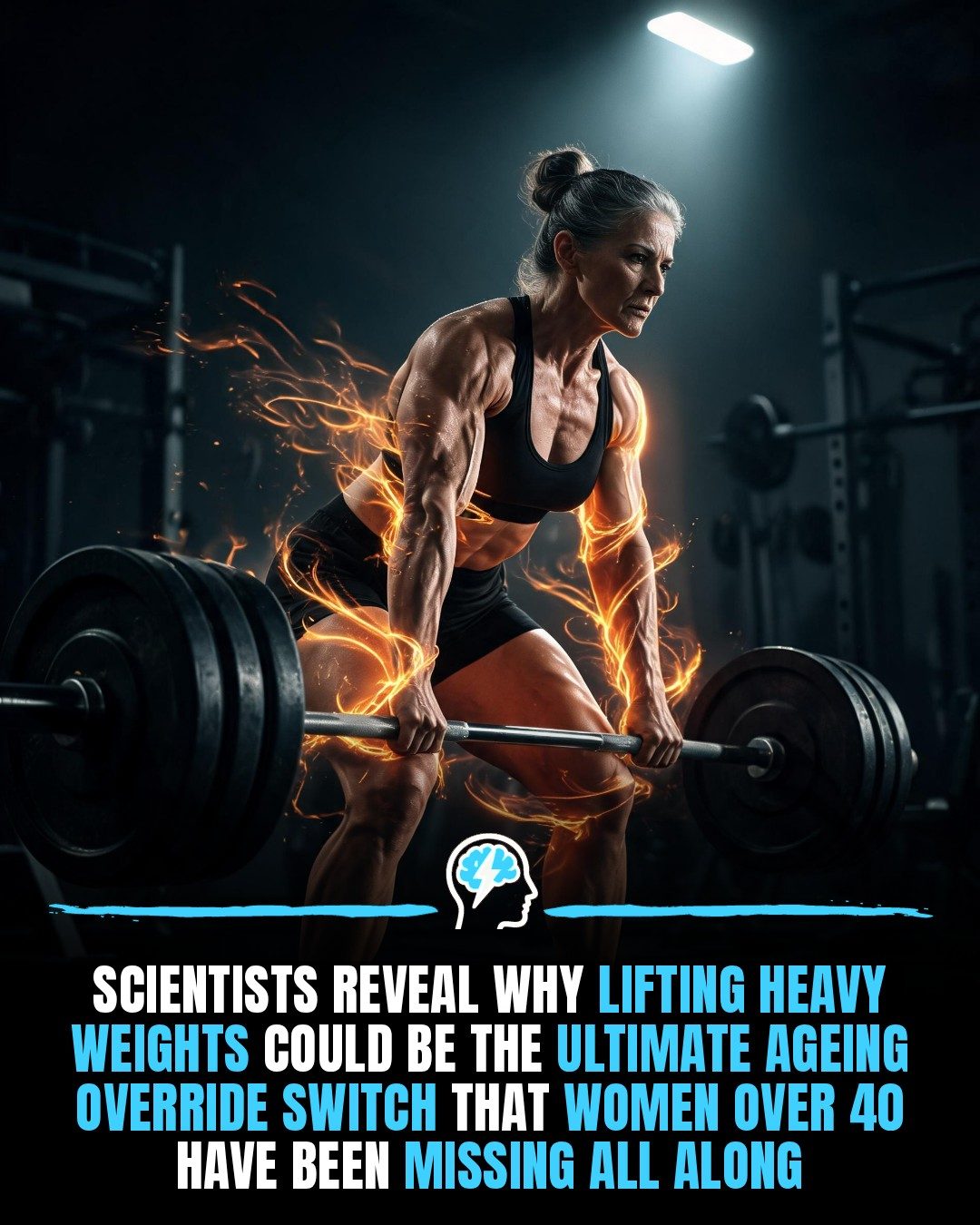
Weightlifting and Aging for Women Over 40
The most powerful tool to combat aging for women over 40 is not found in a cosmetic bottle, but on the weight rack. Engaging in heavy weightlifting can serve as a direct biological intervention, countering the natural decline in muscle mass, known as sarcopenia, that accelerates during perimenopause and menopause. The benefits of incorporating heavy lifting into your fitness routine go beyond muscle preservation.
Why This Matters
As women age, hormonal shifts during perimenopause and menopause can lead to significant changes in the body. Muscle mass naturally declines, and the risk of bone-related issues increases. However, resistance training, particularly with heavy weights, can counteract these effects. By challenging the body with real resistance, you signal it to hold onto muscle and maintain functionality. This is crucial for overall health and independence as you age.
The Science Behind Weightlifting and Aging
Muscle and Metabolic Health
One of the primary benefits of heavy weightlifting is its impact on muscle and metabolic health. Lifting heavy weights stimulates the body to build and maintain muscle mass, which is essential for a higher resting metabolic rate. This elevated metabolic rate can offset age-related weight gain, making it easier to manage weight as you get older. Additionally, resistance training improves blood sugar management and insulin sensitivity, reducing the risk of metabolic disorders like type 2 diabetes.
Preventing Osteoporosis and Osteopenia
Heavy lifting also plays a critical role in bone health. The mechanical stress from resistance training stimulates bone-building cells, increasing bone density. This is particularly important for women over 40, as it helps prevent osteoporosis and osteopenia, conditions characterized by weakened bones and an increased risk of fractures.
Hormonal Harmony and Mental Clarity
Strength training has a profound effect on the endocrine system, which regulates hormone production. During perimenopause and menopause, fluctuating estrogen levels can cause mood swings, sleep disturbances, and brain fog. However, regular weightlifting helps regulate these hormonal fluctuations, promoting the production of hormones that support tissue repair and overall well-being. The result is improved mood, better sleep, and enhanced mental clarity.
Practical Tips for Including Heavy Lifting in Your Routine
Building a Sustainable Foundation
The key to reaping the benefits of weightlifting is to build a sustainable foundation. You don't need to engage in extreme overhauls; instead, focus on gradual progression. Compound movements like squats, deadlifts, and overhead presses work multiple muscle groups at once, providing an efficient path to full-body strength. These lifts not only build muscle but also improve overall functional fitness.
Prioritizing Technique and Consistency
Consistent movement and proper technique are crucial for safe and effective weightlifting. Proper form ensures that you avoid injuries and maintain the benefits of resistance training over the long term. Gradually increasing the weight and intensity as your strength improves will help you build a strong foundation that supports independence and mobility for decades to come.
Important Takeaways
-
Muscle Mass and Metabolic Rate: Heavy weightlifting helps counteract the decline in muscle mass and boosts your resting metabolic rate, aiding in weight management.
-
Bone Health: Resistance training stimulates bone-building cells, increasing bone density and reducing the risk of osteoporosis and osteopenia.
-
Hormonal Balance: Weightlifting regulates your endocrine system, promoting hormonal balance and reducing the effects of fluctuating estrogen levels, which can lead to mood swings, sleep disturbances, and brain fog.
-
Mental Well-being: The physical act of lifting heavy weights can be empowering, changing how you think about aging and boosting your confidence and self-esteem.
-
Sustainable Fitness: Incorporating compound movements into your routine, focusing on proper technique, and gradually increasing intensity will support long-term strength and mobility.
Conclusion
For women over 40, heavy weightlifting is more than just a fitness trend; it's a powerful tool for combating the aging process. By challenging your body with resistance training, you can maintain muscle mass, improve bone health, regulate hormones, and enhance your overall well-being. Embrace the power of the weight rack and realize how strong you can become. Your body will thank you for it.
Questions readers ask
What is sarcopenia and how does heavy lifting help combat it?
Sarcopenia is the age-related loss of muscle mass and strength, which accelerates during perimenopause and menopause. Heavy lifting, or resistance training, helps combat sarcopenia by promoting muscle protein synthesis, which leads to increased muscle mass and improved strength.
How does heavy lifting impact hormonal balance in women over 40?
Heavy lifting can help regulate hormones, which is particularly beneficial during perimenopause and menopause. Resistance training stimulates the production of growth hormones, which can help counteract hormonal imbalances and reduce symptoms such as hot flashes and mood swings.
Can heavy lifting improve bone health in women over 40?
Yes, heavy lifting improves bone density and strength, which is crucial for women over 40 as they are at a higher risk of osteoporosis. Weightlifting places stress on the bones, stimulating them to grow stronger and denser, thereby reducing the risk of fractures and breaks.
What are some of the best exercises for women over 40 to slow aging?
Exercises like squats, deadlifts, bench presses, and overhead presses are excellent for women over 40. These compound movements target multiple muscle groups, promoting overall strength and muscle mass, and helping to slow down the aging process.
How does heavy lifting boost metabolism in women over 40?
Heavy lifting increases the body's metabolic rate by building lean muscle mass. Muscle tissue is more metabolically active than fat, so the more muscle you have, the higher your resting metabolic rate, making it easier to maintain a healthy weight.
Is it safe for women over 40 to start heavy lifting?
Yes, it is safe for women over 40 to start heavy lifting, provided they start with a proper warm-up, use correct form, and gradually increase the weight. It's also recommended to consult with a healthcare provider before beginning any new exercise program.
Related deep dives
Similar reads based on topic and creator.




Recent articles
Fresh deep dives from the latest Reels we unpacked.




Comments
Be the first to comment.