The Downstream Impact of Saliva
Saliva is essential in our digestive and oral health. We tend to underestimate it simply because we all produce it. It is the first line of defense against bacteria and a crucial component in the digestive process. Saliva helps to start digestion before food even reaches the stomach. Enzymes within saliva begin breaking down starch, thus softening the food. This is the reason why we might feel more inclined to chew something sour a bit longer. It softens little by little while enzymes invade and break down the starch. Saliva also acts as a mouth cleaner. Enzymes more than just break down food. They also aid in clearing food particles from the teeth. This results in the saliva protecting your teeth and gums. A sudden surge in saliva production occurs when a person eats something sour. This is due to an automatic response from the nervous system. The nervous system responds to sour tastes by signaling the salivary glands to release more fluid. All without any conscious effort from the person.
The Mechanism of Gleeking
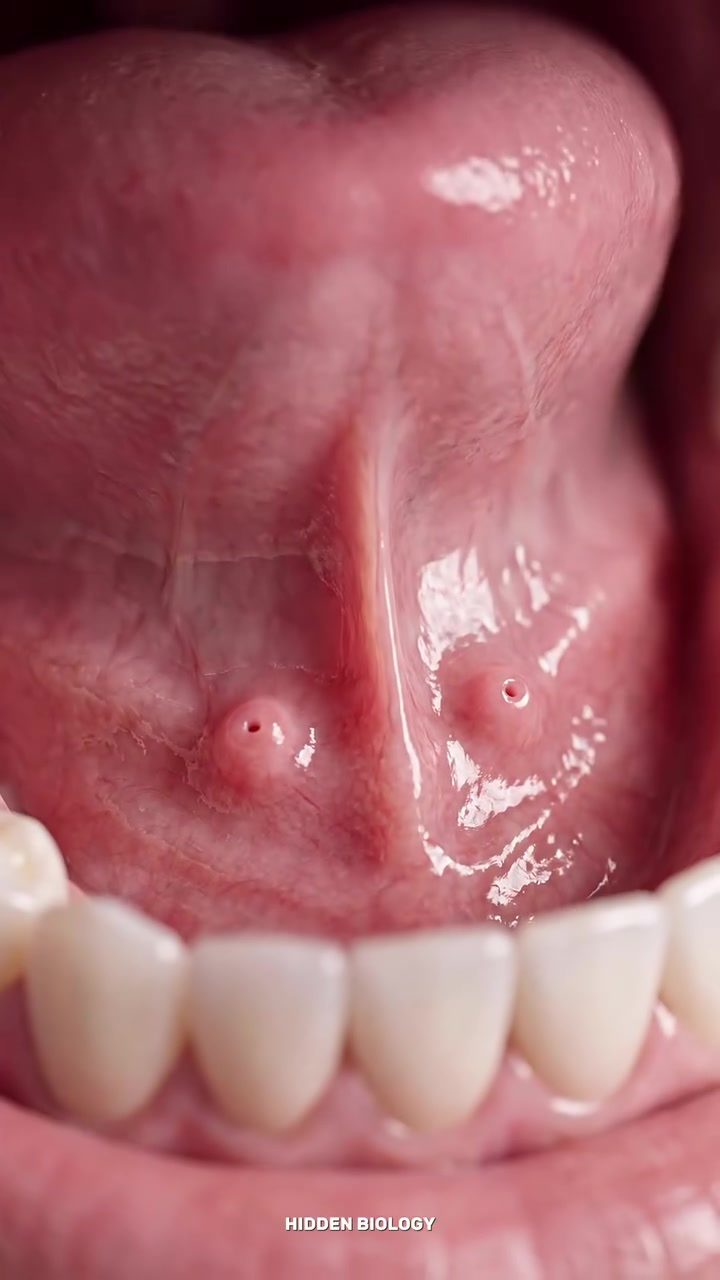
Gleeking is the term for a thin stream of water suddenly shooting out of your mouth. The phenomenon occurs when the saliva flow within the ducts become distorted by the tongue movements. These movements can influence the flow. The mechanism is really fascinating. Tongue movements during yawning or swallowing can influence the muscles around the ducts. When the tongue reaches a particular position, the surrounding muscles past it and affect the pressure and affect the flow. When mouth muscles are tense, it forces an accumulation of saliva through the narrow ducts to push out more forcefully. The ducts in question are thin and slightly curved. The tongue adds to the pressure. This curve, paired with the tongue pressing against the roof of the mouth, generates a sufficient force. Suddenly, a thin stream shoots out. This is what is called gleeking.
The Nuanced Impact of Gleeking
Gleeking may seem like an oddity, but it offers insight into our body's complex systems. The intricacies of the digestive system are more than simple digestion. Gleeking hints at how saliva production works. Gleeking shows us how the tongue and muscles around the mouth can influence other parts of the anatomy. The saliva ducts are tiny and easily influenced by outside factors. The tongue’s movement can create changes in the muscles and pressure within the mouth and throat. Nonetheless, gleeking is not widely practiced. While the phenomenon can be caused by yawning, some people are able to replicate it on purpose. This is by positioning the tongue to create a specific flow. Thus the coolest part is that gleeking is a semi-controlled process. This is part automated, part controlled by the user.
Related deep dives
Similar reads based on topic and creator.


Recent articles
Fresh deep dives from the latest Reels we unpacked.


Comments
Be the first to comment.