Sewage Treatment: From Dirty to Crystal-Clear Water
The process of transforming dirty sewage into crystal-clear water is a fascinating journey through chemistry and physics. It's a vital industrial process that ensures the water we release back into nature is safe and clean. This journey begins with household wastewater, which is collected through a network of underground pipes. This wastewater is a mix of water and various pollutants, including dirt, grease, organic matter, and bacteria.
The Wastewater Treatment Process
Step 1: Collection and Initial Treatment
The wastewater treatment process starts with the collection of sewage from homes and businesses. This sewage is transported to a treatment plant through a network of underground pipes. The initial step involves the addition of a flocculent, a chemical agent that neutralizes tiny particles. These particles include dirt, grease, organic matter, and bacteria. The flocculent causes these impurities to stick together and settle, forming large flakes that sink to the bottom of the tank. This step is crucial as it removes a significant portion of the pollutants from the water.
Step 2: Aeration and Organic Waste Breakdown
After the initial settling, the water enters an aeration tank. In this stage, oxygen is introduced to speed up the breakdown of organic waste. This process is essential for reducing the biological oxygen demand (BOD) of the water, which measures the amount of dissolved oxygen needed by aerobic biological organisms to break down organic material present in a water sample.
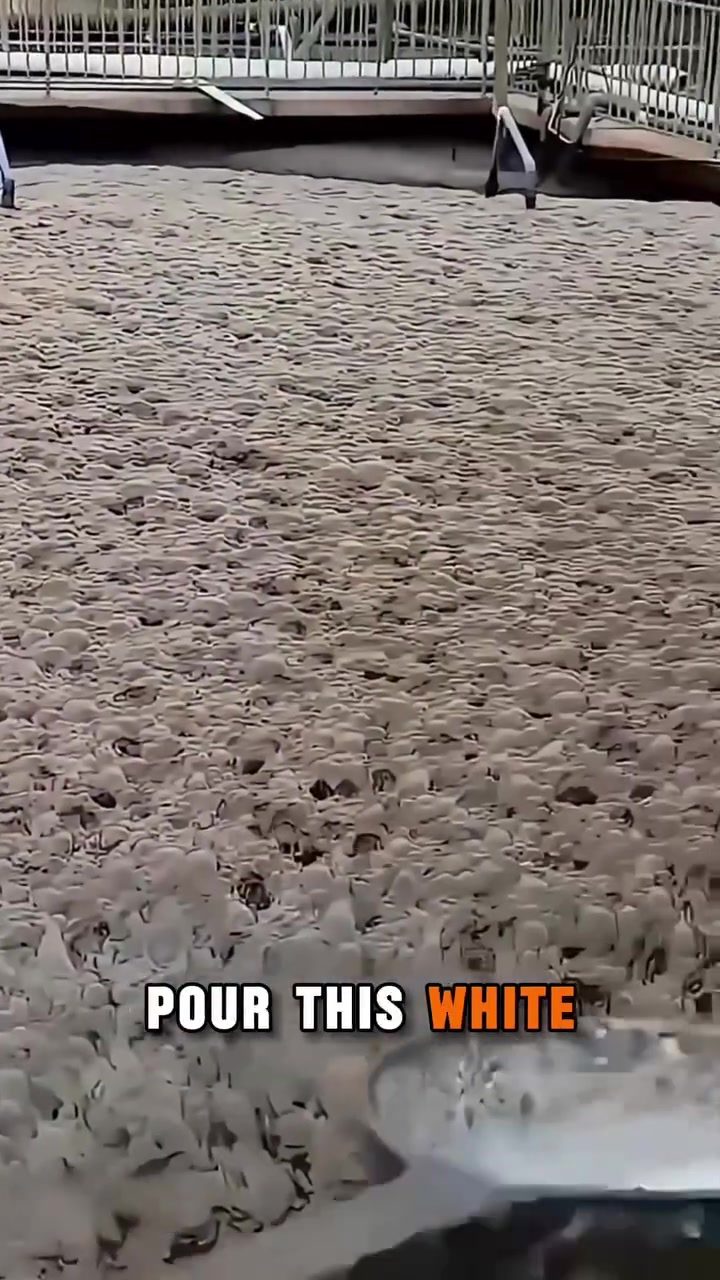
During aeration, any foam produced is removed using a defoaming agent. Foam can be problematic as it can interfere with the treatment process and reduce the effectiveness of the aeration step. Removing this foam ensures that the treatment process continues smoothly.
Step 3: Final Flocculation and Settling
The treated water then undergoes one final round of flocculation and settling. This step ensures that any remaining impurities are removed, leaving the water clean and safe for release. The final treated water is tested to confirm that it meets the required standards for being released back into rivers, lakes, and other bodies of water. This final testing is crucial as it ensures that the water is free from harmful pollutants and safe for the environment.
The Chemistry Behind Wastewater Treatment
Flocculation
Flocculation is the process where tiny particles clump together to form larger flakes that can be easily removed from the water. This process is facilitated by the addition of flocculents. These chemicals help in neutralizing the charges on the tiny particles, allowing them to stick together and form larger flakes that settle at the bottom of the tank.
The process of flocculation is not just about adding chemicals; it's a delicate balance of pH levels, temperature, and the type of flocculent used. Different types of flocculents are used depending on the composition of the wastewater. For example, organic flocculents are often used for wastewater that contains a high amount of organic matter, while inorganic flocculents are used for wastewater with a high amount of inorganic particles.
Aeration
Aeration is the process of introducing oxygen into the wastewater. This process helps in breaking down the organic waste present in the water. Oxygen is a crucial component in the breakdown of organic waste as it helps in speeding up the process. The breakdown of organic waste is essential as it reduces the biological oxygen demand (BOD) of the water, making it safe for release.
The aeration process is usually carried out in an aeration tank. The tank is designed to maximize the contact between the wastewater and the oxygen. This is achieved by using aerators that create a fine mist of oxygen, which is then mixed with the wastewater. The aeration process is continuous, and the wastewater is constantly stirred to ensure that the oxygen is evenly distributed.
The Importance of Wastewater Treatment
Wastewater treatment is not just about cleaning the water; it's about protecting our environment and our health. Untreated sewage can contain a wide range of pollutants, including pathogenic bacteria, viruses, and other harmful organisms. These pollutants can have severe effects on the environment and human health. For example, untreated sewage can contaminate groundwater, leading to waterborne diseases. It can also pollute rivers, lakes, and other bodies of water, harming aquatic life and making the water unsafe for recreational activities.
Environmental Impact
Wastewater treatment plays a crucial role in protecting our environment. By treating wastewater, we ensure that the water we release back into nature is safe and clean. This helps in maintaining the ecological balance and protecting aquatic life. Untreated sewage can lead to eutrophication, a process where excessive nutrients in the water lead to the overgrowth of algae. This can deplete the oxygen in the water, leading to the death of aquatic life.
Practical Tips for Effective Wastewater Treatment
Maintaining Proper pH Levels
Maintaining the proper pH levels in the wastewater is crucial for the effective treatment of wastewater. The pH levels can affect the effectiveness of the flocculents and the aeration process. It's essential to regularly monitor the pH levels and make adjustments as needed.
Regular Maintenance of Equipment
Regular maintenance of the equipment used in the wastewater treatment process is crucial for ensuring its effectiveness. This includes regular cleaning and replacement of filters, aerators, and other equipment. Regular maintenance helps in preventing equipment failure and ensures that the treatment process runs smoothly.
Proper Disposal of Sludge
Sludge is a byproduct of the wastewater treatment process. It's essential to dispose of this sludge properly to prevent it from contaminating the environment. Sludge can be disposed of in landfills or used as fertilizer, depending on its composition and the regulations in your area.
Important Takeaways
The wastewater treatment process is a complex journey that involves a series of chemical and physical processes. From the initial collection of sewage to the final release of treated water, each step plays a crucial role in ensuring that the water is clean and safe. The process involves the use of chemicals, aeration, and other methods to remove impurities from the water. The final treated water is tested to ensure that it meets the required standards for being released back into nature. This process is essential for protecting our environment and our health, as untreated sewage can have severe effects on both.
Conclusion
Wastewater treatment is a vital process that ensures the water we release back into nature is safe and clean. It's a complex journey that involves a series of chemical and physical processes. From the initial collection of sewage to the final release of treated water, each step plays a crucial role in ensuring that the water is clean and safe. By understanding the process and following the practical tips, we can ensure that our wastewater is treated effectively, protecting our environment and our health.
Questions readers ask
What are the main stages of the wastewater treatment process?
The main stages of the wastewater treatment process include collection and initial treatment, organic waste breakdown, and final settling. Each stage plays a crucial role in transforming sewage into clean water suitable for release back into nature. The initial stages focus on removing large solids and debris, while later stages involve biological processes to break down organic waste and chemical treatments to ensure the water meets safety standards.
How does the wastewater treatment process handle organic waste?
Organic waste in sewage is primarily broken down through biological processes. These processes involve microorganisms that feed on the organic matter, converting it into simpler substances. This breakdown occurs in specialized tanks designed to create an ideal environment for these microorganisms, allowing them to efficiently process the organic waste and reduce the overall pollutant load in the water.
What role do settling tanks play in the sewage treatment process?
Settling tanks are a vital component in the wastewater treatment process. They are used to separate solids from liquids through gravity. During the initial settling process, heavy solids sink to the bottom, forming a layer of sludge. The cleaner water then flows out of the tank to the next stage of treatment. A secondary settling process occurs after the biological treatment stage to remove any remaining solids before the water is released.
What chemicals are typically used in the wastewater treatment process?
Chemicals used in wastewater treatment vary based on the specific requirements of the plant and the quality of the incoming sewage. Commonly used chemicals include coagulants, which help to clump together small particles for easier removal, and disinfectants, such as chlorine or ultraviolet light, which kill harmful bacteria and pathogens. Other chemicals may be used to adjust the pH balance or remove specific pollutants.
Why is the wastewater treatment process important for industry?
The wastewater treatment process is crucial for industry because it ensures that water released from industrial activities is safe and clean. This process protects natural water bodies from pollution, helping to maintain ecological balance. Additionally, treating wastewater can recover valuable resources, such as nutrients and even water, which can be reused in industrial processes, thus promoting sustainability and water conservation.
What happens to the sludge generated during wastewater treatment?
The sludge generated during the wastewater treatment process is typically collected and further treated. It can be processed to remove water and then disposed of in landfills or used as a soil conditioner in agriculture. Some advanced treatment methods also aim to recover valuable resources, such as biogas, from the sludge, which can be converted to energy and used as a renewable fuel source.
How does the wastewater treatment process ensure water quality standards?
The wastewater treatment process ensures water quality standards by employing a series of physical, chemical, and biological treatments. Each stage is designed to remove specific pollutants, such as solids, organic matter, and harmful bacteria. Regular monitoring and testing of the treated water are conducted to ensure it meets stringent quality standards before being released back into the environment, ensuring that the water is safe for aquatic life and human activities.
Recent articles
Fresh deep dives from the latest Reels we unpacked.




Comments
Be the first to comment.