Sea Slug Reproduction
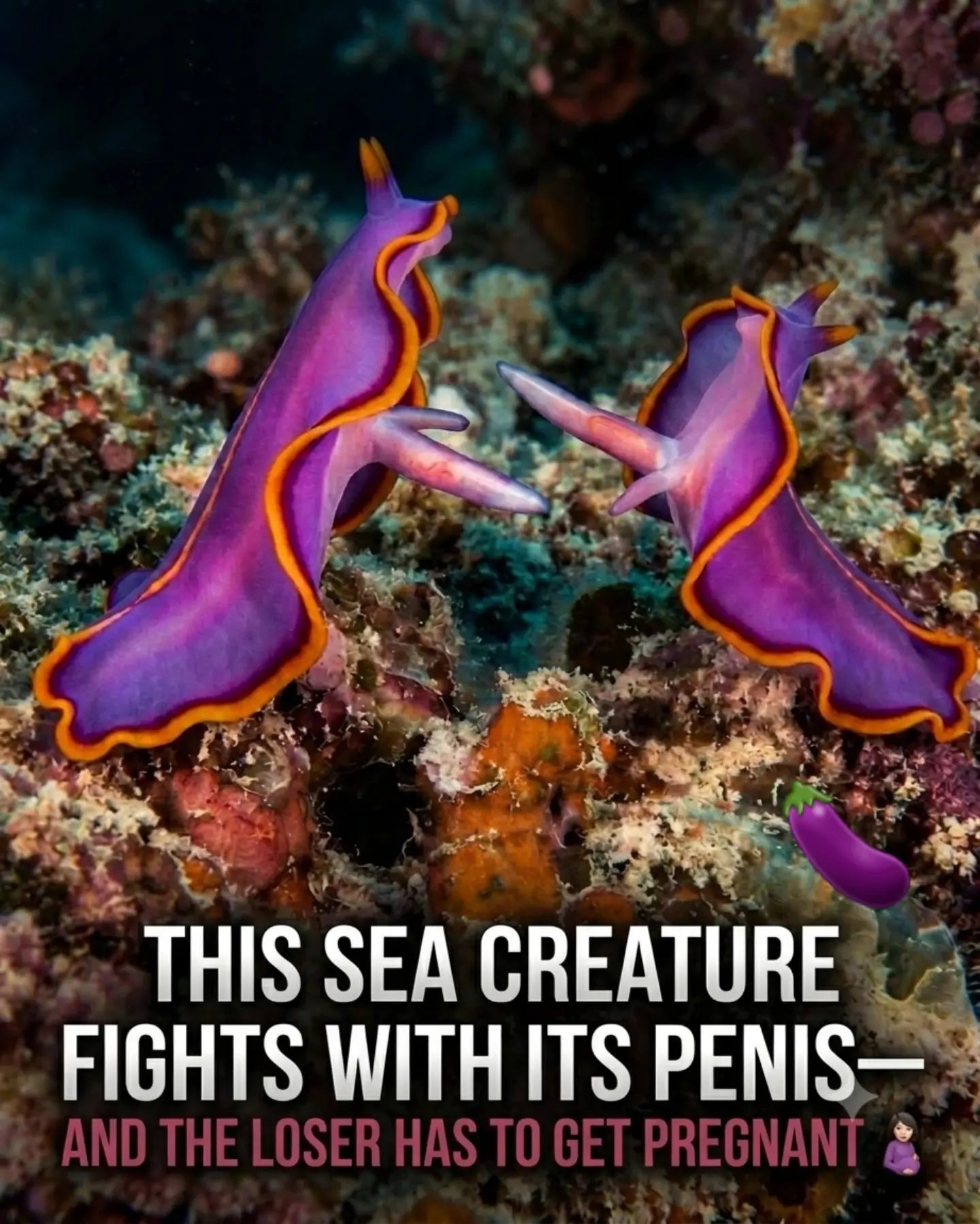
Imagine a world where the male of the species engages in a unique and dramatic reproductive ritual, using its penis as a weapon and the loser of the duel becoming pregnant. This is the reality for certain species of hermaphroditic marine flatworms, specifically polyclad flatworms like Pseudobiceros bedfordi. This peculiar behavior, known as penis fencing, is a fascinating example of nature's diverse reproductive strategies.
Why This Matters
Understanding the reproductive behaviors of marine creatures like these flatworms offers insights into the complex and often surprising ways that life on Earth has evolved. This knowledge is not only intriguing but also essential for ecological conservation and biological research. By delving into the world of polyclad flatworms, we can appreciate the intricacies of marine ecosystems and the unique adaptations that drive survival and reproduction.
The Unique World of Polyclad Flatworms
Hermaphroditic Nature
Polyclad flatworms are hermaphrodites, meaning they possess both male and female reproductive organs. This duality sets the stage for a reproductive strategy that is both competitive and cooperative. The process involves a ritualistic duel where the male organs play a crucial role.
Penis Fencing
The core of the reproductive process for these flatworms is penis fencing. This involves the use of bifurcated, needle-like stylets, which are essentially penises that can pierce the skin of the partner. The goal is to deliver sperm into the body of the other flatworm. The male with the most effective delivery avoids being stabbed himself. The "winner" successfully inseminates the "loser," who must then absorb the sperm through their body wall to fertilize their eggs.
The Burden of Pregnancy
The energy costs of this process are significant. The "loser" must not only absorb the sperm but also heal from the wound and produce offspring. This dual burden can be energetically taxing, highlighting the competitive nature of their reproductive strategy. In contrast, the "winner" is free to move on and potentially mate again, avoiding the burden of pregnancy.
The Role of the Coral Reef
Habitat and Behavior
Coral reefs serve as the backdrop for this extraordinary behavior. The vibrant and diverse ecosystems provided by coral reefs support a myriad of marine life, including these polyclad flatworms. The coral reef environment offers protection, food sources, and the ideal conditions for these reproductive rituals to unfold.
Ecological Significance
Coral reefs are essential for maintaining biodiversity and supporting marine ecosystems. The reproductive behaviors of creatures like polyclad flatworms are part of the intricate web of life that thrives in these habitats. Understanding these behaviors helps in conserving these ecosystems, which are under threat from various environmental factors.
Practical Tips for Observing Marine Life
If you are a marine enthusiast or a casual observer, here are some tips to enhance your experience:
1. Choose the Right Environment
Coral reefs are ideal for observing a variety of marine life. Look for areas with vibrant coral formations and clear waters to get the best view of these fascinating creatures.
2. Use the Right Equipment
A snorkel and mask or scuba gear can provide a closer look at marine life. For those who prefer to stay dry, underwater cameras and binoculars can also offer a clear view of marine behaviors.
3. Be Patient and Quiet
Marine creatures are sensitive to disturbances. Stay still and quiet to increase your chances of witnessing natural behaviors like penis fencing.
4. Respect the Environment
Always respect the marine environment. Avoid touching or disturbing coral and other marine life. This ensures that these ecosystems remain healthy and vibrant for future generations.
Important Takeaways
Diversity in Reproduction
The reproductive strategy of polyclad flatworms highlights the diversity and complexity of nature's reproductive methods. Penis fencing is just one example of the many unique ways that marine creatures have adapted to ensure the continuation of their species.
Ecological Balance
Understanding these behaviors is crucial for maintaining the ecological balance of marine ecosystems. Coral reefs, in particular, are vital habitats that support a wide array of marine life.
Conservation Efforts
Conservation of coral reefs and the creatures that inhabit them is essential. By appreciating and learning about the unique behaviors of marine life, we can better protect these habitats and ensure their survival for future generations.
Conclusion
The world of marine flatworms and their unique reproductive behaviors offers a window into the fascinating and often surprising mechanisms of nature. Observing these creatures in their natural habitats not only enriches our understanding of marine life but also underscores the importance of conservation efforts. Whether you are a marine enthusiast or someone curious about the natural world, the intricate behaviors of polyclad flatworms provide a captivating glimpse into the wonders of the ocean.
Questions readers ask
What is penis fencing in flatworms and how does it work?
Penis fencing is a distinctive reproductive behavior observed in certain hermaphroditic flatworms, such as Pseudobiceros bedfordi. During this process, two flatworms engage in a duel using their penises. The loser of the duel is the one that becomes pregnant, as the winner successfully transfers its sperm to the partner. This behavior ensures that both partners have a chance to reproduce, although in different roles.
Are all flatworms hermaphroditic and do they all engage in penis fencing?
Not all flatworms are hermaphroditic, and not all hermaphroditic flatworms engage in penis fencing. This unique behavior is specific to certain species, such as the polyclad flatworms like Pseudobiceros bedfordi. Other flatworms may have different reproductive strategies, making penis fencing a notable exception among their marine counterparts.
What are the reproductive strategies of flatworms like Pseudobiceros bedfordi?
Flatworms like Pseudobiceros bedfordi employ a complex reproductive strategy where each individual can act as both male and female. This is in part due to their hermaphroditic nature. However, their method of reproduction is further complicated by the practice of penis fencing, which determines which partner will take on the maternal role in each encounter.
What role does penis fencing play in the ecosystem?
Penis fencing in flatworms is more than just a curious behavior; it plays a role in maintaining genetic diversity within their populations. By ensuring that both partners have the opportunity to reproduce, this behavior contributes to the overall health and resilience of marine ecosystems. Understanding these behaviors can provide valuable insights for ecological conservation efforts.
Can the outcome of a penis fencing duel be predicted?
The outcome of a penis fencing duel is not predetermined and can vary based on factors such as the size, strength, and possibly the health of the flatworms involved. The winner is the one that successfully transfers its sperm, leading to the pregnancy of the loser. This dynamic ensures that both partners have an equal chance to reproduce, albeit in different reproductive roles.
Related deep dives
Similar reads based on topic and creator.




Recent articles
Fresh deep dives from the latest Reels we unpacked.




Comments
Be the first to comment.