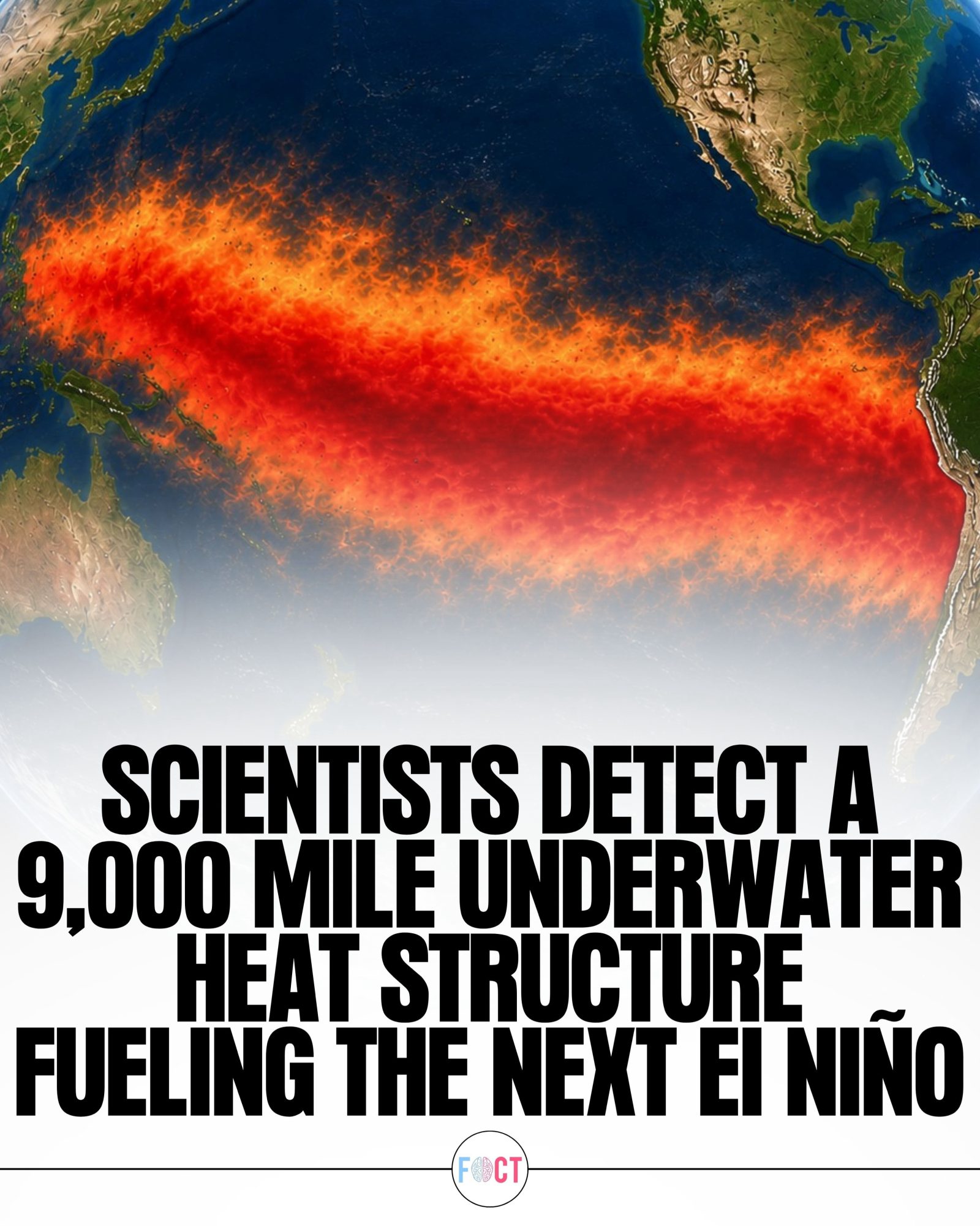
El Niño Heat Structure
Under the vast surface of the Pacific Ocean, scientists have detected a colossal underwater heat structure spanning nearly 9,000 miles. This massive band of unusually warm water is part of a naturally occurring ocean phenomenon known as a Kelvin wave, which transports warm water from the western Pacific toward the eastern Pacific beneath the ocean’s surface. This phenomenon is believed to play a crucial role in fueling the next El Niño event, a climate pattern with far-reaching global impacts.
Why This Matters
El Niño is a complex climate pattern characterized by a period of unusually warm water in the Pacific Ocean, which can significantly influence weather patterns worldwide. The detection of this 9,000-mile underwater heat structure is crucial because it provides scientists with valuable insights into the potential intensity and impacts of the upcoming El Niño event. Understanding these dynamics is essential for predicting and preparing for the diverse climatic changes that El Niño can bring, including shifts in rainfall patterns, temperature fluctuations, and marine ecosystem disruptions.
Main Discussion
The Science Behind Kelvin Waves
Kelvin waves are a key component of the El Niño-Southern Oscillation (ENSO) cycle. These waves travel along the equator, carrying warm water from the western Pacific toward the eastern Pacific. As the warm water moves eastward and rises to the surface, it can increase sea surface temperatures, a critical factor in the development and intensification of El Niño conditions.
The current underwater heat structure detected by scientists is a significant Kelvin wave that has the potential to trigger a robust El Niño event. The warm water within this structure is a reservoir of heat that can significantly alter the climate dynamics of the Pacific and, consequently, the global climate.
Global Impacts of El Niño
El Niño events have a profound influence on weather patterns and climate systems around the world. Some of the most notable impacts include:
- Changes in Precipitation Patterns: El Niño can lead to increased rainfall and flooding in some regions, such as the southern United States, while causing droughts in others, like Australia and Southeast Asia.
- Increased Global Temperatures: The warm water associated with El Niño can contribute to higher atmospheric temperatures, potentially leading to more intense heatwaves and contributing to long-term global warming trends.
- Disruptions in Marine Ecosystems: The changes in sea surface temperatures can affect the distribution and behavior of marine species, altering ecosystems and fisheries. For example, the increase in ocean temperatures can lead to coral bleaching and the displacement of marine life.
Monitoring and Predicting El Niño
Given the significant impacts of El Niño, scientists are closely monitoring the current underwater heat structure and its potential to fuel the next El Niño event. Advanced monitoring systems, including satellite observations and oceanographic data, are being used to track the movement and development of the Kelvin wave. This information is crucial for developing accurate forecasts and providing early warnings to communities and governments around the world.
By closely observing the dynamics of the ocean and atmosphere, researchers aim to improve the predictability of El Niño events, allowing for better preparation and mitigation of their effects. This includes developing more precise climate models, enhancing surveillance systems, and fostering international collaboration to tackle the challenges posed by El Niño.
Practical Tips
For those in regions likely to be affected by the upcoming El Niño, here are some practical steps to stay informed and prepared:
- Stay informed: Follow updates from reliable sources, such as the National Oceanic and Atmospheric Administration (NOAA) and the World Meteorological Organization (WMO), to stay informed about the latest developments and forecasts related to the El Niño event.
- Prepare for extreme weather: Depending on your location, prepare for potential flooding, drought, and temperature extremes. This may include securing your property, stocking up on essential supplies, and having an emergency plan in place.
- Support marine conservation efforts: Contribute to organizations working to protect marine ecosystems and support sustainable fishing practices. This can help mitigate the impacts of El Niño on marine life and ensure the long-term health of ocean ecosystems.
Important Takeaways
The detection of a 9,000-mile underwater heat structure in the Pacific Ocean underscores the importance of monitoring and understanding oceanic phenomena such as Kelvin waves. These waves play a critical role in the development of El Niño, a climate pattern with far-reaching global impacts. By closely monitoring these phenomena, scientists can provide valuable insights and forecasts that help communities and governments prepare for the potential effects of El Niño, including shifts in precipitation patterns, temperature changes, and disruptions to marine ecosystems.
Conclusion
The discovery of this massive underwater heat structure is a testament to the intricate and interconnected nature of our planet's climate systems. By understanding the science behind phenomena like Kelvin waves and El Niño, we can better predict and prepare for the challenges they present. As we continue to monitor the development of the next El Niño event, it is essential to stay informed, prepared, and committed to sustainable practices that protect our environment and communities.
Questions readers ask
What is the significance of the underwater heat structure in the Pacific Ocean?
The underwater heat structure, which is a Kelvin wave, is significant because it transports warm water across the Pacific Ocean. This movement of warm water can influence global climate patterns and is a key indicator of an upcoming El Niño event.
How does an underwater heat structure contribute to El Niño events?
An underwater heat structure, or Kelvin wave, contributes to El Niño events by moving warm water towards the eastern Pacific. This warm water can cause a rise in surface temperatures, leading to changes in weather patterns that are characteristic of El Niño.
What is a Kelvin wave and how does it affect the ocean?
A Kelvin wave is an oceanic phenomenon where warm water moves along the equator, beneath the surface. It affects the ocean by redistributing heat, which can lead to significant changes in sea surface temperatures and influence global weather patterns.
Can the next El Niño event be predicted based on the current underwater heat structure?
The current underwater heat structure, being a Kelvin wave, suggests that conditions are favorable for the next El Niño event. However, predicting the exact timing and intensity of El Niño remains challenging and depends on various climate factors.
What are the global implications of the upcoming El Niño event?
The upcoming El Niño event, fueled by the underwater heat structure, can have far-reaching implications, such as altered precipitation patterns, increased temperatures, and disruptions to ecosystems. These changes can affect agriculture, water resources, and even the frequency of extreme weather events worldwide.
How does the underwater heat structure in the Pacific Ocean form?
The underwater heat structure in the Pacific Ocean, known as a Kelvin wave, forms due to the movement of warm water from the western Pacific towards the eastern Pacific. This movement is driven by wind patterns and can span thousands of miles, influencing ocean temperatures and climate conditions.
Recent articles
Fresh deep dives from the latest Reels we unpacked.




Comments
Be the first to comment.