Cosmetic Injections and the Importance of Choosing the Right Practitioner
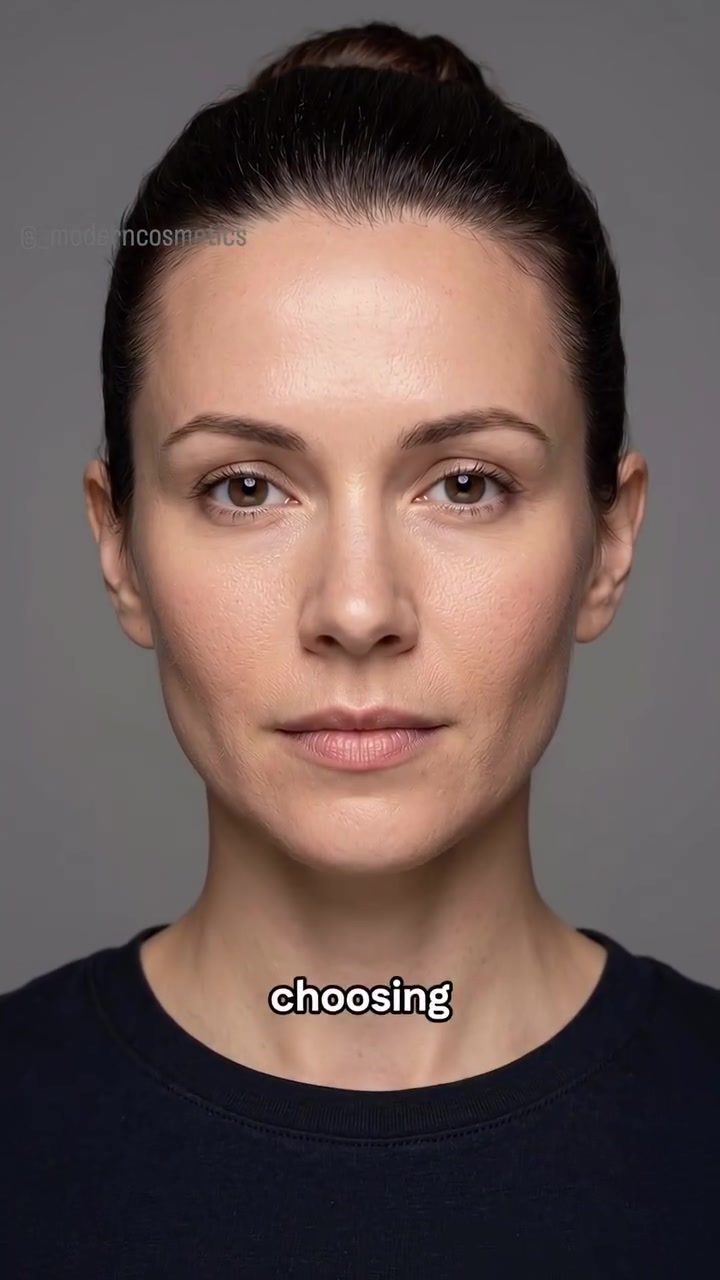
Delving beneath the surface of your skin, the anatomy of your face is a complex network of layers, each with its unique functions and potential risks. When considering cosmetic injections, it's crucial to understand that these layers include skin, fat compartments, fascia and ligaments, muscles, blood vessels, nerves, and bone. Each layer is positioned at different depths and interacts with the others, making it essential to choose a practitioner who comprehends this intricate structure.
Why This Matters
The importance of choosing the right cosmetic practitioner can't be overstated. Cosmetic medicine goes beyond just knowing where to inject. It involves a deep understanding of what lies beneath the surface of the skin. The most critical aspect of any cosmetic treatment isn't what you see going in; it's the anatomy you can't see underneath. This anatomy includes blood vessels, nerves, and other structures that can be affected by the treatment.
Cosmetic practitioners should have a strong grasp of individual anatomical variations. Different people have different anatomical structures, and these variations can impact the suitability, risks, and outcomes of a cosmetic procedure. Assessing these variations and managing potential complications requires extensive clinical knowledge and experience.
Key Factors to Consider
Understanding Anatomy
Every layer of the face has its own anatomy, function, and potential risks. For example, the layers of fat and muscles can vary in thickness and position, and the blood vessels and nerves can have different courses. A knowledgeable practitioner understands these variations and uses them to guide the treatment.
Risk Assessment
Understanding the potential risks associated with each layer of the face is crucial. For example, injecting into the wrong area can damage blood vessels, nerves, or muscles, leading to complications. A skilled practitioner knows how to assess these risks and take appropriate precautions.
Clinical Knowledge
Clinical knowledge is essential for identifying and managing potential complications. This knowledge includes understanding the signs and symptoms of complications, knowing how to treat them, and recognizing when to refer a patient to a specialist.
Practical Tips for Choosing a Practitioner
Before considering any cosmetic procedure, it's important to ask the right questions. Here are some key factors to consider:
Qualifications and Experience
Ask about the practitioner's qualifications and experience. Ensure they have the necessary training and certification to perform cosmetic procedures. Experience is also crucial, as it indicates the practitioner's ability to handle complications and achieve satisfactory results.
Assessment Process
Find out about the practitioner's assessment process. A thorough assessment should include a detailed medical history, a physical examination, and a discussion of your expectations and concerns. The practitioner should also explain the procedure, its risks, and the expected outcomes.
Risk Management
Ask about the practitioner's approach to risk management. They should have a plan for identifying and managing potential complications. This includes knowing when to refer a patient to a specialist and having access to the necessary resources and support.
Aftercare
Aftercare is an essential part of any cosmetic procedure. Ask about the practitioner's aftercare plan, including how to care for the treated area, when to return for follow-up appointments, and what to do if complications arise.
Comfort and Communication
You should feel comfortable asking questions and discussing your concerns with the practitioner. Good communication is essential for a successful treatment outcome. If you feel rushed or uncomfortable, it may be a sign that the practitioner is not the right fit for you.
Important Takeaways
When considering cosmetic injections, it's essential to choose a practitioner who understands the complexities of facial anatomy. This understanding includes recognizing individual anatomical variations, assessing suitability, and having the clinical knowledge to identify and manage potential complications.
Ask the Right Questions
Before making a decision, ask about the practitioner's qualifications, experience, assessment process, risks, aftercare, and complication management. Ensure you feel informed and comfortable with the practitioner's approach.
Understand the Risks
All cosmetic procedures carry potential risks and complications. It's essential to understand these risks and discuss them with your practitioner. The practitioner should also explain the steps they will take to minimize these risks.
Expectations and Outcomes
Understand what to expect from the procedure and the potential outcomes. Ensure that your expectations are realistic and that you are prepared for the recovery process. Your practitioner should also explain the potential benefits and limitations of the procedure.
Conclusion
Cosmetic injections can be a safe and effective way to enhance your appearance, but choosing the right practitioner is crucial. Understanding the complexities of facial anatomy, assessing individual variations, recognizing potential risks, and managing complications are all essential aspects of cosmetic medicine. By asking the right questions and choosing a knowledgeable and experienced practitioner, you can ensure a successful treatment outcome.
Questions readers ask
How does understanding facial anatomy enhance the safety of cosmetic injections?
Understanding facial anatomy helps practitioners identify and avoid critical structures like blood vessels and nerves. This knowledge allows them to navigate the complex layers of the face, reducing the risk of complications such as bruising, swelling, or nerve damage.
What are the key structures that a cosmetic practitioner should be familiar with?
A knowledgeable practitioner should be familiar with the skin, fat compartments, fascia and ligaments, muscles, blood vessels, nerves, and bone. Each of these structures plays a crucial role in facial aesthetics and function, and their interactions must be carefully considered during injections.
Why is it important to choose a practitioner with a deep knowledge of facial anatomy?
A practitioner with a deep knowledge of facial anatomy can better navigate the complex layers of the face, ensuring that injections are delivered safely and effectively. This expertise helps minimize risks and achieve optimal results, tailored to the individual's unique facial structure.
What are the potential risks of cosmetic injections if the practitioner lacks anatomical knowledge?
Without a thorough understanding of facial anatomy, practitioners may inadvertently inject into blood vessels, causing complications such as embolisms, or damage nerves, leading to temporary or permanent side effects. Additionally, improper injection techniques can result in asymmetry or unsatisfactory results, including bruising and swelling.
How can knowing the location of facial blood vessels improve injection safety?
Knowing the location of facial blood vessels helps practitioners avoid injecting directly into these structures, thereby reducing the risk of vascular occlusion or embolism. Understanding the vascular network allows for precise and safe injection techniques, minimizing bruising and other complications.
What role do facial muscles play in cosmetic injections?
Facial muscles are crucial for expressions and maintaining facial structure. A practitioner who understands muscle anatomy can target injections to enhance or relax specific muscles, achieving desired cosmetic effects while preserving natural facial movements. This knowledge is essential for procedures like Botox and dermal fillers.
How can I determine if a practitioner has the necessary anatomical knowledge for safe injections?
To determine if a practitioner has the necessary anatomical knowledge, ask about their training and experience in facial anatomy. Inquire about their approach to assessing individual facial structures and how they tailor treatments to each patient. A knowledgeable practitioner should be able to explain the potential risks and benefits of the procedure based on your unique anatomy.
Recent articles
Fresh deep dives from the latest Reels we unpacked.




Comments
Be the first to comment.