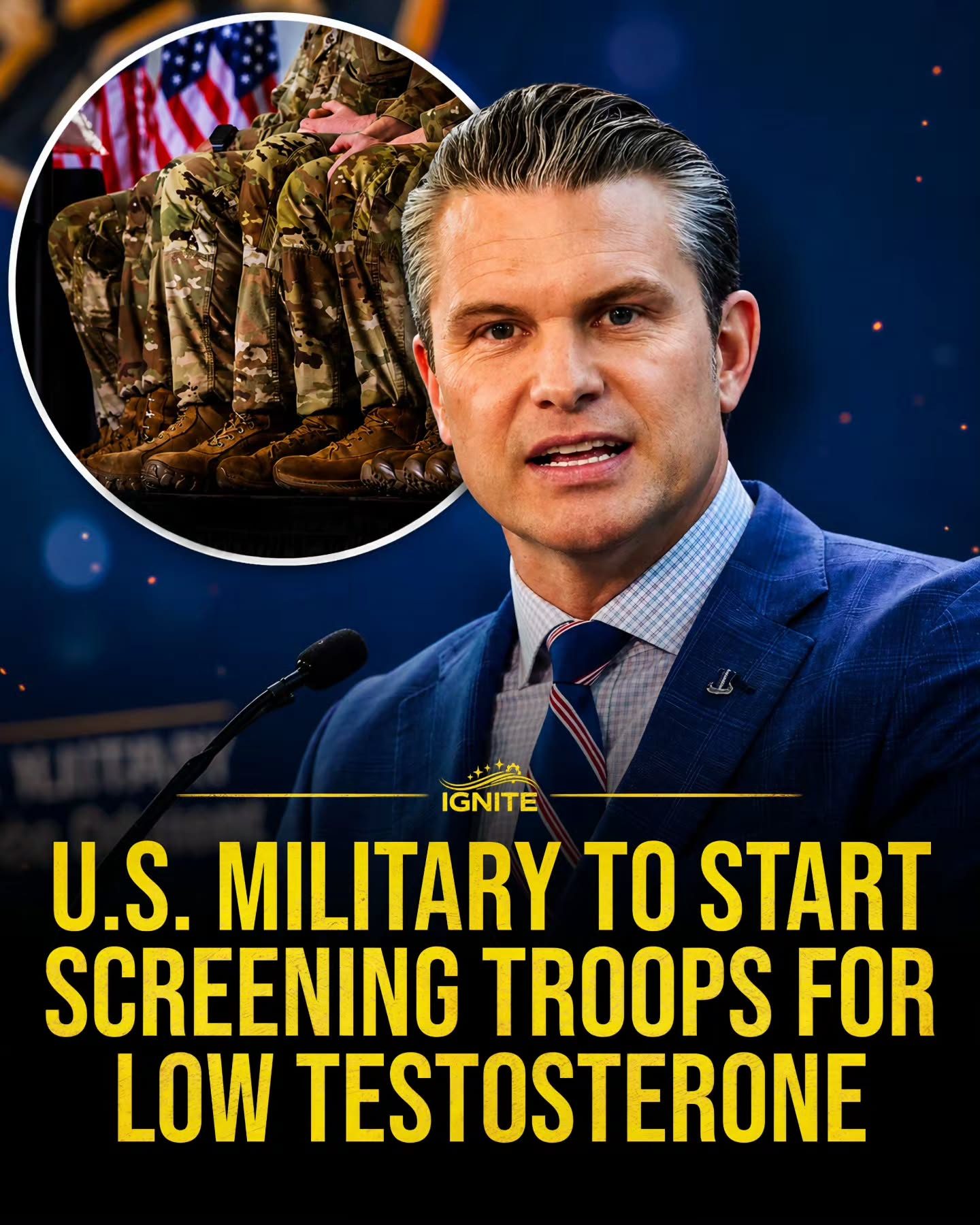
Military Screening for Low Testosterone
The U.S. Military is implementing a significant initiative to screen troops for low testosterone levels. This program, which is being promoted by the company IGNITE, aims to ensure the health and readiness of military personnel. The move underscores the importance of hormone health in maintaining the physical and mental fitness of troops.
Why This Matters
Low testosterone levels can have a profound impact on an individual's overall well-being, affecting everything from muscle mass and bone density to energy levels and mood. For military personnel, who often face high-stress situations and demanding physical tasks, maintaining optimal hormonal health is crucial. By screening for low testosterone, the military can identify and address potential health issues before they become more serious, ensuring that troops remain fit for duty.
Main Discussion
Understanding Testosterone and Its Role in the Body
Testosterone is a hormone that plays a vital role in both men and women, although it is more commonly associated with men. In the body, testosterone is responsible for a wide range of functions, including:
-
Muscle Development and Maintenance: Testosterone is essential for building and maintaining muscle mass, which is critical for the physical demands of military service.
-
Bone Density: Adequate testosterone levels help maintain bone density, reducing the risk of fractures and osteoporosis.
-
Energy and Mood: Testosterone influences energy levels and can affect mood, motivation, and overall well-being. Low testosterone can lead to fatigue, depression, and a lack of motivation.
-
Sexual Health: Testosterone is also crucial for sexual health and libido, which can impact overall quality of life.
The Impact of Low Testosterone on Military Personnel
For military personnel, low testosterone can have severe consequences. Physical fitness is a cornerstone of military readiness, and low testosterone levels can impair strength, endurance, and overall performance. Additionally, the psychological toll of low testosterone can affect a soldier's mental resilience, which is crucial in high-stress combat situations.
Military personnel often face unique challenges, including prolonged deployments, physical exertion, and the psychological strain of combat. These factors can contribute to hormonal imbalances, making regular screenings for testosterone levels all the more important.
The IGNITE Initiative
IGNITE, the company behind this initiative, is known for its focus on health and wellness, particularly in the areas of hormonal balance and overall well-being. Their involvement in the military screening program highlights their commitment to supporting the health and readiness of military personnel. IGNITE's expertise in this area is expected to provide valuable insights and support to the military as they implement this new screening program.
Practical Tips
While the military screening program is a significant step, there are also practical steps individuals can take to maintain healthy testosterone levels:
-
Regular Exercise: Engage in regular physical activity, particularly strength training, which can naturally boost testosterone production.
-
Balanced Diet: Maintain a diet rich in proteins, healthy fats, and essential vitamins and minerals. Foods like red meat, eggs, and leafy greens are excellent sources of these nutrients.
-
Adequate Sleep: Ensure you get enough sleep, as testosterone production occurs primarily during deep sleep.
-
Stress Management: Manage stress levels through techniques such as meditation, yoga, or other relaxation methods. Chronic stress can negatively impact hormonal balance.
-
Avoiding Harmful Substances: Limit alcohol consumption and avoid smoking, as these substances can lower testosterone levels.
Important Takeaways
-
The U.S. Military is taking proactive steps to ensure the health and readiness of its troops by screening for low testosterone levels.
-
Low testosterone can have significant impacts on physical and mental health, making it a critical issue for military personnel.
-
The initiative, promoted by IGNITE, underscores the importance of maintaining optimal hormonal health for military readiness.
-
Individuals can take practical steps to maintain healthy testosterone levels, including regular exercise, a balanced diet, adequate sleep, and stress management.
Conclusion
The U.S. Military's initiative to screen troops for low testosterone levels is a significant development in ensuring the health and readiness of military personnel. With the support of IGNITE, this program aims to address a critical aspect of soldier health, ensuring that troops are physically and mentally fit for service. By understanding the role of testosterone and taking proactive steps to maintain hormonal balance, both military personnel and civilians can enhance their overall well-being and performance.
Questions readers ask
Why is the U.S. Military screening for low testosterone levels in troops?
The U.S. Military is screening for low testosterone to ensure the overall health and readiness of its personnel. Low testosterone can affect physical performance, mental well-being, and overall fitness, which are crucial for military duties.
What is the IGNITE program, and how does it relate to this screening?
The IGNITE program is a supportive initiative that promotes the screening and maintenance of optimal hormone health in military personnel. The U.S. Military has partnered with IGNITE to implement this screening program, aiming to address potential health issues early and maintain troop readiness.
What are the potential impacts of low testosterone on military personnel?
Low testosterone can significantly affect military personnel by reducing muscle mass, lowering bone density, decreasing energy levels, and impacting mood. These factors are particularly important in a military context, where physical and mental fitness are paramount.
How will this screening benefit the military's overall readiness?
By screening for and addressing low testosterone levels, the military can enhance the overall fitness and health of its personnel. This proactive approach helps to prevent potential health issues, ensuring that troops are in optimal condition for their demanding roles.
What happens after a soldier is identified with low testosterone levels?
Once identified, soldiers with low testosterone levels will likely undergo further evaluation and potential treatment to restore their hormonal balance. The specific treatment plan will depend on the individual's health profile and the severity of the deficiency.
Will this screening be mandatory for all military personnel?
The specifics of the screening program, including its mandatory status, have not been fully detailed. However, given the importance of maintaining troop health and readiness, it is expected that participation will be strongly encouraged or required for all personnel.
How does hormone health relate to the physical and mental fitness of soldiers?
Hormone health, particularly testosterone levels, plays a critical role in maintaining physical strength, endurance, and mental resilience. For soldiers, this means better performance in physically demanding tasks and improved ability to handle stress and maintain mental clarity.
Related deep dives
Similar reads based on topic and creator.



Recent articles
Fresh deep dives from the latest Reels we unpacked.




Comments
Be the first to comment.