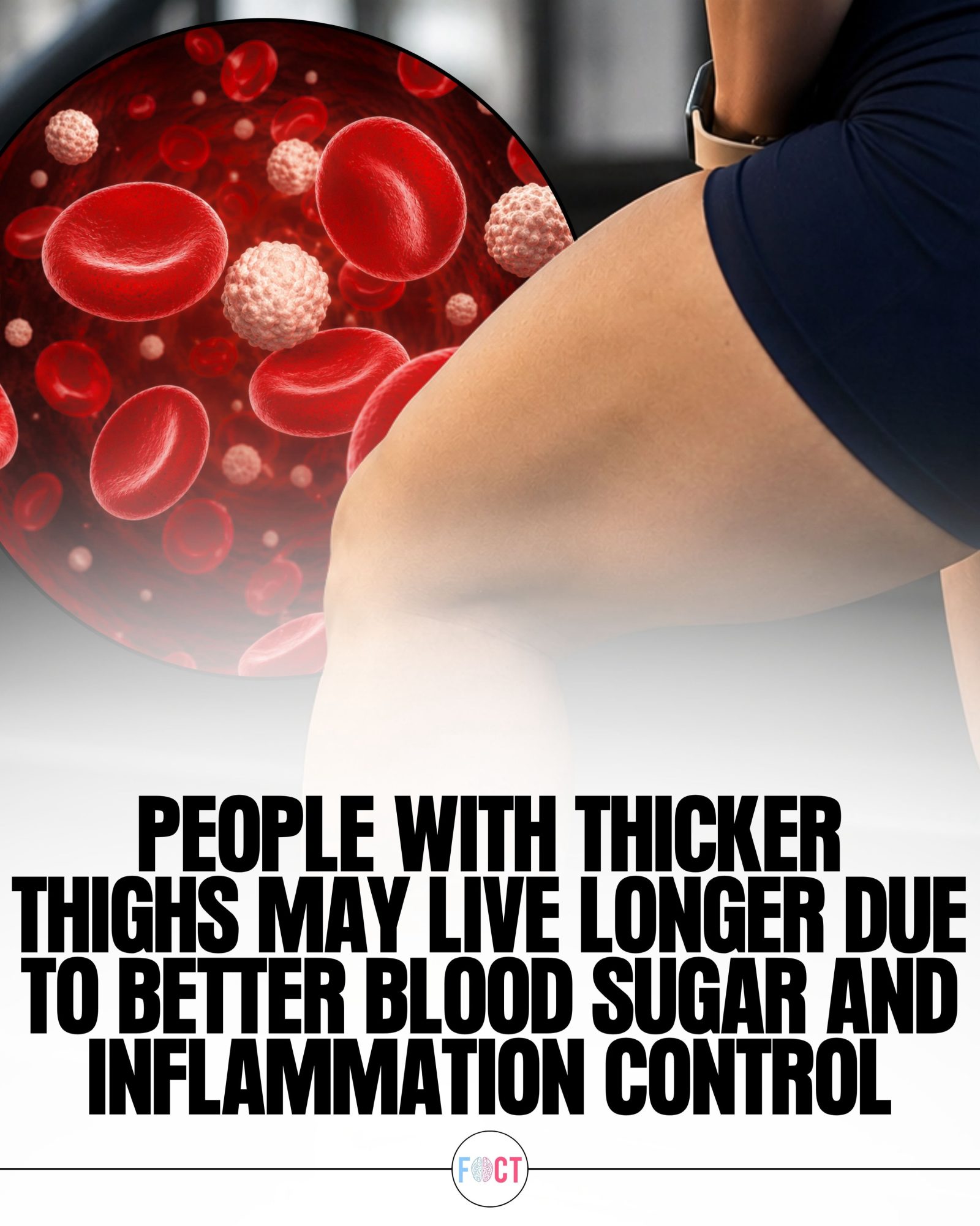
Thigh Size and Its Link to Metabolic Health
Thigh size isn't just a matter of aesthetics; it may also be an indicator of metabolic health. Recent research suggests that thigh circumference could be linked to longevity and reduced risk of heart disease. Let's explore how thigh size, muscle distribution, and overall health interact, and what this means for your well-being.
Context: Why This Matters
The phrase "thick thighs save lives" has gained popularity as a joke, but it turns out there might be some truth to it. Understanding the science behind this claim can provide insights into how our bodies manage glucose, inflammation, and overall health. This knowledge can help us make informed decisions about our fitness and nutrition.
The Science Behind Thick Thighs and Health
Thigh Circumference and Cardiovascular Risk
Research has shown that people with smaller thigh measurements may face a higher risk of cardiovascular disease and premature death. This correlation was observed even after accounting for factors like body fat, smoking, and cholesterol. Specifically, individuals with thigh measurements under about 60 cm showed an elevated risk. This finding underscores the idea that body shape can offer a more nuanced story about health than weight alone.
The Role of Muscle in Glucose Management
Thighs are home to some of the body's largest muscles, which play a significant role in glucose management. More lower-body muscle can enhance insulin sensitivity, allowing the body to move sugar from the bloodstream more efficiently. This is crucial because poor blood sugar control and insulin resistance are linked to type 2 diabetes, inflammation, and cardiovascular problems.
Inflammation and Metabolic Health
Inflammation is a key factor in metabolic health. Studies have found that individuals with thicker thighs, particularly when the size reflects muscle mass, may experience reduced inflammation. This reduction can contribute to better metabolic health and a lower risk of chronic diseases. The connection between thigh size, muscle distribution, and inflammation highlights the importance of overall body composition in maintaining health.
Risk Factors and Overall Health
It's important to note that thigh size is just one piece of the puzzle. Waist size, fitness level, diet, genetics, and activity levels all play significant roles in overall health. While larger thighs may indicate better metabolic health in some cases, it's not accurate to say that every larger thigh automatically means perfect health. Similarly, smaller thighs do not universally indicate poor health. The relationship between body shape and health is complex and multifaceted.
The Difference Between Thigh Size and Muscle
The relationship between thigh size and health is not as simple as "bigger is better." It's the composition of the thigh that matters. Thighs with more muscle mass are generally associated with better metabolic health, while thighs with more fat may not offer the same benefits. Therefore, focusing on muscle development through exercise, especially lower-body workouts, can be beneficial for overall health.
Practical Tips for Improving Metabolic Health
-
Incorporate Lower-Body Exercises: Focus on exercises that target the thighs, such as squats, lunges, and leg presses. Building muscle in the lower body can improve insulin sensitivity and glucose management.
-
Maintain a Balanced Diet: Consuming a diet rich in lean proteins, whole grains, and healthy fats can support overall metabolic health. Pay attention to portion sizes and avoid processed foods.
-
Stay Active: Engage in regular physical activity, including both cardiovascular exercises and strength training. This can help maintain a healthy body composition and reduce inflammation.
-
Monitor Waist Size: Keep an eye on your waist circumference, as it can be a better indicator of metabolic health than weight alone. Aim for a waist-to-hip ratio within the healthy range.
-
Regular Check-Ups: Regular medical check-ups can help monitor blood sugar levels, cholesterol, and other metabolic health markers. Early detection of any issues can lead to timely intervention.
Important Takeaways
-
Thigh Size and Metabolic Health: Research suggests that individuals with thicker thighs, especially when the size reflects muscle, may have better metabolic health. While this does not mean that larger thighs guarantee good health, it indicates that body composition plays a role.
-
Role of Muscle: Muscles in the thighs help manage glucose more efficiently, which is crucial for preventing type 2 diabetes, inflammation, and cardiovascular problems.
-
Holistic Approach: Overall health is influenced by multiple factors, including waist size, fitness level, diet, genetics, and activity levels. Focusing on a balanced approach to fitness and nutrition is key.
Conclusion
The relationship between thigh size, muscle distribution, and metabolic health is a complex but fascinating area of research. Understanding these connections can help us make more informed decisions about our fitness and nutrition. By focusing on lower-body muscle development, maintaining a balanced diet, and staying active, we can support our overall health and well-being. So, the next time you hear the phrase "thick thighs save lives," remember that there might be more truth to it than you think.
Questions readers ask
How does thigh size impact metabolic health?
Thigh size, particularly larger circumference, has been linked to improved metabolic health. This includes better glucose management, reduced inflammation, and a lower risk of heart disease. The muscle in the thighs plays a significant role in how the body processes sugars and fats, contributing to overall metabolic efficiency.
What are the cardiovascular benefits of having larger thighs?
Research indicates that individuals with larger thigh size may experience a reduced risk of cardiovascular diseases. This is due to the improved metabolism and better management of blood sugar levels, which are crucial factors in maintaining heart health. More muscle in the thighs can also help regulate inflammation, which is a key factor in cardiovascular health.
How does thigh muscle contribute to better health?
Thigh muscle plays a critical role in managing blood sugar levels by aiding in the uptake of glucose from the bloodstream. This helps in maintaining stable blood sugar levels and reducing the risk of type 2 diabetes. Additionally, stronger thigh muscles can improve overall mobility and reduce the risk of injuries, contributing to better long-term health.
Can thigh size influence the risk of diseases like diabetes?
Yes, thigh size can influence the risk of diseases such as type 2 diabetes. Larger thighs, particularly those with more muscle, are associated with better glucose management. This means that the body is more efficient at processing sugars, which can lower the risk of developing diabetes and other metabolic disorders.
What is the relationship between thigh fat and cardiovascular health?
While the relationship is complex, research suggests that subcutaneous fat in the thighs may be less harmful than visceral fat found around vital organs. This fat can act as an energy reserve and may have a protective effect on cardiovascular health. However, it's important to maintain a balanced approach to body composition rather than focusing solely on thigh size.
How does thigh size relate to longevity?
Studies have shown that individuals with larger thigh sizes, particularly those with more muscle, tend to have a lower risk of mortality. This is likely due to the improved metabolic health and reduced risk of chronic diseases associated with thicker thighs, which contribute to overall longevity and well-being.
What can I do to improve my thigh size and overall health?
To improve thigh size and overall health, focus on a balanced diet and regular exercise. Incorporate resistance training to build muscle in the thighs, which can enhance metabolism and improve glucose management. Additionally, engage in regular cardiovascular exercises to support overall heart health and maintain a healthy body composition.
Related deep dives
Similar reads based on topic and creator.




Recent articles
Fresh deep dives from the latest Reels we unpacked.




Comments
Be the first to comment.