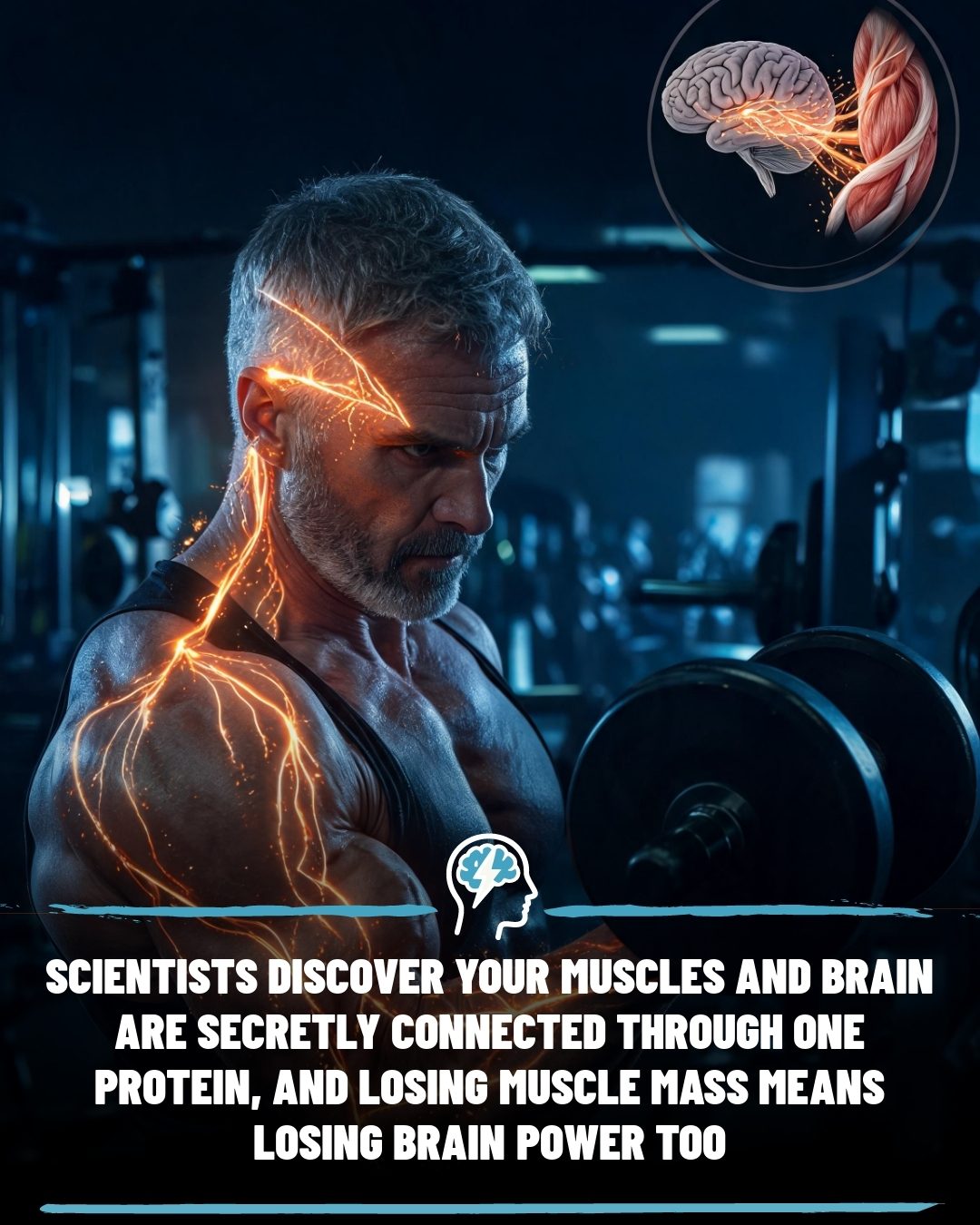
Muscle and Brain Connection: Unveiling the Surprising Link
The connection between muscles and the brain has been a hot topic in the fitness and neuroscience communities. Recent research reveals that the relationship between muscle health and brain function is more profound than previously thought. Understanding this link can offer valuable insights into maintaining both physical and cognitive health as we age.
Why This Matters
The physical state of your body mirrors your brain's health. As muscles decline, so do various cognitive functions. This interconnectedness means that taking care of your muscles can have a direct impact on your mental acuity. For individuals looking to maintain both physical fitness and mental sharpness, this research provides practical strategies to achieve holistic well-being.
The Science Behind the Connection
The Role of BDNF
Brain-derived neurotrophic factor (BDNF) is a protein that plays a crucial role in the growth, survival, and branching of new neurons. Initially, scientists believed that BDNF was primarily produced by the central nervous system. However, new findings indicate that muscles also produce BDNF during physical exertion and resistance training.
How Muscles Produce BDNF
When muscles are engaged in activities like weightlifting or resistance training, they release BDNF into the bloodstream. This protein can cross the blood-brain barrier and directly influence brain function. Higher levels of BDNF have been linked to better memory, faster learning, and overall cognitive performance.
Muscle Loss and Cognitive Decline
Sarcopenia, the age-related loss of muscle mass, is closely associated with cognitive impairment. As muscle fibers shrink, the production of neuroprotective chemicals, such as BDNF, decreases. This decline leads to a thinning of gray matter in the brain, which affects various cognitive functions, including:
Short-Term Memory and Processing Speed
Individuals with sarcopenia often experience difficulties in recalling recent events and processing information quickly. This cognitive decline can significantly impact daily tasks and decision-making abilities.
Planning and Problem-Solving
Muscle loss can also affect higher-order cognitive functions like planning and problem-solving. These skills are essential for navigating complex situations and making informed decisions.
Spatial Awareness and Coordination
Maintaining muscle mass is crucial for preserving spatial awareness and coordination. As muscle health declines, so does the brain's ability to process spatial information and coordinate movements efficiently.
Practical Tips for Maintaining Muscle and Brain Health
Incorporate Resistance Training
Engaging in resistance training, such as weightlifting and bodyweight exercises, can trigger a surge in BDNF production. These activities not only build muscle but also stimulate new neural connections, supporting both physical and mental health.
Maintain a Balanced Diet
A balanced diet rich in proteins, vitamins, and minerals is essential for muscle health. Proper nutrition supports muscle growth and maintenance, ensuring that your body produces adequate levels of BDNF.
Stay Active
Regular physical activity, including both resistance training and cardiovascular exercises, promotes overall health and well-being. Staying active helps maintain muscle mass and supports brain function.
Prioritize Rest and Recovery
Adequate rest and recovery are crucial for muscle growth and brain health. Ensure you get enough sleep and allow your body time to recuperate between workouts.
Important Takeaways
The connection between muscle and brain health underscores the importance of a holistic approach to wellness. By focusing on maintaining muscle mass through resistance training and a balanced diet, you can support both physical fitness and cognitive function. Understanding this link empowers individuals to take proactive steps towards a healthier, more resilient body and mind.
Conclusion
The surprising link between muscle and brain health offers valuable insights into maintaining overall well-being. By prioritizing muscle health through resistance training and proper nutrition, individuals can support their cognitive function and maintain mental sharpness. Embrace this new understanding of the body-mind connection to foster a healthier, more resilient lifestyle.
Questions readers ask
How does muscle exercise improve brain function?
Exercise stimulates the release of specific proteins from muscles, such as irisin and BDNF, that travel to the brain and enhance cognitive functions, including memory, focus, and overall mental clarity. This is why engaging in regular physical activity is beneficial for maintaining sharp mental functioning.
What types of exercises are best for boosting brain power?
Resistance training, such as weightlifting or bodyweight exercises, is particularly effective. These exercises promote muscle growth and strength, leading to increased production of proteins that support brain health. Incorporating resistance training into your routine can significantly enhance cognitive function over time.
Can muscle decline affect cognitive abilities?
Yes, as muscle mass and strength decrease, particularly with age, various cognitive functions can also decline. This includes memory, attention, and processing speed. Regular exercise and muscle maintenance can help mitigate these effects, keeping both your body and mind in better shape.
What are some practical strategies to maintain muscle health and brain power?
Engage in a balanced exercise routine that includes muscle-strengthening activities and aerobic exercises. Maintaining a protein-rich diet can also support muscle growth and repair, which in turn, benefits brain health. Consistency is key, so aim for regular physical activity throughout the week.
Are there specific proteins released by muscles that impact brain health?
Yes, proteins like irisin and BDNF are released during muscle activity and play a significant role in brain health. Irisin helps in converting white fat into brown fat, which can improve overall metabolic health. BDNF, or brain-derived neurotrophic factor, promotes the growth and maintenance of neurons, enhancing cognitive function.
How does resistance training benefit cognitive function?
Resistance training not only builds muscle but also increases the production of neurotrophic factors, which support neuron growth and survival. Regular resistance training has been linked to improved memory, better executive function, and enhanced overall cognitive performance. It is a powerful tool for maintaining mental sharpness.
How quickly can I see improvements in brain power from muscle exercise?
While individual results may vary, many people notice improvements in mood and energy levels within a few weeks of starting a regular exercise routine. Cognitive benefits, such as improved memory and focus, can become more apparent after a few months of consistent physical activity. Long-term adherence to a balanced exercise plan can lead to significant improvements in mental clarity and brain health.
Related deep dives
Similar reads based on topic and creator.




Recent articles
Fresh deep dives from the latest Reels we unpacked.




Comments
Be the first to comment.