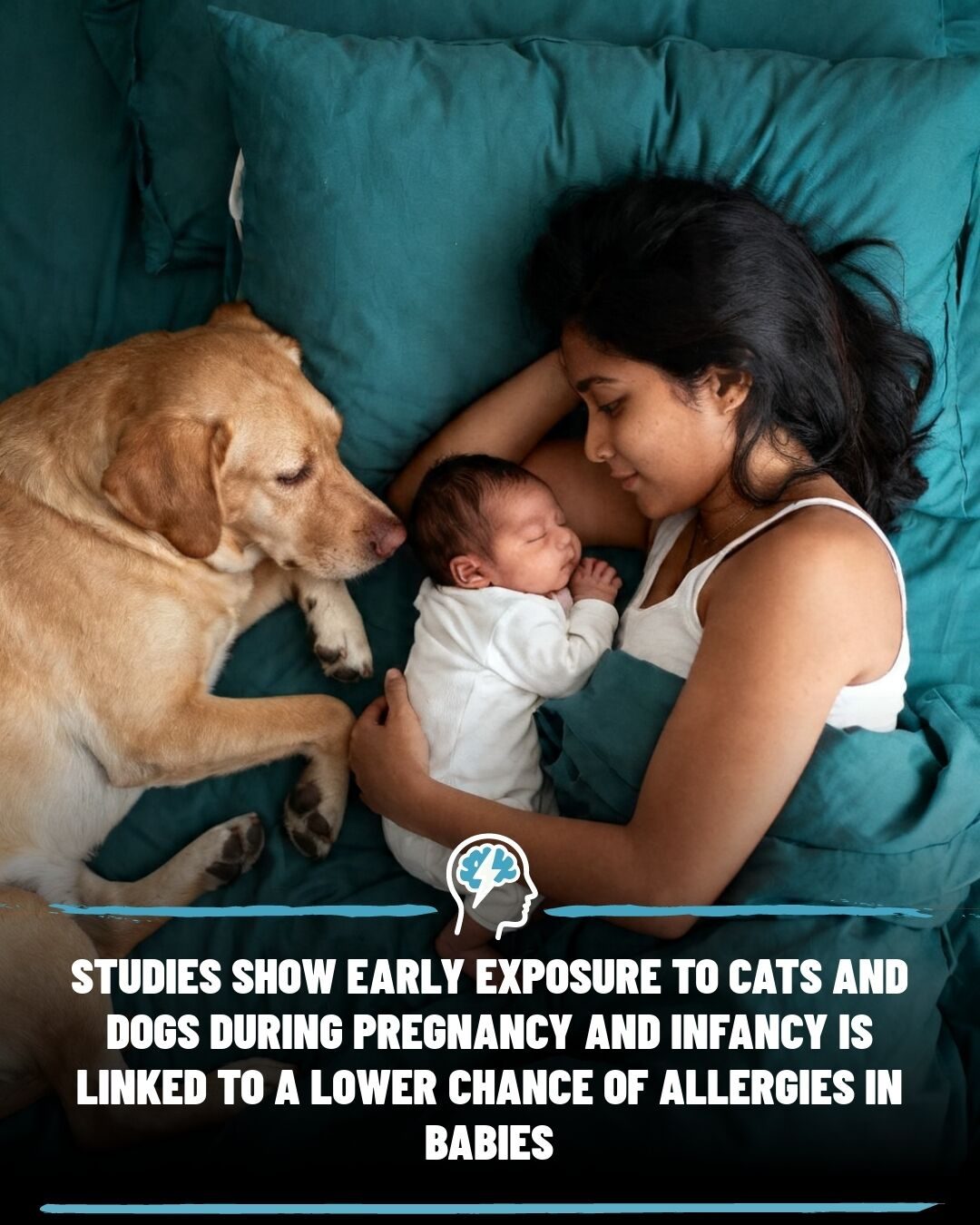
Pregnancy and Allergies: The Surprising Role of Early Pet Exposure
Growing up with pets may actually help protect kids from allergies and asthma. This might seem counterintuitive, but research suggests that early exposure to dogs and cats during infancy can train a child's immune system in ways that reduce the risk of allergic diseases later in life.
Context: Why This Matters
Allergies and asthma are common health issues that can significantly impact a child's quality of life. Understanding how early pet exposure can influence a child's immune system is crucial for parents and caregivers. This knowledge can help inform decisions about pet ownership and family planning, potentially leading to healthier outcomes for children.
The Science Behind Early Pet Exposure
The Hygiene Hypothesis
The connection between pet exposure and lowered allergy risk is rooted in the hygiene hypothesis. This theory proposes that early exposure to microbes and endotoxins, which pets naturally carry, helps calibrate a developing immune system. Essentially, this exposure provides the immune system with a form of training, teaching it to differentiate between harmless substances and true threats.
Key Findings from Research
A study published in PLOS ONE revealed a dose-dependent pattern: children exposed to more household pets during their first year of life showed progressively lower allergy rates. Notably, children with five or more pets had a zero percent allergy rate, compared to 49% of children raised without pets. This stark contrast highlights the potential benefits of early pet exposure.
The Critical Window
While some headlines suggest that the protective effects start in the womb, research shows a more nuanced picture. The strongest evidence points to the first year of life as the critical window for beneficial pet exposure. Prenatal exposure does show some changes in antibody levels, but the meaningful protective effects emerge after birth. This nuanced understanding is important for parents planning their family's environment.
Practical Tips for Parents
Introducing Pets to the Family
If you are expecting a baby and already have pets, this research offers reassurance. Early pet exposure does not appear to increase allergy risk and may actually help. If you are considering adopting a pet, it might be worth discussing with your healthcare provider, especially if allergies run in your family. It's essential to remember that results vary by individual, and many factors influence allergy development.
Creating a Safe Environment
When introducing a pet to your family, especially with a newborn, focus on maintaining a clean and safe environment. Regularly groom your pets, keep their living spaces clean, and ensure they are up-to-date on vaccinations and parasite prevention. This way, you can enjoy the benefits of pet ownership while minimizing potential risks.
Balancing Benefits and Risks
While the research is promising, it's important to balance the potential benefits with individual family circumstances. For some, having a pet might not be feasible, and that's okay. The key is to make informed decisions based on your family's specific needs and circumstances. If you do decide to adopt a pet, do so with the understanding that it can be a rewarding experience for both you and your child.
Important Takeaways
Early exposure to pets during infancy can significantly reduce the risk of allergies and asthma in children. This is due to the hygiene hypothesis, which suggests that exposure to microbes and endotoxins helps train the immune system. The most critical window for this exposure is the first year of life, and the benefits do not appear to start in the womb.
Conclusion
Incorporating pets into your family dynamic during your child's infancy can provide long-lasting health benefits. Understanding the science behind this phenomenon can help you make informed decisions about pet ownership and family planning. Whether you already have pets or are considering adopting one, this knowledge can guide you in creating a healthier environment for your growing family.
Related deep dives
Similar reads based on topic and creator.




Recent articles
Fresh deep dives from the latest Reels we unpacked.




Comments
Be the first to comment.