Airline Incident: A Passenger's Claim and the Industry's Response
A man's harrowing experience while flying has sparked a conversation about airline safety and customer support. The passenger, who was reportedly 'sucked out of a plane', is recovering from injuries sustained during the incident. The case has gained traction, particularly with the airline's response to the situation.
Context / Why this matters
Air travel is a remarkable feat of modern engineering, allowing millions to traverse the globe daily. However, incidents like these highlight the potential risks and the importance of safety measures. Such events also underscore the role of customer support in managing post-incident communication and support.
Main discussion
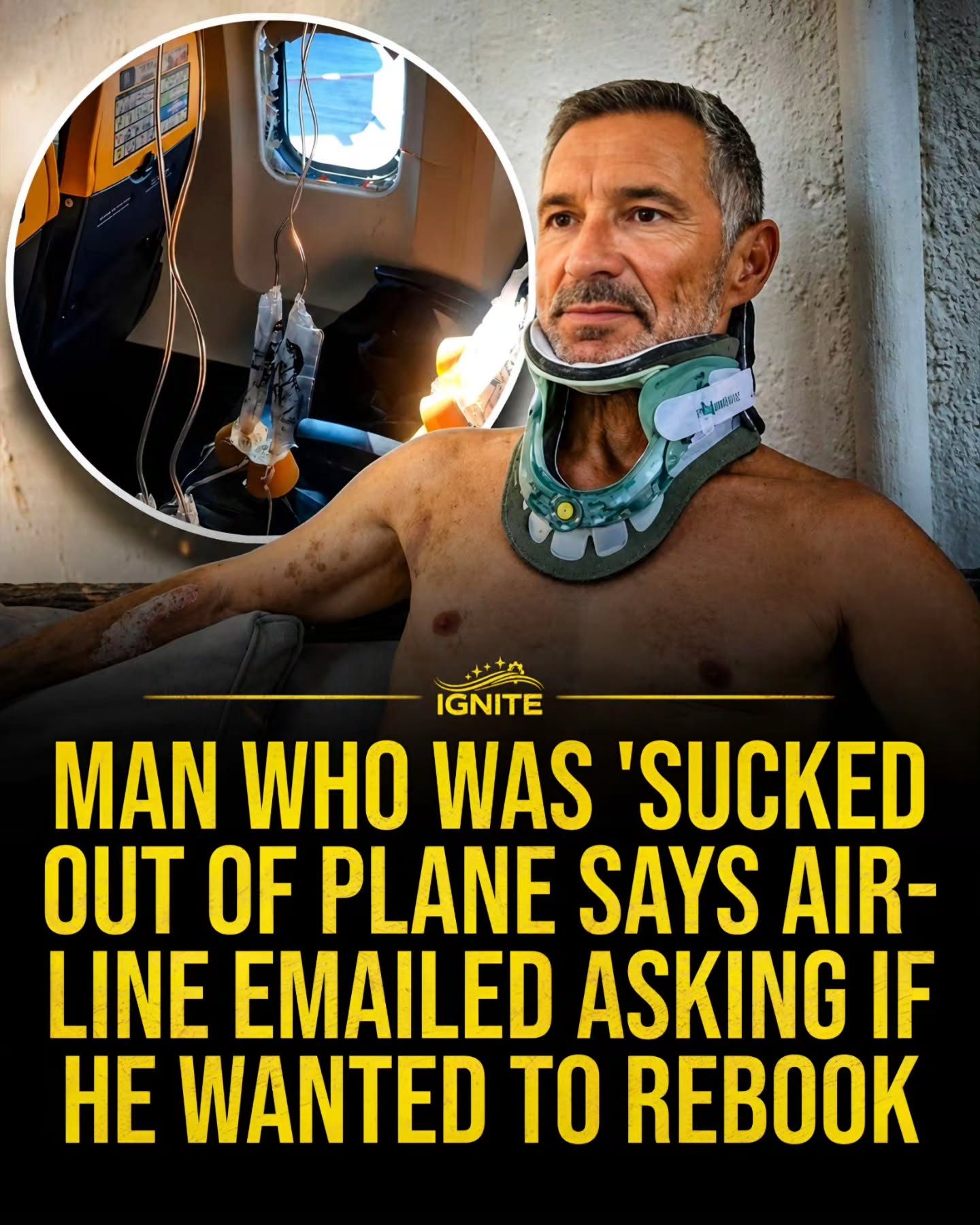
The video depicts a man with visible injuries, including a neck brace and medical equipment, indicating a serious incident. Text overlays from the IGNITE news report detail the incident and the airline's follow-up. The man claims he received an email from the airline asking if he wanted to rebook after the ordeal. This incident raises several questions about airline safety protocols and the effectiveness of customer support systems.
Understanding the Incident
Details about the incident are sparse, but the implications are clear. The term 'sucked out of a plane' suggests a sudden decompression event, which can occur when there is a rapid change in air pressure. This is a rare but severe scenario that can cause significant injuries. In such cases, passengers and crew must be prepared with emergency oxygen masks and instructions to secure themselves.
The Airline's Response
The fact that the airline sent an email inquiring about rebooking rather than offering immediate support or assistance is conspicuous. This raises questions about the airline's crisis management protocols. The email might be a standard response, but it appears insensitive and has the potential to exacerbate the situation.
Industry Standards and Best Practices
Airlines have stringent safety protocols in place to prevent such incidents, but human error and mechanical faults can still occur. Here, we examine the standard procedures and safety measures airlines should implement:
- Pre-Flight Checks: Rigorous inspections of all aircraft components, focusing on the fuselage and cabin.
- Emergency Procedures Training: Regular training for crew and passengers on how to handle decompression and other emergencies.
- Post-Incident Communication: Clear, empathetic communication with affected passengers.
- Legal and Ethical Considerations: The airline’s email suggests a need for reviewing their post-incident communication protocols. A well-crafted response that addresses the passenger's immediate needs and concerns is critical.
Practical tips
For Passengers
In the event of a sudden decompression:
- Stay Calm and Secure Your Mask: Put on your oxygen mask immediately and help children or those nearby.
- Follow Crew Instructions: Listen carefully to the crew's instructions.
- Secure Yourself: Fasten your seatbelt tightly and stay in your seat.
For Airlines
Effective crisis management strategies include:
- Immediate Support: Provide immediate medical and psychological support to affected passengers.
- Transparent Communication: Clear, empathetic, and transparent communication with passengers and the public.
- Comprehensive Training: Ensuring crew are well-trained in handling such incidents and communicating with affected passengers.
Important takeaways
The man's claim of being 'sucked out of a plane' highlights several critical points:
- Safety is Paramount: Even with stringent safety protocols, unforeseen incidents can occur.
- Customer Support is Crucial: Post-incident communication and support must be handled with care.
- Industry Standards: Airline protocols need to be continuously reviewed and improved to ensure passenger safety and satisfaction.
Conclusion
This incident serves as a reminder of the ever-present risks in air travel and the need for robust safety measures. It also highlights the importance of a compassionate and effective response from airlines. While air travel remains one of the safest modes of transportation, ongoing vigilance and improvement in safety protocols and communication strategies are essential.
Questions readers ask
What should a passenger do if they witness or experience a plane injury?
If you witness or experience a plane injury, immediately notify the flight crew. They are trained to handle medical emergencies and will ensure that the passenger receives the necessary medical assistance. Additionally, document the incident as best as you can, including taking note of the date, time, and any details of what occurred.
How do airlines typically handle customer support after an incident?
After an incident, airlines usually have a customer support plan in place. This often involves reaching out to the affected passenger via email or phone, offering support, and addressing any concerns or issues that may arise. The airline's response may include offering compensation, arranging medical support, and providing assistance with future travel arrangements.
What are common airline safety protocols to prevent such injuries?
Airlines implement various safety protocols to prevent injuries. These include regular maintenance of the aircraft, thorough checks of all safety equipment, and strict adherence to emergency procedures. Airlines also train their crew to handle medical emergencies and other unforeseen situations. Additionally, passengers are advised to follow safety instructions and use the necessary medical equipment available on the flight.
What should I do if I need to rebook a flight due to an incident?
Contact the airline's customer service immediately to report the incident and your need to rebook. Provide them with all the relevant details, including your booking reference and a brief description of what happened. The airline should assist you in rescheduling your flight and may offer additional support if the incident caused significant inconvenience or injury.
How should a passenger report an airline injury claim?
To report an airline injury claim, gather all relevant information, including the date and details of the incident, and any medical records. Contact the airline's customer support or their claims department with this information. You may also need to file a report with the relevant aviation authorities, depending on the severity of the injury and the circumstances.
What kind of compensation can a passenger expect after a plane injury?
Compensation for a plane injury can vary greatly depending on the severity of the injury and the specific policies of the airline. It may include reimbursement for medical expenses, compensation for pain and suffering, and assistance with future travel arrangements. The passenger typically needs to file a claim and provide evidence of the injury and any related expenses.
What steps can airlines take to improve their incident response?
Airlines can improve their incident response by enhancing their communication protocols, ensuring swift and clear updates to passengers, and providing adequate support. This includes having a dedicated team to handle post-incident communications, offering compensation and support services, and reviewing and updating emergency procedures regularly. Additionally, airlines should prioritize the well-being of passengers and ensure that any necessary medical equipment is readily available.
Related deep dives
Similar reads based on topic and creator.




Recent articles
Fresh deep dives from the latest Reels we unpacked.




Comments
Be the first to comment.