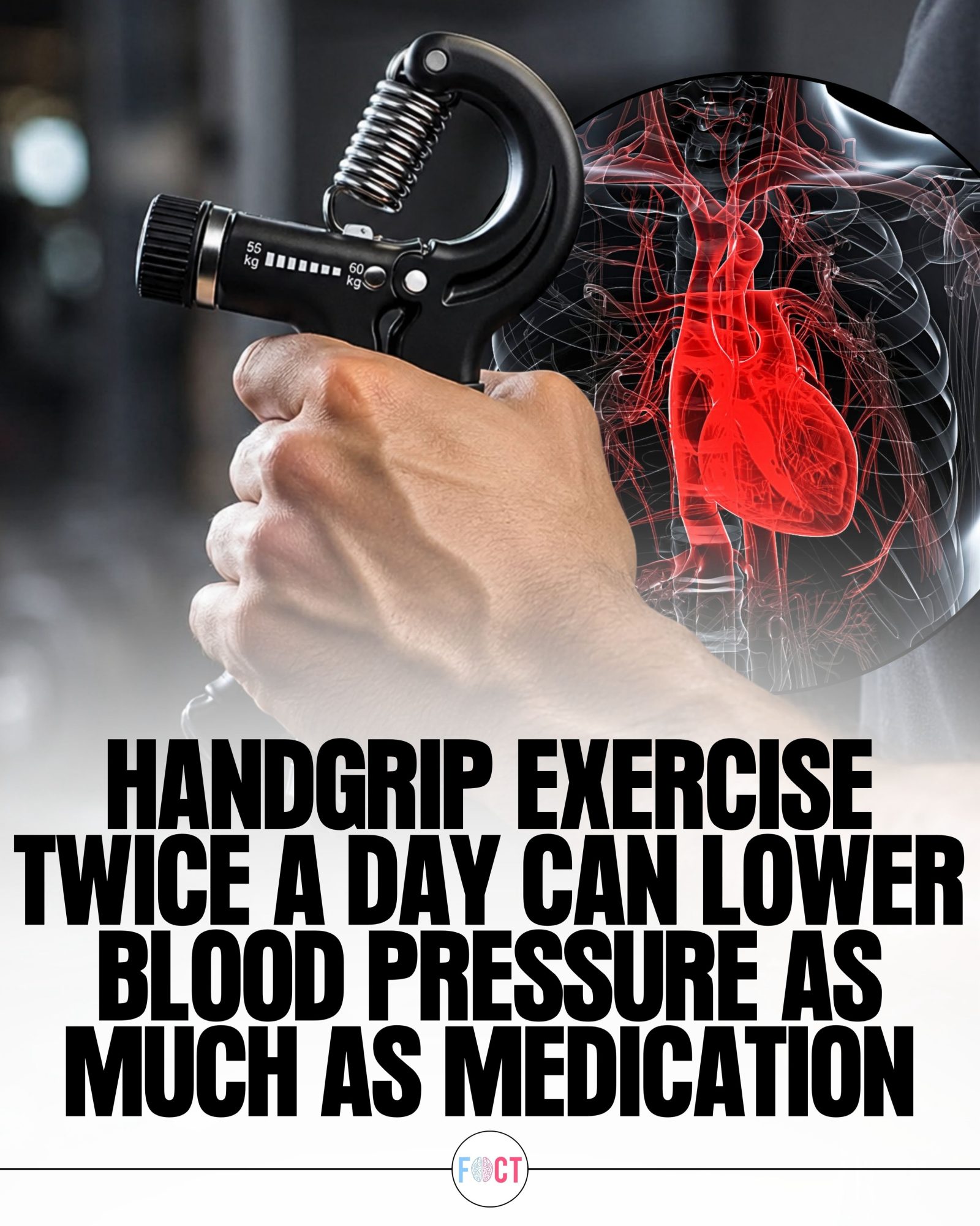
Hand Grip Exercises Benefits for Blood Pressure
Hand grip exercises, particularly isometric handgrip training, offer a surprising benefit: they can help lower blood pressure. This simple yet effective exercise involves squeezing a hand exerciser at a moderate intensity for a few minutes at a time, several times a day, several days a week. The impact on blood pressure, as revealed by multiple meta-analyses, is significant, with systolic blood pressure dropping by around 7 mmHg and diastolic by about 4 mmHg on average. This reduction is comparable to some first-line blood pressure medications, making hand grip exercises a valuable addition to any routine.
Why This Matters
Blood pressure management is crucial for overall health. High blood pressure, or hypertension, can lead to serious health issues, including heart disease, stroke, and kidney problems. Traditional methods of managing blood pressure often include medications and lifestyle changes such as diet and exercise. However, these interventions can sometimes be challenging, costly, or come with unwanted side effects. The accessibility and simplicity of hand grip exercises make them an attractive complementary method for managing blood pressure.
Understanding Isometric Handgrip Training
Isometric handgrip training is a form of exercise that involves static muscle contractions. Unlike dynamic exercises, which involve movement, isometric exercises maintain a static position. In the case of handgrip exercises, this means squeezing a hand exerciser, such as the FOCCT, and holding the position for a set period. This type of exercise has been shown to improve cardiovascular health by enhancing blood vessel dilation and responsiveness, similar to other isometric holds like wall sits and planks.
The Science Behind the Benefits
The mechanism behind the blood pressure-lowering effects of isometric handgrip training is related to how well your blood vessels dilate and respond. Regular sessions of isometric handgrip training can improve blood flow and reduce hypertension by increasing the production of nitric oxide, a molecule that helps blood vessels relax and dilate. This improved vascular function translates to lower blood pressure.
Key Studies and Findings
Multiple meta-analyses have consistently shown that isometric handgrip training can lead to significant reductions in both systolic and diastolic blood pressure. The average drops of 7 mmHg in systolic pressure and 4 mmHg in diastolic pressure are comparable to the effects of some first-line blood pressure medications. These findings suggest that regular handgrip exercise can be a legitimate addition to your routine, even if you are already taking medication, with the understanding that it’s not a substitute for prescribed treatments.
Practical Tips for Incorporating Hand Grip Exercises
Incorporating hand grip exercises into your daily routine is straightforward and requires minimal equipment. Here are some practical tips to get you started:
Choosing the Right Equipment
A good quality hand grip exerciser, like the FOCCT, is essential. Look for one that offers adjustable resistance so you can gradually increase the intensity as your strength improves. Make sure it fits comfortably in your hand and has a non-slip surface for better grip.
Effective Exercise Routine
To achieve the blood pressure-lowering benefits, aim to perform isometric handgrip exercises twice a day, several times a week. Here’s a simple routine to follow:
- Start with a Moderate Intensity: Begin by squeezing the hand gripper to a moderate level of resistance. Hold the squeeze for about 15-30 seconds.
- Releases and Repetitions: Slowly release the grip and repeat for 10-15 repetitions. Rest for a minute or two and then perform another set.
- Increase Frequency: Gradually increase the number of sets and repetitions as your strength improves. Aim for 2-3 sets, 2-3 times a day.
Consistency is Key
Consistency is crucial for seeing the benefits. Make it a habit to perform hand grip exercises at regular intervals throughout the day. For example, you can do a set in the morning, another in the afternoon, and a final set in the evening. Incorporating this into your daily activities, such as while watching TV or during short breaks, can make it easier to stick to the routine.
Important Takeaways
The Impact on Blood Pressure
Hand grip exercises can lower blood pressure by improving blood vessel dilation and responsiveness. This natural method of blood pressure management is accessible, cost-effective, and easy to integrate into daily life.
Individual Results May Vary
It’s important to note that individual results can vary depending on your starting blood pressure and how consistently you practice the exercises. While the overall trend shows significant reductions in blood pressure, individual outcomes can differ.
Complementary, Not Replacement
Hand grip exercises should be considered a complementary method, not a replacement for prescribed medications. If you have been prescribed medication for hypertension, continue taking it as directed by your healthcare provider. Hand grip exercises can enhance the effectiveness of your treatment plan, providing additional support for managing blood pressure.
Conclusion
Hand grip exercises are a simple, effective, and accessible way to manage blood pressure. By incorporating isometric handgrip training into your daily routine, you can experience significant reductions in both systolic and diastolic blood pressure. This low-effort addition to your routine can complement existing treatments and contribute to better overall cardiovascular health. Whether you’re looking to prevent hypertension or manage existing conditions, hand grip exercises offer a practical solution with substantial benefits.
Questions readers ask
How often should I do hand grip exercises to see a reduction in blood pressure?
To experience a reduction in blood pressure, try to incorporate hand grip exercises into your daily routine. Aim for 3-4 sessions per day, with each session lasting around 2-3 minutes. Consistency is key, so make sure to perform these exercises several days a week.
What is the ideal intensity for hand grip exercises to lower blood pressure?
For hand grip exercises to effectively lower blood pressure, squeeze the hand exerciser at a moderate intensity. Aim for around 30% of your maximum voluntary contraction. This means squeezing the exerciser firmly, but not to the point of discomfort or pain.
Can hand grip exercises replace blood pressure medication?
While hand grip exercises can help lower blood pressure, they should not replace prescribed medication without consulting a healthcare professional. Use these exercises as a complementary technique to support your overall blood pressure management strategy.
How long does it take to see results from hand grip exercises on blood pressure?
Results may vary, but many people start to see improvements in their blood pressure readings within a few weeks of consistent hand grip exercise. To maximize benefits, maintain a regular exercise routine and monitor your blood pressure regularly.
Are there any specific hand exercisers recommended for blood pressure management?
Any standard hand exerciser can be used for this purpose. Choose one that provides enough resistance to challenge your hand muscles. Some exercisers have built-in pressure gauges, which can help you maintain the correct intensity during your workouts.
Can hand grip exercises help with diastolic and systolic blood pressure?
Yes, hand grip exercises have been shown to reduce both diastolic and systolic blood pressure. On average, systolic blood pressure can decrease by around 7 mmHg, and diastolic blood pressure by about 4 mmHg with regular practice.
Is it safe to do hand grip exercises if I have arthritis or other hand conditions?
If you have arthritis or other hand conditions, consult with a healthcare provider before starting hand grip exercises. While these exercises are generally safe, it's important to ensure they won't exacerbate any existing conditions or cause discomfort.
Related deep dives
Similar reads based on topic and creator.

Recent articles
Fresh deep dives from the latest Reels we unpacked.




Comments
Be the first to comment.