Sea Turtle Anatomy: The Leatherback's Unique Digestive System
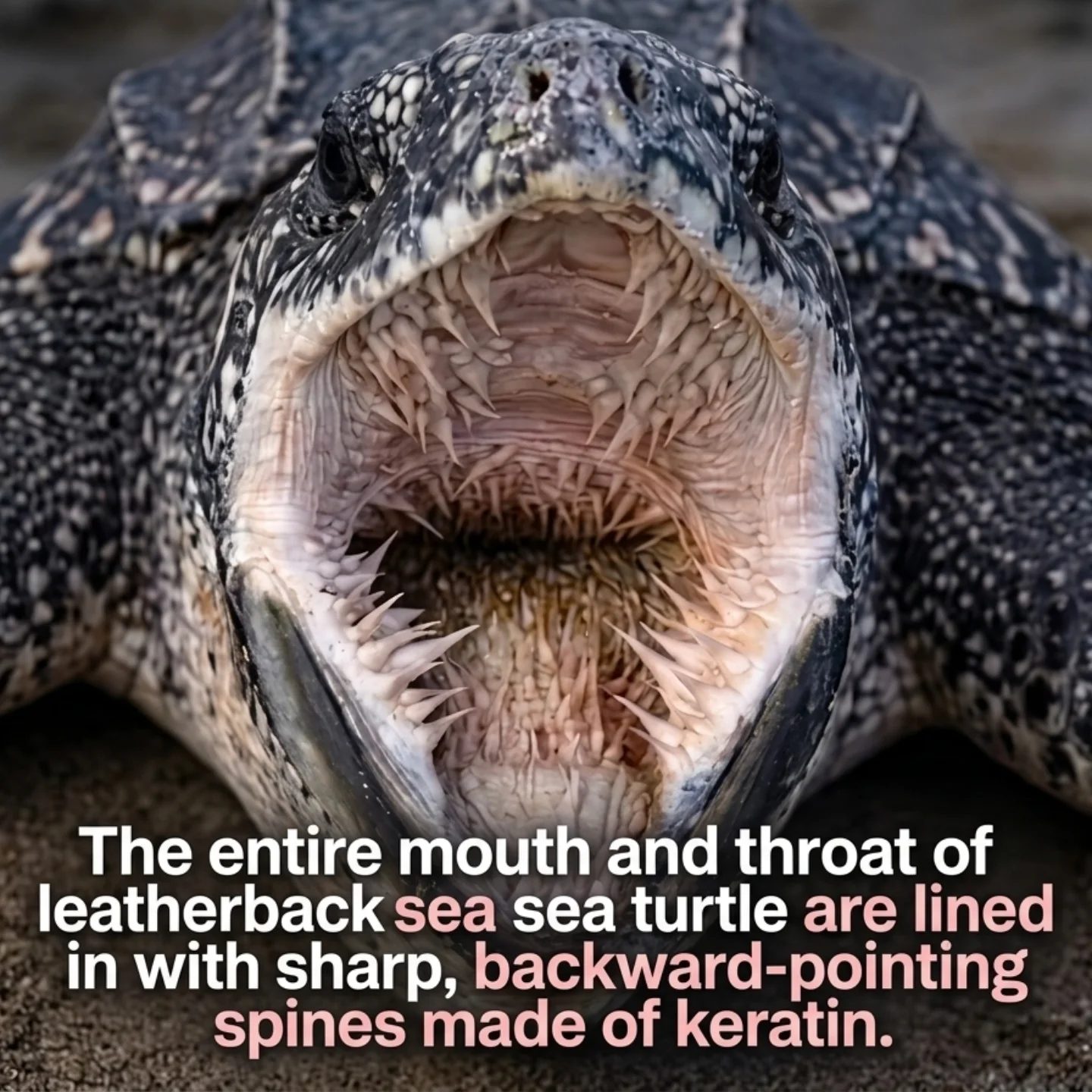
The leatherback sea turtle (Dermochelys coriacea) is renowned for its specialized digestive system, which is crucial for its survival in the marine environment. This system is characterized by hundreds of sharp, backward-pointing spikes known as esophageal papillae. These structures, made of toughened keratin, line the entire length of the mouth and esophagus, serving as a biological one-way valve. This unique adaptation is vital for the leatherback's diet, which consists almost exclusively of slippery, gelatinous prey like jellyfish.
Why This Matters
Understanding the leatherback sea turtle's digestive system is crucial for several reasons. Firstly, it highlights the remarkable adaptations that allow these turtles to thrive in their marine habitat. Secondly, it underscores the environmental challenges they face, particularly from ocean pollution. By delving into the specifics of their anatomy, we can better appreciate the complex interplay between biology and environment.
The Unique Anatomy of the Leatherback Sea Turtle
Esophageal Papillae: Nature's One-Way Valve
The esophageal papillae are a standout feature of the leatherback sea turtle's digestive system. These sharp, backward-pointing spines are made of keratin, the same material that forms human fingernails. Their primary function is to act as a one-way valve, trapping food while allowing excess seawater to be expelled. This is particularly important for a species whose diet consists of slippery, gelatinous prey like jellyfish.
The unique structure of these papillae helps the leatherback sea turtle consume massive quantities of prey—sometimes up to its own body weight in a single day. This high intake is necessary to maintain the energy levels required for its status as the world’s largest and deepest-diving turtle species.
The Role of Keratin
Keratins are fibrous proteins that form the structural basis of hard tissues such as hair, nails, and horns. In the leatherback sea turtle, keratin forms the spines of the esophageal papillae, providing the necessary rigidity and durability to trap prey effectively. This biological material is not only tough but also highly resistant to degradation, making it an ideal choice for such a critical function.
The Leatherback's Diet and Feeding Behavior
A Specialized Diet
The leatherback sea turtle's diet is highly specialized, consisting primarily of jellyfish. This diet requires a unique digestive system capable of capturing and retaining slippery prey while expelling excess seawater. The esophageal papillae play a crucial role in this process, acting as a natural filter and trap for food particles.
Feeding Behavior
Leatherback sea turtles are known for their deep-diving abilities and can dive to depths of over 4,000 feet. Their feeding behavior is equally impressive, allowing them to consume large amounts of prey in a short period. This feeding strategy is essential for maintaining the energy levels required for their long migrations and deep dives.
Environmental Vulnerabilities
The specialized anatomy of the leatherback sea turtle, while a masterpiece of evolutionary engineering, also presents significant environmental vulnerabilities. The downward-facing orientation of the esophageal papillae means that once something is swallowed, it cannot be regurgitated. This becomes a fatal flaw when the turtle mistakes floating plastic debris for jellyfish. Once plastic enters the esophagus, the papillae lock it in place, leading to inevitable digestive blockages and often, the turtle's death.
The Impact of Ocean Pollution
Ocean pollution, particularly plastic waste, poses a significant threat to leatherback sea turtles. The misidentification of plastic as jellyfish by these turtles leads to ingestion and subsequent digestive blockages. This issue is exacerbated by the fact that the turtles cannot expel the ingested plastic, making it a critical environmental concern.
Practical Tips for Conservation
Reducing Plastic Waste
One of the most effective ways to protect leatherback sea turtles is by reducing plastic waste. This can be achieved through initiatives such as beach clean-ups, promoting the use of reusable products, and improving waste management practices. Every effort to keep our oceans clean can make a difference.
Supporting Conservation Efforts
Supporting organizations dedicated to sea turtle conservation can also help protect these remarkable creatures. These organizations often work on habitat restoration, anti-pollution campaigns, and research to better understand and protect sea turtles.
Important Takeaways
- Unique Anatomy: The leatherback sea turtle's esophageal papillae are a unique adaptation that allows it to thrive in its marine environment.
- Diet and Feeding: The specialized diet and feeding behavior of leatherback sea turtles are crucial for their survival and energy maintenance.
- Environmental Challenges: The same adaptations that make leatherback sea turtles successful also make them vulnerable to environmental hazards like ocean pollution.
- Conservation Efforts: Reducing plastic waste and supporting conservation efforts are essential steps in protecting these fascinating creatures.
Conclusion
The leatherback sea turtle's specialized digestive system is a testament to the wonders of evolutionary adaptation. From its unique esophageal papillae to its deep-diving capabilities, every aspect of its biology is finely tuned to its marine environment. However, this specialization also makes it vulnerable to the challenges posed by ocean pollution. By understanding and appreciating the intricacies of the leatherback sea turtle's anatomy, we can better advocate for its conservation and the health of our oceans.
Questions readers ask
What are esophageal papillae and how do they function in leatherback sea turtles?
Esophageal papillae are sharp, backward-pointing spikes made of toughened keratin that line the mouth and esophagus of leatherback sea turtles. They act as a one-way valve, trapping slippery prey like jellyfish while allowing excess seawater to pass through. They feature hundreds of these structures, making them very effective for capturing their gelatinous prey.
Why is the leatherback sea turtle's digestive system unique?
The leatherback sea turtle's digestive system is unique due to its specialized adaptations, including esophageal papillae, which enable it to consume a diet primarily consisting of jellyfish. This system is tailored to handle the challenges of a gelatinous diet and supports the turtle's role as the world’s largest and deepest-diving turtle species.
What is the primary diet of a leatherback sea turtle and how does its digestive system support this diet?
The primary diet of a leatherback sea turtle consists almost exclusively of jellyfish, which are slippery and gelatinous. The turtle's digestive system, with its backward-pointing spikes, is designed to trap this prey effectively. The tough keratin structures in the mouth and esophagus ensure that the jellyfish do not slip away, making the digestion process more efficient.
How does the leatherback sea turtle's anatomy support its deep-diving capabilities?
The leatherback sea turtle's specialized anatomy, including its unique digestive system, supports its deep-diving capabilities by allowing it to consume and digest prey efficiently. This enables the turtle to spend extended periods underwater without needing to surface frequently, which is crucial for survival in marine environments.
What challenges do leatherback sea turtles face due to their specialized anatomy?
Leatherback sea turtles face several challenges due to their specialized anatomy, particularly in relation to their diet. The abundance of jellyfish, their primary food source, can fluctuate, and human activities such as fishing and pollution can impact their habitat and prey availability, posing significant threats to their survival.
What role does keratin play in the leatherback sea turtle's digestive process?
Keratin plays a crucial role in the leatherback sea turtle's digestive process by forming the tough, backward-pointing spikes known as esophageal papillae. These structures help to trap slippery prey, such as jellyfish, ensuring that the turtle can consume its food effectively despite the challenging nature of its diet.
How does the leatherback sea turtle's one-way valve system function?
The leatherback sea turtle's one-way valve system is created by the esophageal papillae, which are backward-pointing spikes. These structures allow prey to enter the turtle's digestive system but prevent it from escaping, while also expelling excess seawater. This system is essential for capturing and retaining slippery prey, like jellyfish, and supports the turtle's deep-diving lifestyle.
Related deep dives
Similar reads based on topic and creator.



Recent articles
Fresh deep dives from the latest Reels we unpacked.




Comments
Be the first to comment.