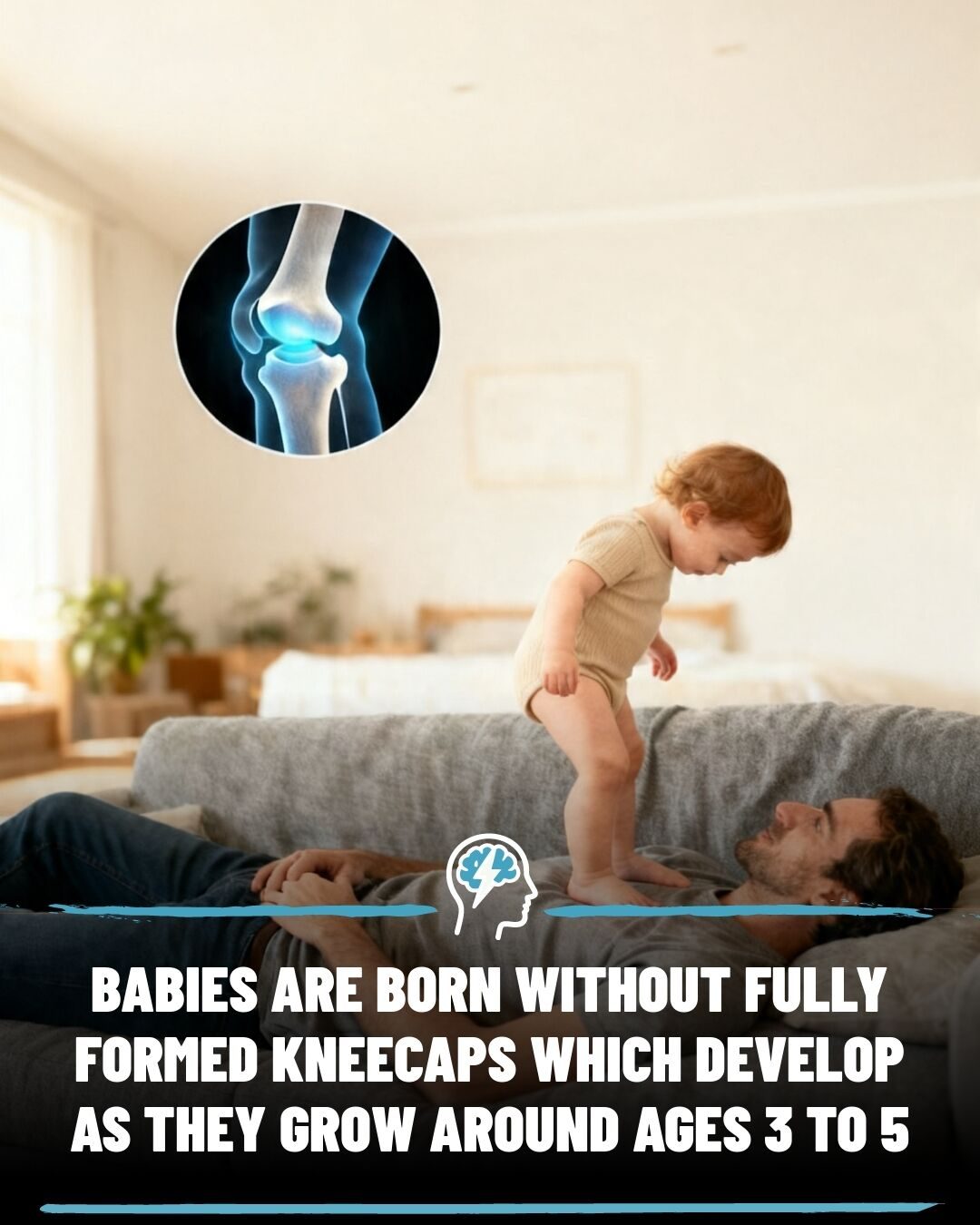
Kneecap Development in Babies
Babies are born with soft, flexible cartilage where their kneecaps should be, and it's all by design. This unique feature of human development plays a crucial role in early childhood growth and mobility.
Context / Why this matters
Understanding how kneecap development works can alleviate concerns among parents and caregivers. Many adults are unaware that babies are born without hard kneecaps, and this can lead to unnecessary worry when they see their toddler's knees on X-rays or ultrasounds. Knowing that this is part of how babies are built to learn to move and grow can provide peace of mind.
Main discussion
The Role of Cartilage in Early Development
At birth, a baby's knees are made entirely of soft, flexible cartilage. This might seem alarming, but it's a crucial adaptation that supports early development. The cartilage allows newborns to move freely, making it easier for them to kick, wiggle, and crawl, which are essential for building strength and coordination.
The Process of Ossification
The transformation of cartilage into bone is a gradual process called ossification. This typically begins around ages 2 to 3. During this time, the cartilage starts to harden into bone tissue. By ages 5 to 6, primary ossification is usually well underway, but full kneecap development can continue until ages 10 to 12. This extended timeline ensures that the body strengthens progressively while maintaining the mobility children need during their most active years.
Variations in Developmental Timelines
It's essential to note that the timing of kneecap development can vary from child to child. This variability is completely normal and reflects individual developmental paces. So, a child might show finished knee development earlier or later than the averages. Parents should avoid drawing too many conclusions from their child's developmental timeline, and compare it to other children in the same age group.
What Parents Should Know About X-Rays
One common source of concern for parents is seeing their toddler's X-rays, which often appear to show "missing" kneecaps. In reality, the cartilage is present, but it doesn't show up on imaging in the same way that bone does. It's crucial for parents to understand that this is part of healthy skeletal development and not a sign of any issue.
Practical tips
Encourage Movement
Ensure that your baby has plenty of opportunities to move and explore. This helps stimulate the natural developmental processes that will eventually lead to the formation of hard kneecaps.
Seek Professional Advice
If you have any concerns about your child's development, don't hesitate to consult with a pediatrician. They can provide reassurance and guidance based on your child's specific needs and timeline.
Be Patient
Remember that every child develops at their own pace. Comparing your child's development to others can lead to unnecessary worry. Trust that your child's body is following its own unique timeline.
Important takeaways
- Babies are born with soft cartilage in place of hard kneecaps, which supports early mobility and development.
- The process of ossification, where cartilage turns into bone, typically begins around ages 2 to 3.
- Full kneecap development can continue until ages 10 to 12, allowing for progressive strengthening and mobility.
- Variations in developmental timelines are normal and reflect individual differences.
- Parents should understand that this is part of the natural growth process and not a sign of any issues.
Conclusion
The development of kneecaps in babies is a fascinating and natural process that supports early childhood growth and mobility. Understanding this process can help alleviate concerns and provide reassurance for parents. By encouraging movement, seeking professional advice when needed, and being patient, parents can support their child's natural developmental timeline.
Questions readers ask
Why are babies born with soft kneecaps instead of hard bone?
Babies are born with soft, flexible cartilage in place of hard kneecaps to facilitate movement and growth during early development. This cartilage provides the necessary flexibility for learning to crawl, walk, and run.
When do babies start to develop hard kneecaps?
The process of cartilage converting to bone, known as ossification, begins around 3 to 5 years of age. By the time a child reaches 3-6 years, they will have some hard bone in their kneecaps, and the process continues until early adulthood.
Is it normal for a toddler to have soft kneecaps?
Yes, it is entirely normal for toddlers to have soft kneecaps. Variations in the timing of bone development are typical, so parents should not be concerned if their toddler's kneecaps have not yet hardened.
How does the presence of soft kneecaps benefit babies?
Soft kneecaps in babies allow for greater flexibility and freedom of movement, which is crucial for learning to walk and run. This flexibility helps to protect the joints and promotes overall mobility and strength development.
What is the process of kneecap development in babies?
Kneecap development in babies involves the gradual conversion of cartilage to bone, a process that begins in early childhood and continues into the teenage years. This transformation is a natural part of growing up and supports the child's increasing mobility and strength.
Should I be concerned if my baby's kneecaps are not visible on an X-ray?
No, you should not be concerned. Babies are born with soft cartilage in place of hard kneecaps, which do not show up on X-rays. This is a normal part of infant growth and development.
What can parents do to support their baby's kneecap development?
Parents can support their baby's kneecap development by encouraging age-appropriate physical activities. This helps to promote healthy bone growth and ensures that the cartilage conversion into bone is taking place.
Related deep dives
Similar reads based on topic and creator.



Recent articles
Fresh deep dives from the latest Reels we unpacked.




Comments
Be the first to comment.