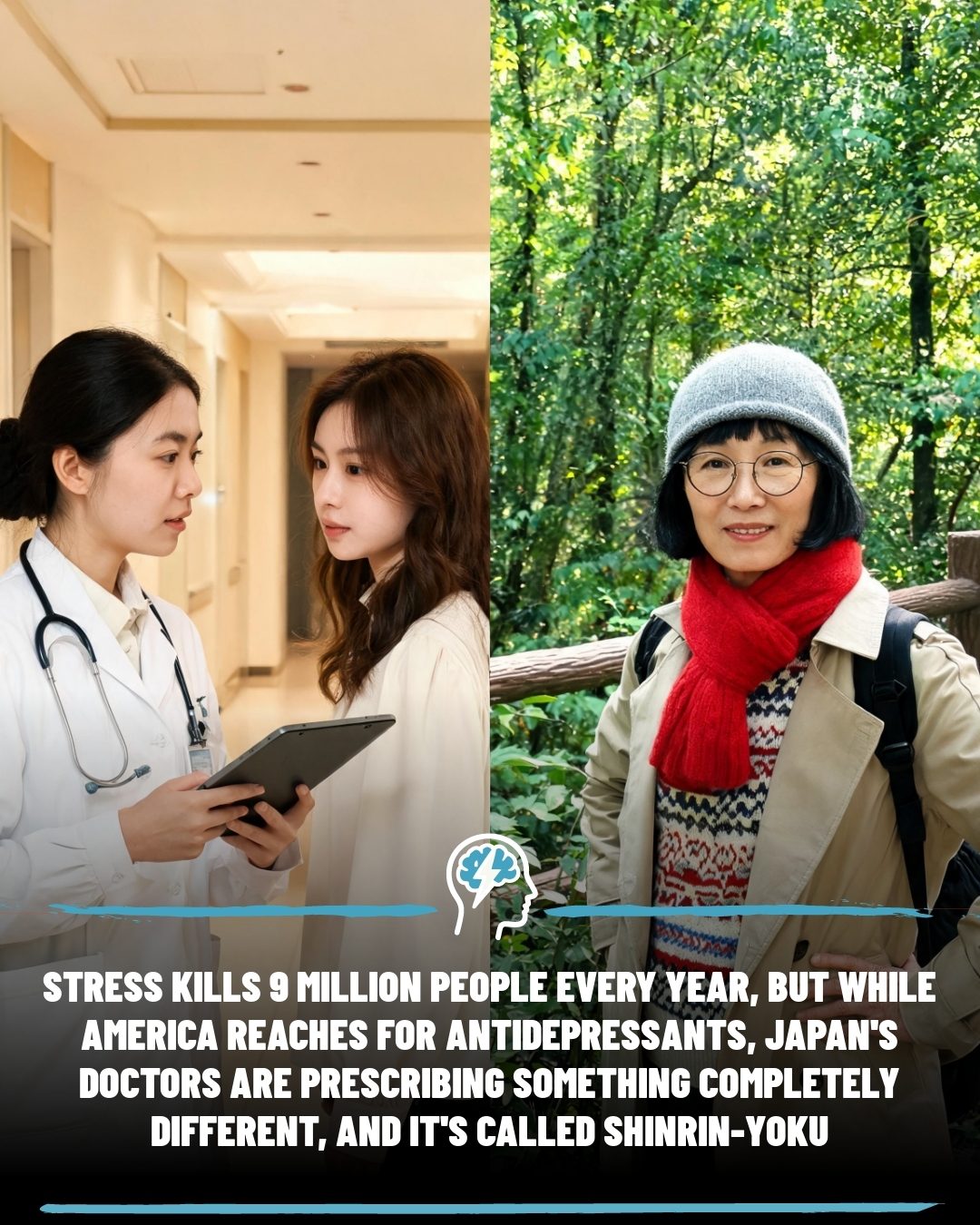
Shinrin-Yoku: Japan’s Prescription for Stress Relief
In Japan, nature has always been an integral part of the culture and healthcare system. One unique practice they have integrated into their national health program, is Shinrin-yoku, also known as forest bathing. This practice is quite different from the Western approach of relying heavily on medication for treating stress and mental health issues.
Context: Why this matters
Stress and mental health issues have become a significant concern worldwide, affecting millions of people. Traditional approaches to managing stress often involve medication, which can have its own set of side effects. Japan, however, has taken a different route by incorporating the natural world into clinical practice. Understanding this approach can offer different perspectives and solutions for managing stress and mental health.
The Practice of Shinrin-Yoku
What is Shinrin-Yoku?
Shinrin-yoku is a therapeutic practice that involves walking in a forest and immersing oneself in the surroundings using all five senses. The idea is to slow down, take in the sights, sounds, and smells of the forest, and create a deeper connection with nature. The practice aims to close the gap between the fast-paced city life and the tranquility of the natural world.
The Science Behind Shinrin-Yoku
Extensive research has been conducted on the benefits of Shinrin-yoku. One of the key findings is that spending time among trees lowers cortisol levels, which is the body's main stress hormone. Additionally, Shinrin-yoku has been shown to drop blood pressure and heart rate, contributing to overall cardiovascular health.
One of the most intriguing discoveries is the role of phytoncides. These are compounds that trees release to protect themselves from rot and insects. When we inhale these compounds, they have several beneficial effects on our bodies. They increase natural killer cell activity, which helps fight infection, and boost immune system proteins. Furthermore, Shinrin-yoku can improve sleep and cardiovascular health, making it an effective and natural way to manage stress and promote well-being.
The Cultural and Healthcare Integration
Shinrin-Yoku as Officially Recognized Medicine
In Japan, Shinrin-yoku is recognized as a legitimate form of medicine. It has been included in the national health program for decades. This acknowledgment shows the country’s commitment to integrating natural therapies into its healthcare system. Through this approach, Japan aims to provide comprehensive well-being, focusing not just on treating symptoms but also on preventing them.
Forest Therapy Bases
Japan has established dozens of certified forest therapy bases across the country. These bases are equipped with trained professionals who guide individuals through the Shinrin-yoku experience. Doctors can prescribe time in these forests for patients suffering from stress, anxiety, and burnout. This prescription method ensures that patients receive professional guidance and support throughout their forest bathing journey.
How Shinrin-Yoku Works
To understand the effectiveness of Shinrin-yoku, it is important to consider the impact of city life on the brain. City life is often characterized by constant noise, sensory overload, and visual clutter. This environment can wear down an individual’s focus and mental well-being over time. Forests, on the other hand, offer a different sensory experience.
Researchers refer to this as "soft fascination." It involves sensory input that allows the mind to recover without effort. In a forest, there are no phones, no noise—just trees. The nervous system finally gets to exit high alert and enter rest mode. This transition from high alert to rest mode is crucial for mental and physical recovery, making Shinrin-yoku an effective tool for stress management.
Practical Tips for Your Next Forest Bathing Experience
If you're inspired to try Shinrin-yoku, here are some practical tips to help you get the most out of your experience:
-
Choose the Right Location: Find a forest or natural area that you find calming and peaceful. The more you can disconnect from urban distractions, the better.
-
Plan Your Visit: Schedule a day or a few hours to devote to your forest bathing experience. Ensure that you have enough time to fully immerse yourself in the environment.
-
Leave Technology Behind: While it might be tempting to bring your phone, try to leave it behind. This will help you fully engage with your surroundings.
-
Engage All Your Senses: Take in the sights, sounds, and smells of the forest. Notice the textures of the trees, the rustling of leaves, and the scent of the earth.
-
Be Present: Practice mindfulness by focusing on the present moment. Pay attention to your breath and the sensations in your body.
-
Go Slow: Move at a gentle pace to maximize your sensory experience. Avoid rushing through the forest.
Important Takeaways
-
Effective Stress Management: Shinrin-yoku is a proven and effective method for managing stress and improving overall well-being.
-
Natural and Holistic: This practice incorporates nature as an integral part of healthcare, offering a holistic approach to mental health.
-
Scientific Backing: Research supports the numerous health benefits of spending time in forests, including reduced cortisol levels, improved cardiovascular health, and enhanced immune function.
-
Incorporate into Daily Life: You don't need to wait for a forest visit. Simple activities like gardening, or even a walk in a park can offer similar benefits.
-
Mind-Body Connection: The mind-body connection is crucial for overall well-being, and Shinrin-yoku helps to strengthen this connection by providing a peaceful, natural setting.
Conclusion
Stress is a pervasive issue in today's fast-paced world, and finding effective ways to manage it is crucial. Shinrin-yoku, or forest bathing, offers a natural and holistic approach to stress relief. By immersing yourself in nature and engaging all five senses, you can reduce stress, improve your mental and physical health, and enhance your overall well-being. Incorporating this practice into your life can provide numerous benefits, making it a valuable tool for managing stress and promoting well-being.
Questions readers ask
What is Shinrin-Yoku and how does it differ from traditional stress management methods?
Shinrin-Yoku, or forest bathing, is a Japanese practice that involves immersing oneself in nature to promote well-being. Unlike traditional stress management methods, which often rely on medication, Shinrin-Yoku focuses on natural stress relief through sensory engagement with the forest environment.
How does Shinrin-Yoku benefit mental health?
Shinrin-Yoku has been shown to lower cortisol levels, the body's primary stress hormone. By reducing cortisol, forest bathing helps decrease symptoms of stress and anxiety, contributing to improved mental health. Additionally, the practice can boost mood and enhance overall emotional well-being.
What are the physical health benefits of Shinrin-Yoku?
Engaging in Shinrin-Yoku can lead to various physical health benefits, such as lowering blood pressure and improving immune function. These effects are thought to be triggered by the body's response to the calming and restorative nature of the forest environment.
Can Shinrin-Yoku be considered a viable alternative to antidepressants?
While Shinrin-Yoku shows promising results in reducing stress and improving mental health, it may not be a direct replacement for antidepressants in all cases. However, it can serve as a complementary approach to manage mild to moderate symptoms of stress and anxiety. For severe cases, it is essential to consult with a healthcare provider.
How does the Japanese healthcare system incorporate Shinrin-Yoku?
In Japan, Shinrin-Yoku is recognized as a part of the national health program. The practice is integrated into clinical settings, with healthcare providers prescribing nature immersion therapy to patients seeking stress relief and improved overall well-being.
What can I expect from a Shinrin-Yoku experience?
A Shinrin-Yoku experience involves spending time in a forest or natural setting, focusing on engaging your senses with the surroundings. This can include walking, sitting, or simply being present in nature. The goal is to promote relaxation and stress reduction through immersion in the natural environment.
Are there any specific techniques involved in Shinrin-Yoku?
Shinrin-Yoku is a simple practice that doesn't require any special techniques. The key is to engage your senses by walking slowly, observing the natural surroundings, and taking deep breaths. Some people may choose to incorporate mindfulness or meditation practices during their forest bathing experience.
Related deep dives
Similar reads based on topic and creator.




Recent articles
Fresh deep dives from the latest Reels we unpacked.




Comments
Be the first to comment.