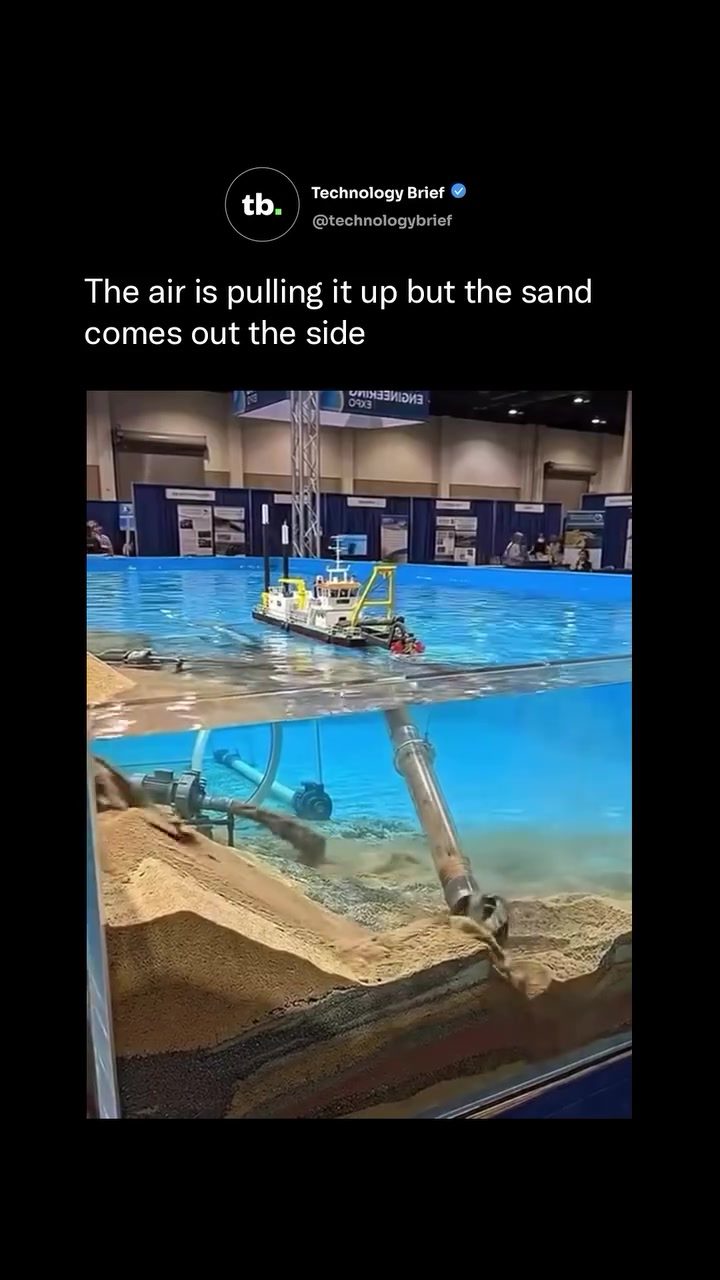
Understanding Hydraulic Dredging: How a Sand Transport Device Works
Hydraulic dredging is a crucial process used to deepen shipping ports, restore beaches, and reclaim land from the sea. At its core, this method involves the use of a sand transport device that operates on principles of air pressure and suction. Let's dive into the details of how this process works, its applications, and the key factors that influence its efficiency.
Why This Matters
Hydraulic dredging is not just about moving sand; it's about managing large-scale projects that require precision and environmental consideration. From maintaining navigable waterways to restoring coastal areas, this method is integral to various engineering and environmental projects. Understanding the mechanics behind hydraulic dredging can provide valuable insights into why certain materials work better than others and how the process can be optimized for different tasks.
How Hydraulic Dredging Works
The Principle of Operation
Hydraulic dredging involves the use of a pump on a dredge boat that creates a partial vacuum. This vacuum pulls sand and water up from the seabed through a suction pipe as a slurry. The mixture is then pushed through a second pipeline and deposited at a different location.
The Role of Air Pressure
In a miniature model, air pressure plays a critical role in transporting sand. The air is pulled up through a tube, creating a suction force that lifts the sand from the bottom of a tank. This process is similar to how real dredges operate, where centrifugal pumps generate the suction force.
Managing the Water-Sediment Ratio
One of the key factors in hydraulic dredging is managing the ratio of water to sediment. If there is too much water, the system becomes inefficient. Conversely, if there is too little water, the pipes can clog under the weight of the incoming material. This balance is crucial for the smooth operation of the dredging process.
Applications of Hydraulic Dredging
Deepening Shipping Ports
One of the primary applications of hydraulic dredging is deepening shipping ports. Over time, sediment and silt can accumulate, making it difficult for large ships to navigate. By removing this sediment, ports can maintain their depth, ensuring smooth navigation and preventing costly delays.
Restoring Beaches
Hydraulic dredging is also used to restore beaches that have eroded over time. By transporting sand from one area to another, dredging can help rebuild beaches, providing a natural barrier against storms and sea-level rise.
Reclaiming Land
In some cases, hydraulic dredging is used to reclaim land from the sea. This process involves removing sediment and re-depositing it in areas where land is needed. This can be particularly useful in large-scale infrastructure projects, such as building new islands or expanding coastal cities.
Practical Tips for Effective Hydraulic Dredging
Choosing the Right Material
Hydraulic dredging works best with loose materials like sand, silt, and fine gravel. These materials are easier to transport and less likely to clog the pipes. In contrast, harder materials like rocks and large debris can pose significant challenges and may require different dredging techniques.
Environmental Considerations
Hydraulic dredging is generally considered more environmentally friendly than mechanical dredging because the sediment stays submerged throughout the entire process. This minimizes the disturbance to marine life and helps maintain the ecological balance of the surrounding area.
Maintaining Equipment
Regular maintenance of the dredging equipment is essential for its efficient operation. This includes checking the pumps, pipes, and other components to ensure they are functioning correctly. Any wear and tear should be addressed promptly to prevent downtime and costly repairs.
Monitoring Water-Sediment Ratio
Continuous monitoring of the water-sediment ratio is crucial. By using sensors and other monitoring tools, operators can ensure that the ratio remains within the optimal range, preventing both inefficiency and clogging.
Important Takeaways
Hydraulic dredging is a sophisticated process that relies on the principles of suction and air pressure to transport sand and other materials. Effective management of the water-sediment ratio, choosing the right materials, and maintaining the equipment are all critical factors for successful dredging operations. By understanding these principles and practical tips, engineers and environmentalists can optimize their projects, ensuring both efficiency and environmental sustainability.
Conclusion
Hydraulic dredging is a fundamental process in various engineering and environmental projects. Whether deepening shipping ports, restoring beaches, or reclaiming land, the principles of suction and air pressure play a vital role. By mastering these principles and following best practices, professionals can ensure that their dredging operations are both efficient and environmentally responsible.
Questions readers ask
What is the fundamental principle behind hydraulic dredging?
Hydraulic dredging operates by using a combination of air pressure and suction to move sand and sediment. The process involves a sand transport device that efficiently extracts and transports materials, making it a key technique for various engineering and environmental projects.
How does a dredging boat facilitate the hydraulic dredging process?
A dredging boat is equipped with specialized dredging equipment, including hydraulic suction devices, to remove sediment from the waterway. The boat navigates the area, using powerful pumps and suction to lift sand and sediment from the bottom and transport it to designated locations.
What are the primary methods of hydraulic dredging?
The primary methods of hydraulic dredging include suction dredging, where a suction pipe is used to remove sediment, and air-lift dredging, which uses compressed air to lift sediment. Other methods include cutter suction dredging, where a rotating cutter head breaks up hard sediments, and jet suction dredging, which uses high-pressure water jets to loosen sediment.
What factors influence the efficiency of hydraulic dredging?
Several factors influence the efficiency of hydraulic dredging. These include the type of sediment, the depth and width of the waterway, the power of the suction equipment, and the environmental conditions. Ensuring the equipment is well-maintained and operated by skilled personnel also plays a crucial role in achieving optimal results.
Can hydraulic dredging be used for both small and large-scale projects?
Yes, hydraulic dredging is versatile and can be scaled to meet the needs of both small and large-scale projects. It is commonly used for maintaining small creeks and canals, as well as for deepening large shipping ports and restoring extensive coastal areas.
What environmental considerations are important in hydraulic dredging?
Environmental considerations in hydraulic dredging include minimizing the disturbance to marine life, preventing the spread of pollutants, and managing the disposal of dredged materials to avoid environmental degradation. Proper planning and adherence to regulations ensure that the dredging process is conducted responsibly and sustainably.
Recent articles
Fresh deep dives from the latest Reels we unpacked.




Comments
Be the first to comment.