Brain Synchronization
The profound impact of social connections on our well-being is often discussed, but few people realize that seeing a familiar, trusted face can have a calming effect akin to enjoying a satisfying meal. This effect is backed by neuroscience research, which suggests that social bonds are not merely emotional luxuries but are essential for biological well-being. When we look at a familiar, trusted face, our internal chemistry shifts toward safety and satisfaction in much the same way that being physically nourished does.
Context: Why This Matters
Understanding the neural underpinnings of social connections can change how we perceive and value relationships. The brain's response to familiar faces goes beyond emotional comfort; it has tangible physiological effects. This knowledge can help us recognize the importance of maintaining strong social ties and the detrimental effects of loneliness and social isolation.
Why Looking at a Best Friend's Face Matters
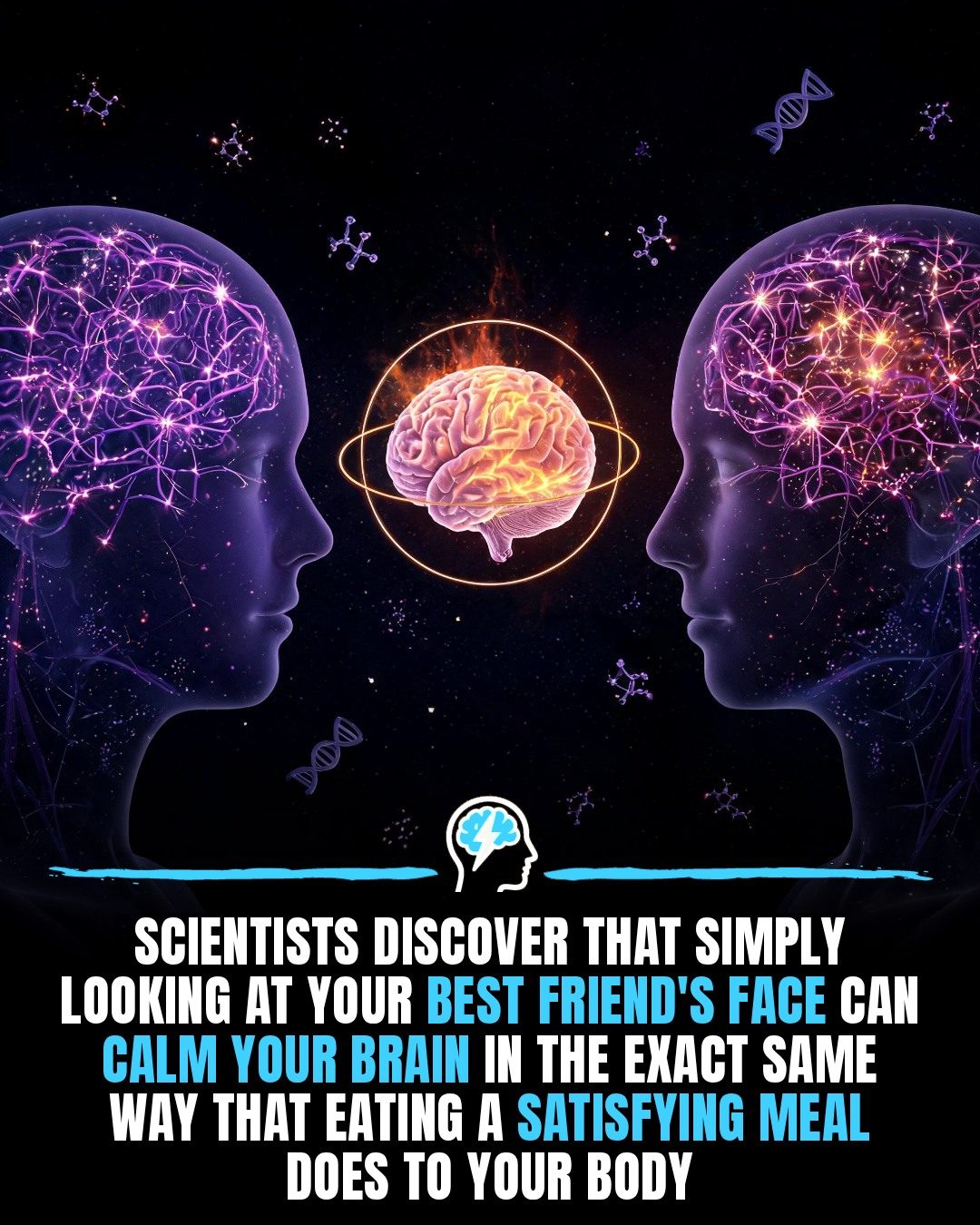
The graphic depiction of two brains connected by a glowing pathway illustrates a deeper truth: our brains treat social bonds with the same urgency as biological needs. This phenomenon is rooted in the neural pathways that process both physical and social rewards.
Shared Neural Pathways
The ventral striatum, a region of the brain, processes both physical and social rewards. It releases dopamine, a neurotransmitter associated with pleasure and reward, when we eat something we love. Remarkably, it releases the same neurotransmitter when we spend time with someone we love. This overlap is so strong that loneliness can feel like actual hunger or an ache in the chest. Your brain is missing out on reward signals it needs to function optimally.
The overlap between physical and social rewards underscores the importance of social connections for our overall well-being. The brain doesn't distinguish between the satisfaction derived from a good meal and the contentment from spending time with a loved one. Both experiences trigger the same reward pathways, reinforcing the idea that social bonds are essential for a healthy, balanced life.
Reducing Internal Stress
Seeing a best friend can buffer stress in the body. When social support is present, cortisol levels drop. Cortisol is a stress hormone, and its reduction indicates a shift toward a state of calm. Additionally, heart rate settles as the nervous system shifts to a state of rest, and pain tolerance rises as the brain’s natural opioid system switches on. This physiological response highlights how social connections not only improve our mood but also contribute to physical health.
The Power of Familiarity
The effect of seeing a familiar face is strongest when the face is tied to good memories. The brain picks up on tiny facial cues that signal safety, allowing us to relax without exchanging a single word. This recognition triggers the release of oxytocin, often referred to as the "cuddle hormone." Oxytocin builds trust and lowers the sense of threat, creating a safe and nurturing environment.
A friend's smile tells your brain that the environment is safe, shifting energy away from survival mode and toward healing. This biological response is a deep-seated instinct that has evolved over time, highlighting the importance of social connections in our evolutionary history.
Evolution of Connection
The significance of social bonds is deeply rooted in our evolutionary past. Staying close to one's group used to matter as much as finding food or water. People who stuck with their allies were more likely to survive and reproduce. While we no longer face the same threats, our biology hasn't caught up. It still treats a best friend like food and safety, underscoring the enduring importance of social connections.
Practical Tips
Recognizing the power of social bonds can lead to practical steps to enhance your well-being and the well-being of those around you. Here are a few tips to leverage the benefits of social connections:
Surround Yourself with Positive Connections
Make an effort to spend time with people who uplift and support you. Positive social interactions can significantly reduce stress and improve your overall mood.
Prioritize Quality Over Quantity
Focus on building deep, meaningful relationships rather than accumulating numerous superficial connections. Quality time with a few close friends can have a more profound impact on your well-being than many shallow interactions.
Create a Supportive Environment
Create an environment where you and your friends feel safe and nurtured. This can be as simple as setting aside time for regular catch-ups or planning activities that everyone enjoys.
Important Takeaways
The science behind brain synchronization and social bonds offers several key takeaways:
- Social connections are essential for biological well-being, not just emotional satisfaction.
- Seeing a familiar, trusted face can have a calming effect comparable to eating a satisfying meal.
- The ventral striatum processes both physical and social rewards, releasing dopamine in response to both.
- Social support buffers stress, reducing cortisol levels, settling heart rate, and increasing pain tolerance.
- Familiar faces tied to good memories trigger the release of oxytocin, building trust and lowering the sense of threat.
- The importance of social bonds is deeply rooted in our evolutionary past.
Understanding these takeaways can help us appreciate the profound impact of social connections on our lives and take steps to foster and maintain strong, nurturing relationships.
Conclusion
The calming effect of looking at a best friend's face is a profound reminder of the intricate ways in which our brains and bodies respond to social connections. By understanding the neural mechanics behind this phenomenon, we can better appreciate the importance of maintaining strong social ties. Whether it's spending time with a trusted friend or surrounding yourself with positive connections, every effort to nurture social bonds contributes to a healthier, more balanced life.
Questions readers ask
How does the brain react when we see a best friend's face?
When you see your best friend's face, your brain responds with a sense of safety and satisfaction, similar to how it reacts to a satisfying meal. This response is due to the strong social bond you share, which triggers a positive internal shift.
What is the significance of the brain's response to familiar faces?
The brain's response to familiar, trusted faces is significant because it goes beyond emotional comfort. This response has tangible physiological effects, contributing to overall well-being and highlighting the importance of maintaining strong social connections.
How do social bonds impact our biological well-being?
Social bonds are essential for biological well-being. Seeing a familiar, trusted face can induce a calming effect and promote a sense of safety, much like being physically nourished. This impact is backed by neuroscience research, showing that social connections are crucial for health.
Why does the brain treat a best friend's face like a good meal?
The brain treats a best friend's face like a good meal because the neural response to both stimuli is similar. This overlap underscores the profound impact of social bonds on our well-being, showing that strong social connections are vital for both emotional and physical health.
What can we learn from the neuroscience of friendship?
The neuroscience of friendship teaches us that social connections have a powerful influence on our brain and body. By understanding the neural underpinnings of social bonds, we can better appreciate the importance of maintaining these connections for our overall health and happiness.
How does looking at a friend's face affect our internal chemistry?
Looking at a friend's face can shift our internal chemistry towards safety and satisfaction. This response is similar to the one we experience when we are physically nourished, demonstrating the deep and beneficial impact of social connections.
Related deep dives
Similar reads based on topic and creator.



Recent articles
Fresh deep dives from the latest Reels we unpacked.




Comments
Be the first to comment.