Boosting Immune Health Through Forest Bathing
Spending time in the forest isn't just a pleasant escape; it might also bolster your immune system. This practice, known as "forest bathing," originates from Japan and involves immersing yourself in woodland environments. The concept has gained attention for its potential health benefits, particularly in enhancing immune function.
Why This Matters
Understanding the benefits of forest bathing can be a game-changer for those seeking natural ways to support their health. In a world dominated by technology and urban living, reconnecting with nature could offer significant advantages. The practice has been scientifically studied, providing evidence that supports its positive effects on immune cells.
The Science Behind Forest Bathing
What is Forest Bathing?
Forest bathing, or Shinrin-yoku, is a Japanese practice that encourages individuals to spend time in forested areas. This isn't a strenuous activity; it involves simply being present in the woods, absorbing the sights, sounds, and smells of the environment. The idea is to immerse yourself in nature and let it work its therapeutic magic.
How It Boosts the Immune System
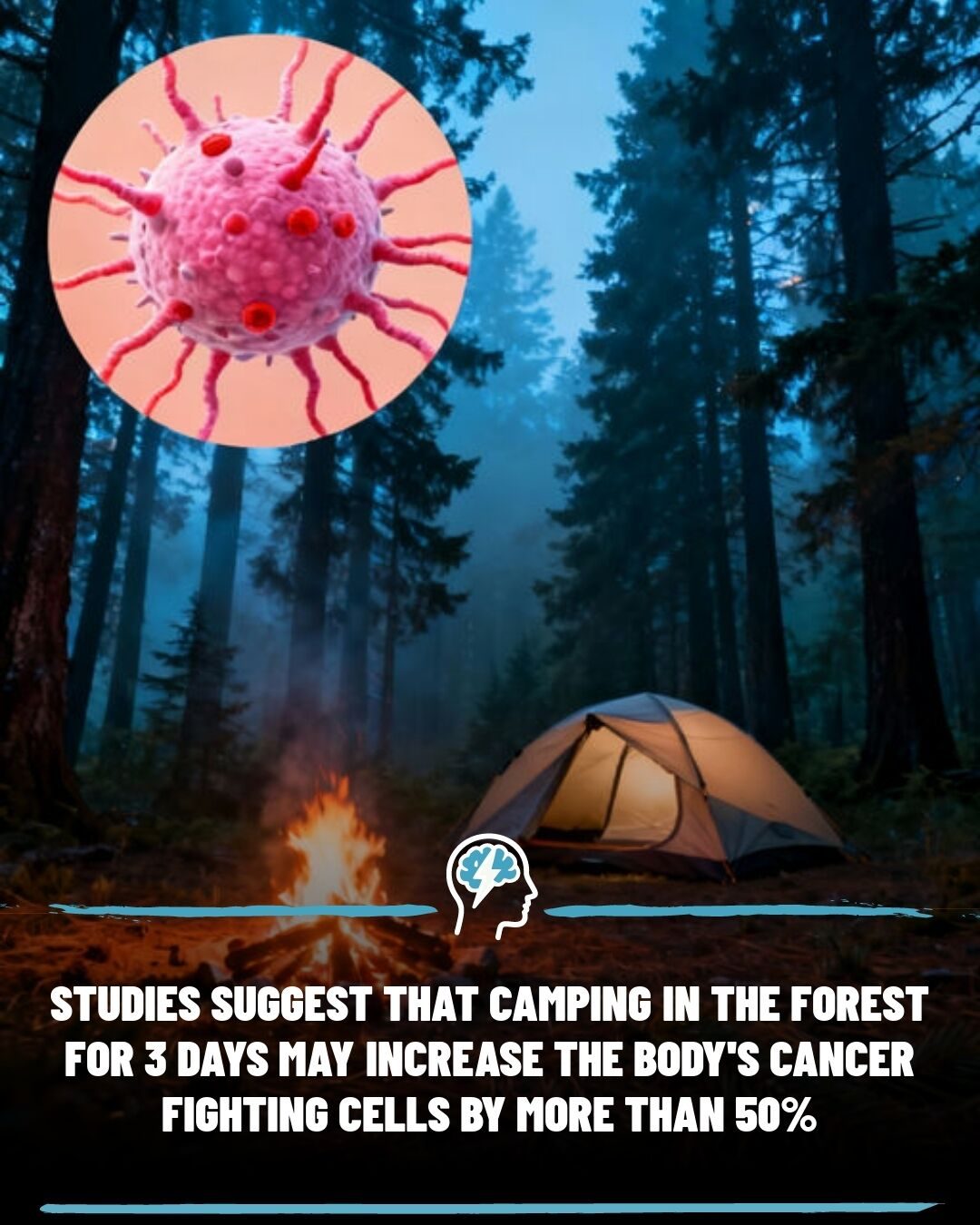
Several studies have delved into the effects of forest bathing on the immune system. A landmark study found that participants who spent three days walking through forests for a few hours each morning and afternoon experienced a significant increase in natural killer (NK) cells. These cells are a type of immune cell responsible for hunting down and eliminating viruses and abnormal cells before they can cause problems.
The results showed that NK cell activity increased by roughly 50%. Moreover, these benefits stayed elevated for over a week, with some individuals showing effects lasting 30 days or more. This suggests that regular immersion in nature could have lasting effects on immune health.
The Role of Phytoncides
One of the key factors in this immune boost is the presence of phytoncides. These are natural compounds released by trees that act as a defense mechanism against insects and fungi. When humans breathe in these compounds, they may stimulate immune cells, enhancing their function. The forest environment also appears to shift your nervous system away from stress mode, allowing your immune system to operate more effectively.
Practical Tips for Forest Bathing
Planning Your Trip
To experience the immune-boosting benefits of forest bathing, plan a trip to a nearby forest or woodland area. You don't need to go far; even local parks with a significant number of trees can be beneficial. Aim for a multi-day immersion if possible, as studies have shown that longer stays yield more significant results.
What to Do in the Forest
Once you're in the forest, the goal is to relax and absorb the environment. Here are some tips:
- Walk Slowly: Take leisurely walks rather than strenuous hikes. The goal is to be present in the moment, not to exert yourself.
- Engage Your Senses: Notice the sounds of the forest, the feel of the air, and the scents of the trees. Touch the bark of trees or leaves, and take in the visual beauty around you.
- Breathe Deeply: Deep breathing helps you absorb more phytoncides and promotes relaxation.
- Sit and Reflect: Find a comfortable spot to sit and reflect on your surroundings. You can meditate, journal, or simply enjoy the tranquility.
Making It a Regular Practice
Regular forest bathing can be a part of your wellness routine. Aim to spend a few hours in the forest at least once a month. If multi-day trips aren't feasible, even shorter, frequent visits can offer benefits. Engage in this practice year-round to reap its long-term effects on your immune system.
Important Takeaways
- Natural Immune Booster: Forest bathing can significantly enhance the activity of natural killer cells, which play a crucial role in immune function.
- Long-Lasting Effects: The benefits of forest bathing can last for weeks, with some individuals experiencing effects for up to 30 days.
- Phytoncides and Stress Reduction: The compounds released by trees and the stress-reducing environment of the forest contribute to improved immune function.
- Accessible Health Practice: This practice is accessible to most people and can be easily incorporated into a wellness routine.
Conclusion
Forest bathing is a simple yet powerful way to support your immune health. By spending time in nature, you can tap into the natural healing properties of the forest, enhancing your body's ability to fight off viruses and abnormal cells. This practice isn't just about feeling good; it's grounded in scientific research that shows its tangible benefits. So, the next time you need a break from the hustle and bustle of modern life, consider a trip to the woods. Your immune system might just thank you.
Questions readers ask
What is forest bathing and how did it originate?
Forest bathing, or Shinrin-yoku, is the practice of spending time in a forest or woodland environment to promote health and well-being. It originated in Japan during the 1980s as a way to help people unwind from their busy, stressful lives and reconnect with nature.
How does forest bathing boost the immune system?
Research has shown that spending time in natural healing environments, like forests, can increase the number and activity of immune cells in the body. Specifically, studies have found that forest bathing can enhance natural killer (NK) cell activity, which helps the immune system combat infections and diseases. These effects can be observed in as little as three days of forest bathing.
What are the benefits of forest bathing beyond immune health?
While the immune system boost is a significant benefit, forest bathing also offers other advantages. It can help reduce stress, lower blood pressure and heart rate, improve mood, and enhance overall mental well-being. The practice encourages mindfulness and a deeper connection with nature, which can have a positive impact on your general outlook on life.
How can I start practicing forest bathing?
To begin forest bathing, find a local forest or wooded area where you can spend some time. The key is to immerse yourself in nature, using all your senses to experience the environment. You don't need to hike or exert yourself; a gentle walk in the woods is sufficient. The practice encourages a slower pace, allowing you to engage with your surroundings and de-stress.
Is there a recommended duration for forest bathing to see immune benefits?
Studies have indicated that even a short period of three days can yield noticeable improvements in immune cell activity. However, for long-term benefits, incorporating regular forest bathing sessions into your routine can be beneficial. Aim for at least one session per week, or more frequently if possible, to maintain and enhance the positive effects on your immune system and overall health.
Can forest bathing be done in any forested area, or are specific locations better?
Forest bathing can be practiced in any forested or wooded area, whether it's a nearby park, a national forest, or even a small patch of woods. While specific locations might offer unique benefits, such as cleaner air or a greater variety of plant life, the key is to find a natural environment that allows you to disconnect from daily stressors and connect with nature.
Related deep dives
Similar reads based on topic and creator.



Recent articles
Fresh deep dives from the latest Reels we unpacked.




Comments
Be the first to comment.