Underwater Jobs
The ocean isn't just a habitat for marine life; it's also a workplace where people build, repair, discover, and teach. From fashion photography to engineering, a variety of unusual professions exist beneath the surface, requiring advanced skills and precision.
Why This Matters
Underwater jobs offer unique opportunities to work in an environment with extreme conditions. These careers are not only fascinating but also crucial to various industries, from tourism and fashion to engineering and defense. The ocean's depths present challenges that demand specialized training, adaptability, and a unique set of skills. These roles are often overlooked, yet they are essential for maintaining and exploring the underwater world.
Main Discussion
Fashion and Commercial Photography
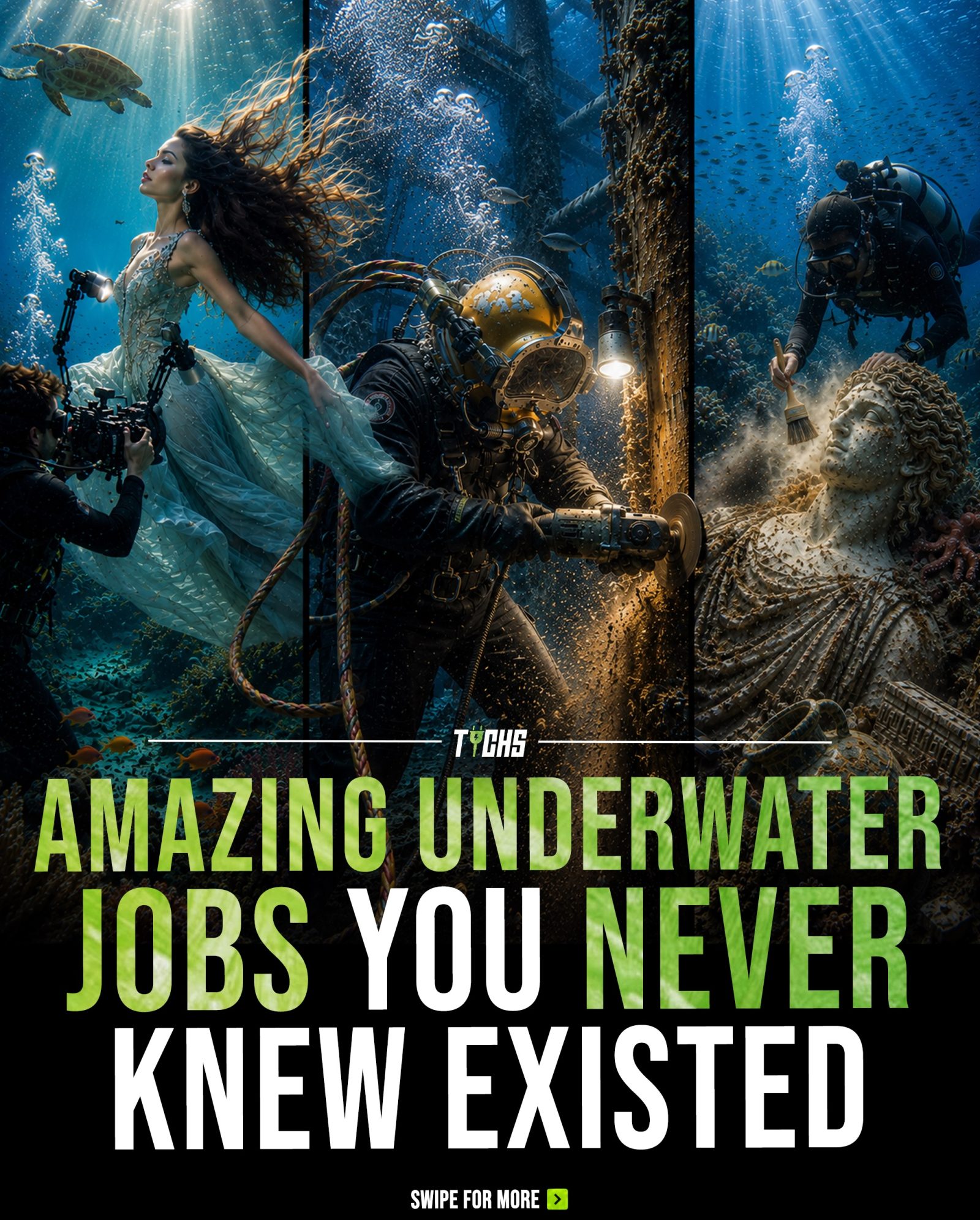
Underwater photography, particularly in the realm of fashion and commercial shoots, is a profession that combines art and technical skill. Models like those featured in underwater fashion shoots pose for photos entirely beneath the water, creating unique and stunning visuals. This profession requires models to be comfortable underwater, typically assisting them with buoyancy, breathing controls, and confidence in unfamiliar surroundings. The photography equipment used in underwater shoots, including specialized cameras and lighting, adds another layer of complexity to the job.
Submarine Operations
Submarine crews are essential for various critical operations. These professionals operate submarines, supporting navigation, engineering, and defense missions. The submarines they operate are equipped with advanced technology, allowing them to perform tasks like mapping the ocean floor, conducting research, and even launching defense operations. Submarine crew members must undergo rigorous training to handle the high-pressure environment and technical demands of their jobs.
Underwater Welding
Underwater welding is a highly specialized field where welders construct and repair offshore structures. This profession is crucial for maintaining the integrity of underwater infrastructure, including oil rigs, pipelines, and bridges. The process involves unique techniques and equipment to ensure the safety and longevity of the structures. Divers must be skilled in both welding and diving, making it a demanding and well-paid profession.
Underwater Filming
Underwater filmmaking is another specialized field, capturing footage for documentaries, films, and television shows. This work involves capturing the beauty and complexity of marine ecosystems and underwater environments. Underwater filmmakers need to be proficient in both diving and cinematography, using specialized equipment to capture high-quality footage in challenging conditions.
Archaeology and Exploration
Underwater archaeologists and explorers dive deep to recover lost history. They uncover artifacts and structures that provide insights into ancient civilizations and maritime history. This work requires a combination of archaeological training and diving skills, as well as a deep understanding of historical context and preservation techniques.
Marine Contracting
Marine contractors and underwater welders are responsible for constructing and repairing offshore structures. These professionals work on oil rigs, wind farms, and other underwater installations, ensuring their structural integrity and functionality. Marine contracting is a critical component of the offshore industry, supporting energy production, research, and tourism.
Scuba Instructing
Scuba instructors train future divers, teaching them the essential skills and safety precautions needed for underwater exploration. This profession involves a combination of teaching, diving, and safety training, ensuring that divers are prepared for the unique challenges of the underwater environment.
Tourism and Hospitality
Tour guides and hospitality staff work in extraordinary underwater hotels and restaurants, offering unique experiences to visitors. These professionals lead safe diving experiences, ensuring that guests are comfortable and knowledgeable about underwater safety. They also manage underwater hospitality venues, providing exceptional service in challenging environments.
Defense and Navigation
Submarine crews and underwater technicians are essential for defense and navigation operations. They operate sophisticated equipment to navigate and defend underwater environments, ensuring the safety and security of marine operations. These professionals are trained to handle the unique challenges of underwater defense and navigation, making them indispensable to various military and research operations.
Practical Tips
Training and Certification
Pursuing an underwater career requires specialized training and certifications. For those interested in becoming underwater photographers, models, or filmmakers, diving certifications and experience are essential. Submarine crew members, welders, and marine contractors need to complete extensive technical and diving training to perform their roles effectively.
Safety Precautions
Safety is paramount in underwater professions. All individuals working in these fields must adhere to strict safety protocols, including proper use of equipment, regular checks, and emergency procedures. Understanding the risks and challenges of the underwater environment is crucial for maintaining safety and preventing accidents.
Physical Fitness
Physical fitness is a critical component of any underwater job. Divers, photographers, and crew members must maintain a high level of physical fitness to handle the physical demands of the job. Regular exercise, a healthy diet, and proper conditioning are essential for sustaining the energy and endurance required for underwater work.
Mental Preparation
Working in an underwater environment can be mentally challenging. Individuals must be prepared for the isolation, high-pressure conditions, and unique demands of the job. Building mental resilience and adaptability is crucial for managing the stress and challenges of underwater work.
Important Takeaways
Working underwater offers unique opportunities to explore and contribute to various industries. From fashion photography to defense, these professions require specialized skills, advanced training, and a deep understanding of the underwater environment. The world beneath the surface is a dynamic and challenging workplace, offering rewarding and fulfilling careers for those who are prepared to meet its demands.
Conclusion
The depths of the ocean hold a world of unusual and essential jobs, from underwater modeling to submarine operations. These professions require advanced skills, specialized training, and a deep understanding of the underwater environment. Each role, whether in fashion, engineering, or hospitality, plays a crucial part in maintaining and exploring the marine world. Whether you're considering a career in underwater photography, welding, or tourism, the ocean offers endless opportunities for those willing to dive in.
Questions readers ask
What are some examples of underwater jobs in the fashion industry?
Underwater fashion photography is a niche field where professionals capture stunning images of models and fashion pieces beneath the surface. These jobs often involve collaborating with designers and photographers to create unique, visually striking content for magazines, advertising campaigns, and fashion shows.
What is required for submarine crew jobs?
Submarine operations require a highly trained crew to handle the complex systems and equipment. These roles involve navigating, maintaining, and repairing submarines, as well as ensuring the safety of the crew and the vessel. Extensive training in engineering, electronics, and specialized diving techniques is essential for these positions.
What are the primary responsibilities of an underwater engineer?
Underwater engineers play a crucial role in designing, constructing, and repairing structures and equipment in marine environments. Their responsibilities include inspecting underwater installations, conducting repairs, and ensuring the structural integrity of offshore platforms and pipelines. This work often requires advanced knowledge in civil engineering, marine biology, and diving techniques.
What kind of training do commercial divers undergo?
Commercial divers undergo rigorous training to develop the skills needed to work in various underwater environments. This training typically includes courses in diving physics, underwater welding, hyperbaric medicine, and emergency procedures. Some positions may also require specialized certifications, such as those for working with hazardous materials or in deep-sea conditions.
How do underwater repair jobs differ from typical Marine repair jobs?
Underwater repair jobs involve fixing and maintaining structures and equipment beneath the surface, which requires specialized diver training and equipment. These roles often demand working in challenging conditions, such as low visibility, strong currents, and extreme pressures. In contrast, typical marine repair jobs may involve working on boats and other vessels in more accessible environments.
What are the key skills needed for underwater fashion photography?
Underwater fashion photography combines artistic vision with technical diving skills. Photographers in this field need to be proficient in both underwater photography techniques and fashion photography. They must also be comfortable working in confined spaces, dealing with limited visibility, and managing equipment in a watery environment.
Related deep dives
Similar reads based on topic and creator.



Recent articles
Fresh deep dives from the latest Reels we unpacked.




Comments
Be the first to comment.