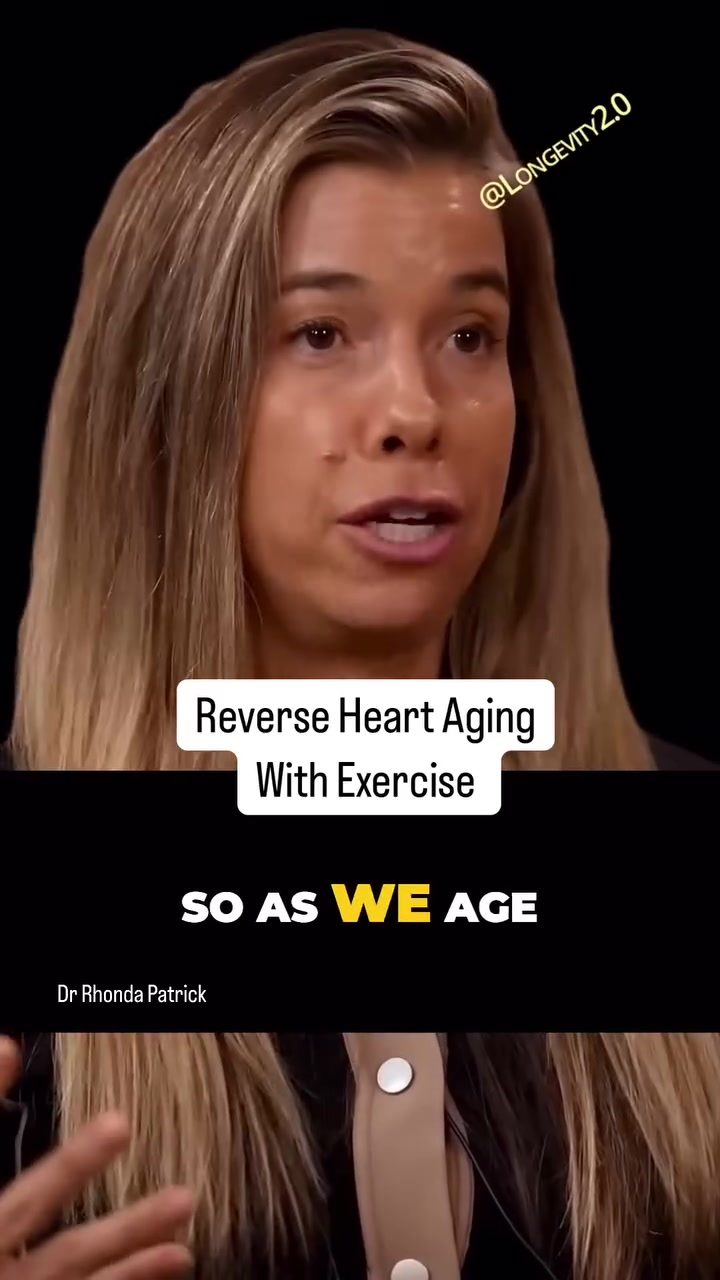
Your Heart Can Look 20 Years Younger with Exercise
As we age, our hearts naturally become smaller and stiffer. This change doesn't just affect our ability to exercise; it also increases the risk of cardiovascular disease, heart attacks, and hypertension. But here’s the game-changing truth: consistent physical activity can reverse some of this aging. This powerful insight comes from Dr. Rhonda Patrick, renowned for her work on longevity and health.
Why This Matters
Heart health is a critical component of overall well-being. The heart's condition can significantly impact daily life and long-term health outcomes. For many of us, the idea of reversing heart aging might seem far-fetched, but recent research provides compelling evidence to the contrary. Understanding how exercise can influence our heart's structure and function is essential for anyone looking to improve their health and longevity.
Main Discussion
The Impact of Aging on the Heart
The heart undergoes significant changes as we age. It becomes smaller and stiffer, which can impede its ability to pump blood efficiently. This reduced capacity affects not only our exercise performance but also our overall cardiovascular health. The risk of developing cardiovascular diseases, experiencing heart attacks, and managing hypertension all increase with age. These conditions are interconnected, and addressing one can have a positive impact on the others.
The Power of Exercise
Regular physical activity can reverse some of the aging effects on the heart. A study highlighted by Dr. Rhonda Patrick shows that two years of consistent exercise—about 5 to 6 hours per week—can make a dramatic difference. Participants in this study, who were around 50 years old, showed heart structures that appeared 20 years younger. This finding underscores the transformative power of exercise in maintaining heart health and longevity.
How Exercise Rejuvenates the Heart
Exercise works in several ways to improve heart health. It strengthens the heart muscle, making it more efficient at pumping blood. This increased efficiency reduces the heart's workload, which can lower blood pressure and improve overall cardiovascular function. Additionally, regular physical activity helps maintain the elasticity of the heart, preventing it from becoming stiff and rigid.
Furthermore, exercise promotes the growth of new blood vessels, a process known as angiogenesis. This increased vascularization ensures that the heart receives an adequate supply of oxygen and nutrients, further enhancing its performance. Exercise also helps in reducing inflammation and oxidative stress, which are key contributors to cardiovascular diseases.
Practical Tips
Incorporating Regular Exercise
Starting an exercise routine doesn't have to be daunting. Aim for a mix of cardiovascular exercises like running, cycling, or swimming, along with strength training and flexibility exercises. Aim for at least 150 minutes of moderate-intensity or 75 minutes of vigorous-intensity aerobic activity per week. This can be spread out over several days, ensuring you get consistent physical activity.
Making It a Habit
Consistency is key when it comes to exercise. Create a routine that fits your lifestyle and stick to it. Schedule your workouts like you would any other appointment, and make adjustments as needed. Finding activities you enjoy will make it easier to stay motivated and committed to your exercise regimen.
Monitor Your Progress
Keep track of your progress by monitoring your heart rate, blood pressure, and overall fitness levels. Regular check-ups with a healthcare provider can help you assess your heart health and make necessary adjustments to your exercise routine. With the right approach, you can see significant improvements in your heart's structure and function over time.
Important Takeaways
- Aging affects the heart's size and stiffness, impacting exercise capacity and increasing the risk of cardiovascular diseases.
- Regular exercise can reverse some of the aging effects on the heart, making it look and function younger.
- Consistent physical activity strengthens the heart, improves its efficiency, and promotes the growth of new blood vessels.
- Aim for at least 150 minutes of moderate or 75 minutes of vigorous aerobic activity per week, along with strength training and flexibility exercises.
- Stay consistent, monitor your progress, and consult with a healthcare provider to ensure optimal heart health.
Conclusion
While aging naturally impacts the heart's structure and function, exercise offers a powerful way to reverse some of these effects. Dr. Rhonda Patrick’s insights and research highlight the transformative power of physical activity. By making regular exercise a part of your lifestyle, you can improve your heart health, reduce the risk of cardiovascular diseases, and enhance your overall well-being. The journey to a healthier heart starts with a simple commitment to move more.
Questions readers ask
How much exercise is needed to reverse heart aging according to Dr. Rhonda Patrick's study?
Dr. Rhonda Patrick's research suggests that about 5 to 6 hours of physical activity per week can significantly improve heart health and reduce the risk of cardiovascular diseases by reversing age-related changes in the heart.
Can exercise make my heart look younger?
Yes, consistent physical activity can make your heart appear and function younger. Regular exercise can reverse some of the natural aging processes that cause the heart to become smaller and stiffer, helping it maintain a more youthful condition.
What are the benefits of exercising for heart health?
Regular exercise can improve heart health by making the heart more efficient, reducing the risk of cardiovascular diseases, lowering the likelihood of heart attacks, and decreasing the risk of hypertension. It can also reverse some age-related changes in the heart.
How does exercise help prevent aging hearts?
Exercise helps prevent aging hearts by reducing the stiffness and size of the heart, which naturally increase with age. By maintaining consistent physical activity, you can keep your heart more flexible and efficient, thus preventing some of the detrimental effects of aging on the heart.
What is the recommended exercise routine for improving heart health?
To improve heart health, aim for about 5 to 6 hours of physical activity per week. This can include a mix of aerobic exercises, such as running, swimming, or cycling, and strength training activities to ensure overall cardiovascular fitness.
What does Dr. Rhonda Patrick's study say about the impact of exercise on heart health?
Dr. Rhonda Patrick's study demonstrates that regular physical activity can significantly improve heart health. The research shows that consistent exercise can reverse age-related changes in the heart, making it appear and function younger, and reducing the risk of cardiovascular diseases.
How does exercise contribute to a physically younger heart?
Exercising regularly contributes to a physically younger heart by reducing stiffness and improving the heart's ability to pump blood efficiently. This helps the heart maintain a more youthful condition, which is crucial for overall cardiovascular health and longevity.
Recent articles
Fresh deep dives from the latest Reels we unpacked.




Comments
Be the first to comment.