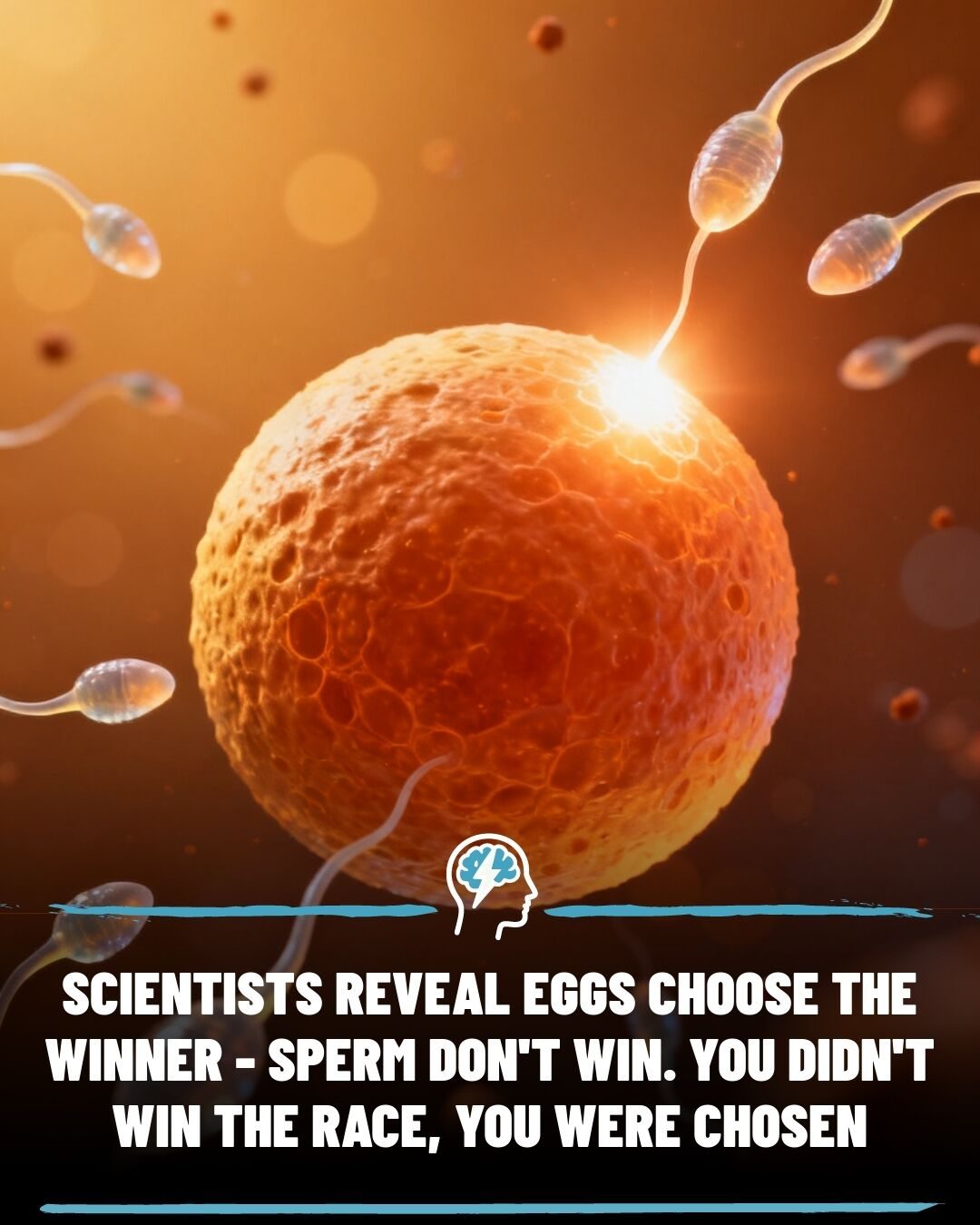
The Role of Eggs in Sperm Selection
The traditional narrative of conception often focuses on the speed and strength of sperm, with the "fastest sperm" being the most likely to win the race. However, recent research from Stockholm University and Manchester University suggests a more nuanced process. Human eggs actively select sperm, challenging the conventional understanding of conception.
Why This Matters
Understanding the active role of eggs in conception can revolutionize reproductive science and fertility treatments. This phenomenon, known as "cryptic female choice," suggests that the process of selecting a compatible partner occurs at a cellular level. This new perspective on conception could lead to more effective fertility treatments and a deeper comprehension of genetic compatibility.
Main Discussion
The Traditional View vs. New Findings
For decades, the prevailing concept has been that the fastest sperm wins the race to fertilize the egg. This view focuses on the sperm's motility and speed as the primary factors in successful fertilization. However, recent research reveals that the egg plays a far more active and selective role in conception than previously thought. The traditional "sperm race" story is only part of the picture; eggs release chemical signals that attract specific sperm, suggesting a sophisticated selection process.
Chemical Signaling and Sperm Attraction
Scientists have discovered that human eggs release chemical signals known as chemoattractants. These chemicals attract sperm and influence which sperm are likely to reach the egg. In the study, the accumulation of sperm varied by up to 18 percent, depending on which egg's fluid they were exposed to. The attraction patterns were not based on whether the sperm donors were partners, indicating that the eggs have independent preferences.
Genetic Compatibility and Selection
The eggs' preferences appear to be based on genetic compatibility, suggesting that at a molecular level, the eggs are selecting for sperm that could create favorable genetic combinations. This means that eggs are actively participating in the process of conception by choosing sperm that are more likely to produce a healthy offspring. This selection process is facilitated through follicular fluid, the liquid surrounding the egg, which contains the chemoattractants. Different eggs attracted different sperm, indicating that this process is not random.
Cryptic Female Choice
The concept of "cryptic female choice" refers to the idea that mate selection can occur at the cellular level, without the conscious awareness of the individuals involved. This suggests that biology has built in a sophisticated compatibility system, which operates independently of conscious decision-making. The research from Stockholm University and Manchester University indicates that eggs are not passive participants in conception but are actively engaged in selecting sperm based on genetic compatibility.
Practical Tips
Understanding the active role of eggs in sperm selection can have several practical implications for individuals and couples trying to conceive.
-
Consider Genetic Compatibility: For those undergoing fertility treatments, understanding the role of genetic compatibility in sperm selection can help in choosing the right sperm donors. This knowledge can improve the chances of successful fertilization and healthy offspring.
-
Focus on Overall Health: Maintaining overall health and well-being can improve the quality of both sperm and eggs, increasing the likelihood of successful conception. A balanced diet, regular exercise, and avoiding harmful substances can enhance reproductive health.
-
Seek Expert Advice: Consulting with fertility specialists who are aware of the latest research on egg selection can provide personalized insights and recommendations. These experts can offer tailored advice based on individual circumstances and the latest scientific findings.
Important Takeaways
-
Eggs Play an Active Role in Conception: Eggs are not passive participants in the process of conception. They actively release chemical signals to attract specific sperm, influencing which sperm are likely to reach the egg.
-
Genetic Compatibility Matters: The selection process is based on genetic compatibility, suggesting that eggs are choosing sperm that could create favorable genetic combinations.
-
Cryptic Female Choice: The concept of "cryptic female choice" highlights the sophisticated compatibility system that operates at a cellular level, without conscious awareness.
Conclusion
The traditional view of conception as a sperm race is being redefined by new research. Human eggs play a more active and selective role in conception, releasing chemical signals to attract specific sperm. This process, known as "cryptic female choice," suggests that genetic compatibility is a crucial factor in sperm selection. Understanding this phenomenon can lead to more effective fertility treatments and a deeper understanding of the complex processes involved in conception. For individuals and couples trying to conceive, this knowledge can provide valuable insights and practical tips to improve their chances of success.
Questions readers ask
How does cryptic female choice differ from the traditional sperm race theory?
Cryptic female choice posits that eggs actively select sperm based on compatibility, rather than sperm competing solely based on speed and strength. This challenges the traditional view of conception as a race to the egg, where the fastest sperm wins.
What chemical signals are involved in sperm selection by eggs?
Eggs release specific chemical signals that attract and select compatible sperm. These signals are part of the cryptic female choice process, which ensures that only suitable sperm can fertilize the egg.
Can this new understanding of conception improve fertility treatments?
Yes, understanding the active role of eggs in sperm selection can lead to more targeted and effective fertility treatments. By focusing on the compatibility between sperm and eggs, clinicians can develop better strategies for assisted reproduction.
What is the significance of the research from Stockholm and Manchester Universities?
The research from Stockholm and Manchester Universities provides new insights into the active role of eggs in sperm selection, challenging traditional views of conception and highlighting the importance of compatibility between sperm and eggs.
How does the process of sperm selection by eggs occur?
Sperm selection by eggs involves the release of chemical signals that attract and guide compatible sperm. This process, known as cryptic female choice, ensures that only suitable sperm can fertilize the egg, enhancing the chances of successful reproduction.
What are the implications of cryptic female choice for reproductive biology?
Cryptic female choice has significant implications for reproductive biology. It suggests that the process of selecting a compatible partner occurs at a cellular level, revolutionizing the understanding of conception and fertility.
How might this new understanding of conception affect genetic compatibility?
By actively selecting compatible sperm, eggs can enhance genetic compatibility. This process ensures that the resulting embryo has a higher likelihood of successful development and genetic health, contributing to the overall success of reproduction.
Related deep dives
Similar reads based on topic and creator.




Recent articles
Fresh deep dives from the latest Reels we unpacked.




Comments
Be the first to comment.