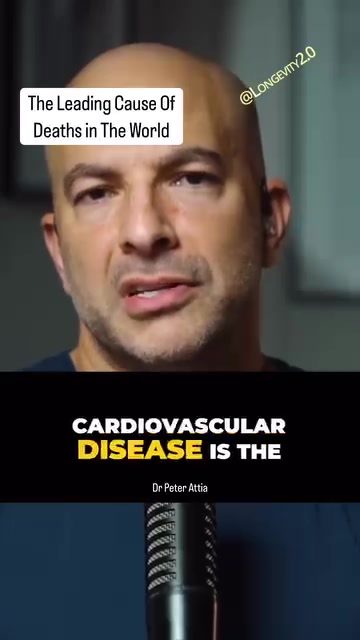
Cardiovascular Disease: The Leading Cause of Death
Cardiovascular disease (CVD) is the leading cause of death globally. It affects men and women alike, and its toll is staggering: 19 million deaths annually. Despite this grim reality, the tragedy is that many of these deaths are preventable. With a comprehensive understanding of the causes and a robust toolkit for prevention, it's time to address this issue head-on and prioritize heart health.
Why This Matters
Cardiovascular disease encompasses a range of conditions affecting the heart and blood vessels. These include heart attacks, strokes, and heart failure, among others. The sheer scale of CVD's impact on global health underscores the need for urgent action. Given the tools and knowledge available, the continued high mortality rate is a stark reminder of the gaps in prevention and intervention strategies.
Causes of Cardiovascular Disease
Multiple factors contribute to the development of CVD. These can be broadly categorized into modifiable and non-modifiable risk factors. Understanding these factors is the first step in reducing the incidence and impact of CVD.
Modifiable Risk Factors
Modifiable risk factors are those that can be influenced through lifestyle changes, medications, or other interventions. These include:
- Unhealthy diet: A diet high in saturated fats, trans fats, and sodium can significantly increase the risk of CVD.
- Physical inactivity: Regular physical activity is crucial for maintaining cardiovascular health. A sedentary lifestyle is a major risk factor for CVD.
- Smoking: Tobacco use is a well-known risk factor for CVD, as it damages blood vessels and increases the risk of blood clots.
- Excessive alcohol consumption: Heavy drinking can lead to high blood pressure, heart failure, and stroke.
- Obesity and overweight: Excess weight, particularly around the midsection, increases the risk of heart disease and stroke.
- High blood pressure: Hypertension is a major risk factor for CVD, as it can damage and weaken blood vessels.
- High blood cholesterol: Elevated levels of "bad" cholesterol (LDL) and low levels of "good" cholesterol (HDL) contribute to the buildup of plaque in the arteries, increasing the risk of heart attack and stroke.
- Diabetes: People with diabetes have an increased risk of CVD, as high blood sugar levels can damage blood vessels and nerves.
Non-Modifiable Risk Factors
Non-modifiable risk factors are those that cannot be changed, such as:
- Age: The risk of CVD increases with age.
- Gender: Men are generally at higher risk of CVD than women, especially before menopause.
- Family history: A family history of CVD increases the likelihood of developing the disease.
- Ethnicity: Certain ethnic groups have a higher risk of CVD due to a combination of genetic and socioeconomic factors.
Prevention and Management
Prevention is the cornerstone of reducing the impact of CVD. By addressing the modifiable risk factors, many cases of cardiovascular disease can be prevented. Here are some key strategies for prevention and management:
Lifestyle Changes
Adopting a heart-healthy lifestyle is one of the most effective ways to prevent CVD. This includes:
- Healthy eating: A balanced diet rich in fruits, vegetables, whole grains, lean proteins, and healthy fats can help reduce the risk of CVD.
- Regular exercise: Aim for at least 150 minutes of moderate-intensity or 75 minutes of vigorous-intensity aerobic activity per week, along with strength training exercises at least 2 days a week.
- Maintaining a healthy weight: Achieving and maintaining a healthy body mass index (BMI) can help reduce the risk of CVD.
- Limiting alcohol: Moderate alcohol consumption (up to 1 drink per day for women and up to 2 drinks per day for men) can help reduce the risk of CVD. However, it's best to avoid alcohol if you have a history of alcohol use disorder or other medical conditions that may be exacerbated by alcohol consumption.
- Quitting smoking: Quitting smoking can significantly reduce the risk of CVD within a few years of quitting.
Medical Interventions
For individuals with existing risk factors or a diagnosis of CVD, medical interventions may be necessary. These can include:
- Medications: Various medications are available to manage risk factors such as high blood pressure, high cholesterol, and diabetes. Common medications include statins, beta blockers, angiotensin-converting enzyme (ACE) inhibitors, and angiotensin II receptor blockers (ARBs).
- Lifestyle coaching: Working with a healthcare provider or coach to develop a personalized plan for making and maintaining lifestyle changes can be highly effective.
- Regular check-ups: Regular medical check-ups can help monitor risk factors and detect early signs of CVD. This includes regular blood pressure, cholesterol, and blood sugar screenings.
Practical Tips
Taking action to prevent cardiovascular disease involves making intentional choices about your lifestyle and health. Here are some practical tips to get you started:
Assess Your Risk
Start by assessing your risk factors for CVD. Talk to your healthcare provider about your family history, lifestyle, and any existing medical conditions. This will help you and your provider develop a personalized plan for prevention and management.
Create a Plan
Work with your healthcare provider to create a plan to address your risk factors. This may include setting goals for diet, exercise, and medication management. Be sure to include specific, measurable, achievable, relevant, and time-bound (SMART) goals in your plan.
Make Gradual Changes
Making gradual changes to your lifestyle is more sustainable in the long run. Start with small, manageable changes and build on them over time. This could include adding more fruits and vegetables to your diet, increasing your physical activity, or quitting smoking.
Stay Accountable
Stay accountable to your goals by tracking your progress and celebrating your successes. Regular check-ins with your healthcare provider can help you stay on track and make adjustments as needed.
Stay Informed
Stay informed about the latest research and recommendations for preventing and managing CVD. This can help you make informed decisions about your health and stay motivated to maintain a heart-healthy lifestyle.
Important Takeaways
It is a tragic reality that 19 million people die from cardiovascular disease each year, but it doesn't have to be this way. Understanding the causes and tools for prevention is empowering.
Early Detection and Intervention
Early detection and intervention can significantly improve outcomes for individuals with CVD. This includes regular screenings, prompt treatment of risk factors, and adherence to prescribed medications and lifestyle changes.
Continuing the Conversation
The conversation about CVD prevention and management should continue. Public health initiatives, community programs, and individual efforts are all crucial in addressing this global health challenge.
Supporting Research
Supporting research into the causes, prevention, and treatment of CVD is essential. Ongoing research can lead to new insights and innovative approaches to tackling this complex and multifaceted disease.
Conclusion
Cardiovascular disease is a formidable global health challenge, but it is not insurmountable. By understanding the causes, taking preventive measures, and supporting ongoing research and public health initiatives, we can work towards a future where CVD is no longer the leading cause of death. Prioritizing heart health through lifestyle changes, regular check-ups, and medical interventions can make a significant difference in reducing the impact of CVD. Together, we can take action to prevent this preventable tragedy.
Questions readers ask
What are the primary modifiable risk factors for cardiovascular disease, according to Dr. Peter Attia?
Dr. Peter Attia highlights several modifiable risk factors for cardiovascular disease, including poor diet, lack of physical activity, and smoking. Addressing these factors can significantly reduce the risk of heart disease and related fatalities.
What is the main focus of Dr. Peter Attia's approach to cardiovascular health?
Dr. Peter Attia focuses on a comprehensive understanding of heart health. This involves recognizing the causes of cardiovascular disease and equipping individuals with the tools needed for prevention. This includes optimizing diet, exercise, and lifestyle choices.
Why is it important to address cardiovascular disease prevention?
Cardiovascular disease is the world's leading cause of death, with 19 million fatalities each year. By addressing modifiable risk factors, many of these deaths can be prevented, reducing the global burden of this disease.
How does diet impact the risk of cardiovascular disease?
Diet plays a crucial role in both contributing to and preventing cardiovascular disease. Consuming a balanced diet rich in fruits, vegetables, whole grains, and lean proteins can help manage cholesterol levels, reduce inflammation, and lower the risk of heart disease.
What role does physical activity play in preventing heart disease?
Regular physical activity is essential for maintaining heart health. It helps control weight, reduces blood pressure, and improves cholesterol levels. Aim for at least 150 minutes of moderate-intensity or 75 minutes of vigorous-intensity aerobic activity per week, along with strength training exercises.
How does smoking affect cardiovascular health?
Smoking is a significant risk factor for cardiovascular disease. It damages blood vessels, increases blood pressure, and reduces the amount of oxygen in the blood. Quitting smoking can significantly lower the risk of heart attacks, strokes, and other cardiovascular events.
What are some practical tips for improving heart health, as recommended by Dr. Peter Attia?
Dr. Peter Attia suggests focusing on a nutrient-rich diet, regular physical activity, and avoiding smoking. Additionally, maintaining a healthy weight, managing stress, and getting regular check-ups can help prevent cardiovascular disease and enhance overall heart health.
Recent articles
Fresh deep dives from the latest Reels we unpacked.




Comments
Be the first to comment.