Meditation in Nature: The Science-Backed Benefits of Water
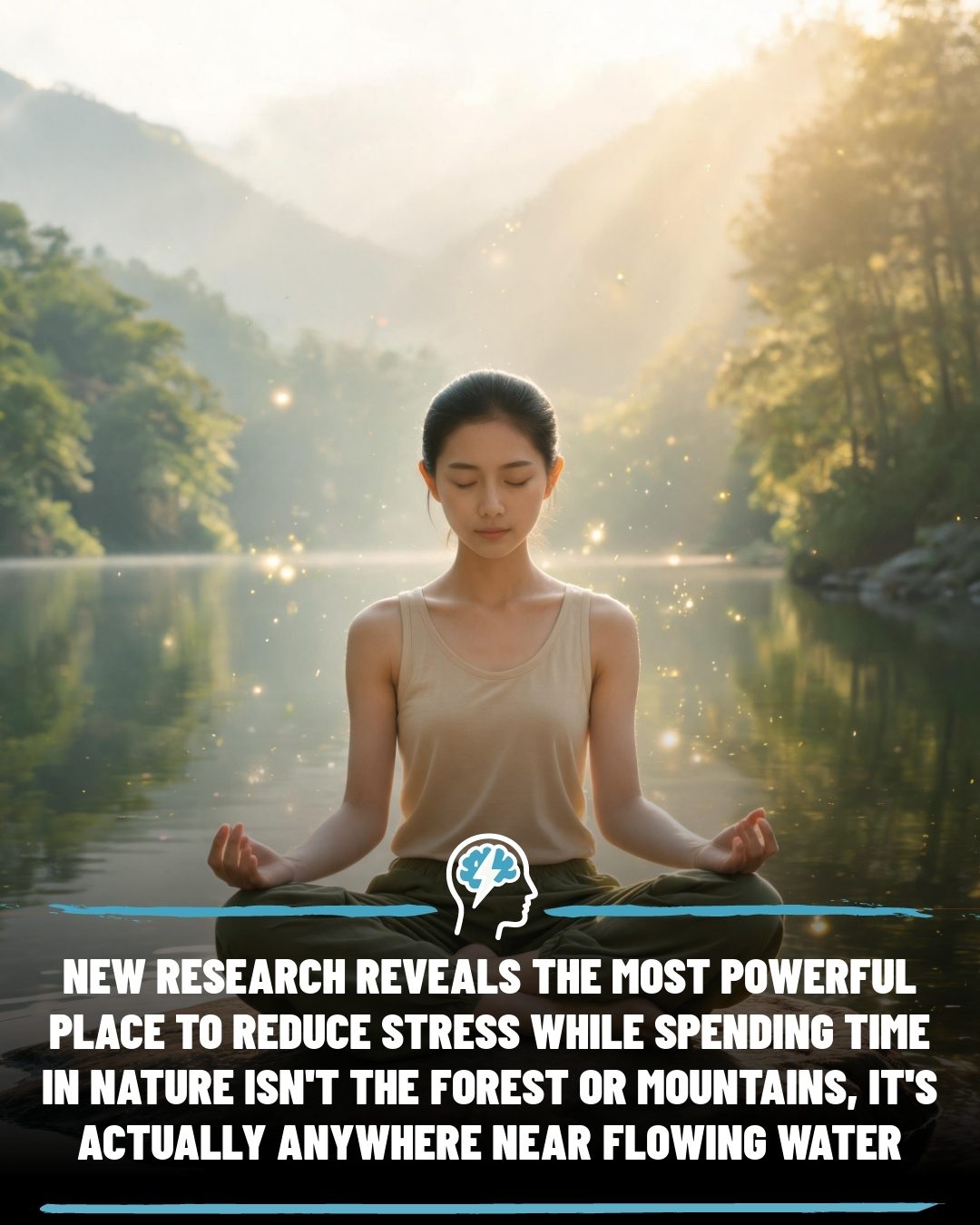
The calming effects of nature are well-known, but recent research highlights that the most powerful place to reduce stress while spending time in nature isn't the forest or mountains—it's actually anywhere near flowing water.
Context / Why This Matters
In today's fast-paced world, stress is an inevitable part of life. Finding effective ways to manage it is crucial for maintaining mental and physical well-being. Engaging with natural environments, particularly those near water, offers a scientifically proven method to alleviate stress and enhance overall mental health.
Main Discussion
The Power of Blue Spaces
Blue spaces, or natural environments near water, have a unique ability to calm the mind and reduce stress. This isn't just a subjective feeling; scientific research supports the powerful effects of blue spaces on mental health. The sound of moving water, for instance, acts like white noise, quieting intrusive thoughts and promoting a state of relaxation. This auditory experience is beneficial because white noise can help drown out distractions, allowing the mind to focus inward rather than on external stressors.
The Role of Light and Air
The visual aspect of blue spaces also plays a significant role in their calming effect. Light reflecting off water and open horizons gently pulls your attention, reducing the need for conscious effort to relax. This visual stimulation can be soothing, as it provides a gentle distraction without overloading the senses. Additionally, air near water carries more negative ions, which are known to lift mood and enhance feelings of well-being. These negative ions can counteract the positive ions that often accumulate in indoor environments, contributing to stress and fatigue.
The Science Behind the Calming Effect
Spending time near water allows the brain to slip into the default mode network (DMN), a resting state associated with creativity and problem-solving. In today's world, modern life demands constant focused attention, which can be mentally taxing. This constant engagement wears down the mind, making it less efficient and more prone to stress.
Blue spaces give your senses something to do without asking anything back. This gentle engagement allows heart rates to drop and stress hormones to slow down, creating a more balanced and peaceful state. The fact that the brain can enter a state of rest and reflection near water is a testament to its restorative properties. By providing a tranquil environment, blue spaces can help regulate mood and mental health over the long term.
The Benefits of Regular Exposure
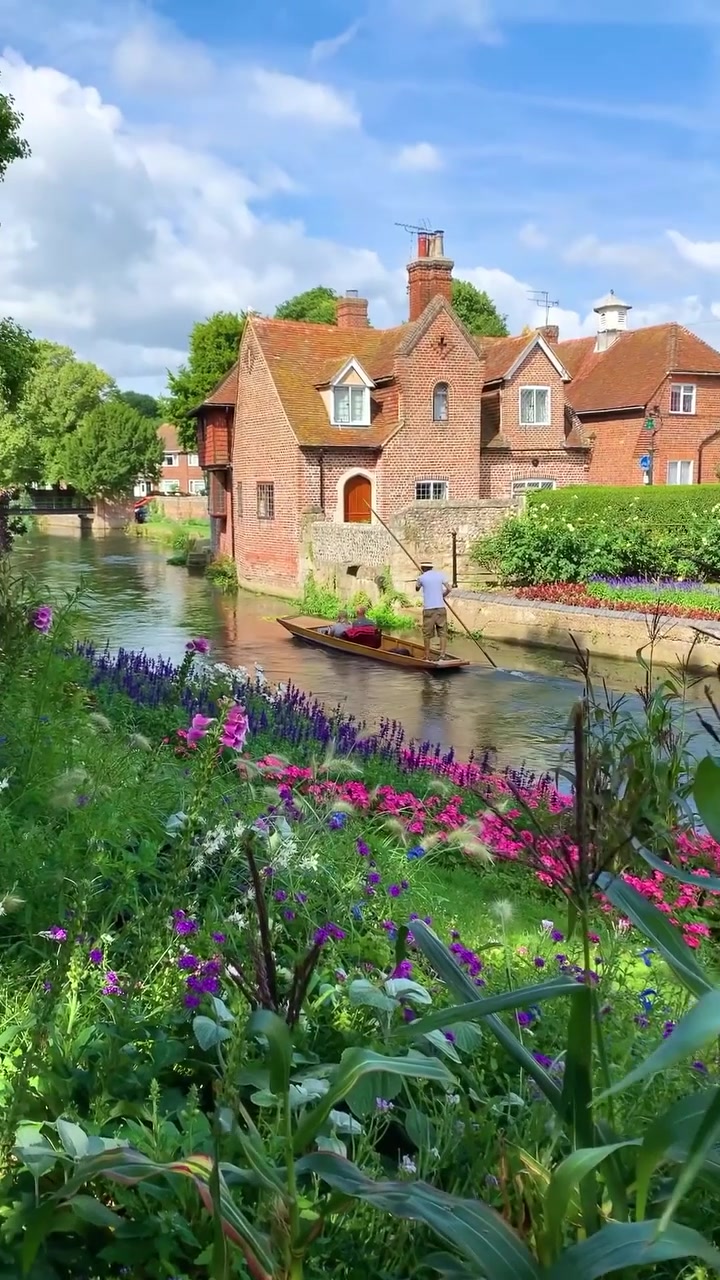
Regularly incorporating time near water into your week can help maintain mental health over the years. This doesn't necessarily mean you need to live by an ocean or spend hours by a lake. Even a small fountain or a local pond can shift your mood and provide the benefits of blue spaces. Activities like a walk along a riverbank or a few quiet minutes by a lake offer simple, accessible ways to reset in a noisy world.
Practical Tips
Integrating Blue Spaces into Your Routine
Blue spaces offer a wealth of benefits, but how do you integrate them into your daily routine? Here are some practical tips to help you get started:
-
Choose a Water Feature: If you live in an urban area, look for local parks or gardens with ponds or fountains. Even the sound of a small water feature can have a calming effect.
-
Plan Short Breaks: You don't need to spend hours by the water to reap the benefits. A few minutes of quiet reflection by a lake or river can significantly reduce stress levels.
-
Mindful Walking: Take a walk along a riverbank or near a lake. Focus on the sensation of the water, the sound of the waves, and the rhythm of your steps. This mindful practice can help clear your mind and reduce stress.
Important Takeaways
-
Blue spaces offer numerous benefits: Spending time in nature near flowing water can significantly reduce stress and improve mental health.
-
The calming effects of water: The sound of moving water, the visual stimulation of light reflecting off water, and the mood-lifting effects of negative ions make blue spaces particularly effective for relaxation.
-
Ease of access: You don't need an ocean to experience the benefits of blue spaces. Small fountains, local ponds, and even the sound of a water feature in a garden can have a positive impact.
-
Regular integration: Incorporating regular time near water into your weekly routine can help maintain mental health over the long term.
Conclusion
Spending time in blue spaces—natural environments near flowing water—provides a powerful tool for reducing stress and enhancing well-being. The calming effects of moving water, the visual stimulation of light on water, and the mood-lifting properties of negative ions create an ideal environment for relaxation and mental restoration. Whether you live near a body of water or simply have access to a small fountain, integrating blue spaces into your routine can offer immediate and long-term benefits for your mental health.
Questions readers ask
What makes blue spaces ideal for meditation?
Blue spaces are ideal for meditation because the combination of the soothing sounds of flowing water, the visual aesthetics of the water, and the atmospheric effects all work together to create a relaxing environment. This environment helps to reduce distractions, allowing for a more focused and restful meditation experience.
How does the sound of flowing water aid in relaxation during meditation?
The sound of flowing water has a calming effect on the mind and body. It acts as a natural white noise, drowning out other distractions and promoting a sense of tranquility. This sound can help lower heart rate and blood pressure, making it easier to achieve a state of deep relaxation and mindfulness.
What are some effective nature meditation techniques near water?
Some effective nature meditation techniques near water include mindful breathing, where you focus on the rhythm of your breath in sync with the flow of the water. Another technique is sensory awareness, where you engage all your senses to connect with the water environment, noticing the sights, sounds, and sensations around you. Additionally, guided imagery can be used, envisioning the water's journey as a metaphor for the flow of your thoughts and emotions.
Can meditation near water help reduce stress levels?
Yes, meditation near water can significantly reduce stress levels. The calming effects of water environments, combined with meditation practices, help to lower cortisol levels—the stress hormone—promoting a state of relaxation and mental clarity. Regular practice can lead to long-term benefits in stress management and overall mental well-being.
What are the benefits of incorporating blue spaces into a mindfulness routine?
Incorporating blue spaces into a mindfulness routine offers numerous benefits, including enhanced relaxation, improved focus, and reduced anxiety. The unique qualities of blue spaces can deepen your mindfulness practice by providing a serene backdrop that encourages a heightened sense of presence and connection with nature.
How does mindfulness meditation by water differ from other forms of meditation?
Mindfulness meditation by water differs from other forms of meditation in that the natural environment itself acts as an anchor for focus, rather than just an object like the breath. The constant, soothing presence of water can make it easier to maintain concentration and achieve a deeper state of mindfulness and relaxation.
Are there specific types of water settings that are best for meditation?
While any body of flowing water can be beneficial, settings with gentle, calm water tend to be particularly effective for meditation. Examples include streams, rivers, and even small waterfalls. The key is to choose a location where the water's flow is steady and not overwhelming, allowing you to fully engage with the calming sounds and visuals without distractions.
Related deep dives
Similar reads based on topic and creator.




Recent articles
Fresh deep dives from the latest Reels we unpacked.



Comments
Be the first to comment.