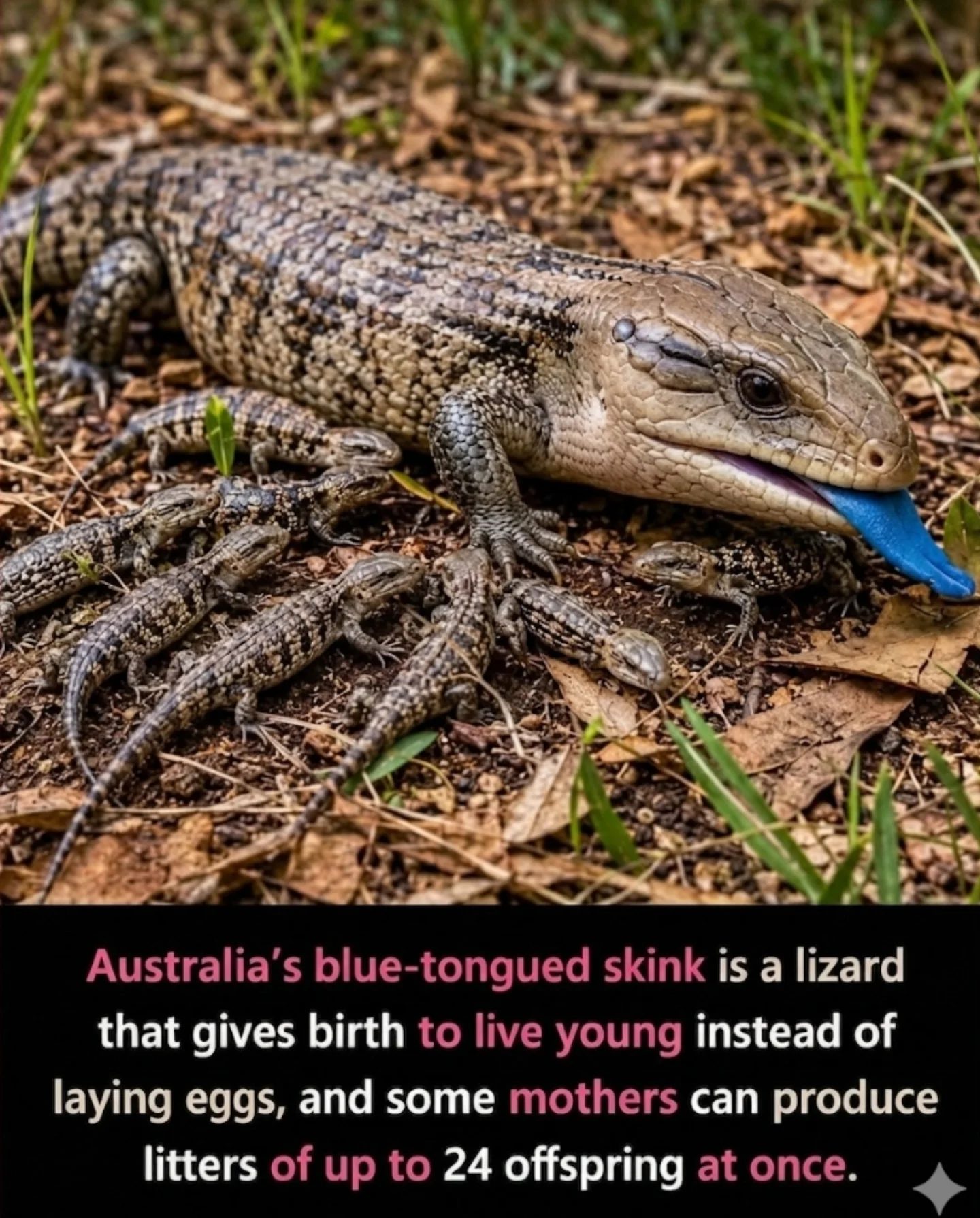
Blue- tongued Skink Reproduction
The blue-tongued skink (Tiliqua scincoides) is a fascinating Australian reptile renowned for its unique reproductive biology and distinctive defensive adaptations. This lizard's reproductive strategies and survival mechanisms make it a notable subject in the world of wildlife.
Context / Why this matters
Understanding the reproductive biology and defensive mechanisms of the blue-tongued skink provides valuable insights into the diversity of reptile species and their adaptations to various environments. These insights are crucial for conservation efforts and for appreciating the complexities of wildlife behavior.
Main discussion
Reproductive Biology
One of the most striking features of the blue-tongued skink is its reproductive strategy. Unlike many reptiles that lay eggs, the blue-tongued skink is viviparous, meaning it gives birth to live young. This characteristic is relatively uncommon among lizards, making the blue-tongued skink a unique case study in reptile reproduction. The ability to give birth to live young allows the skink to enhance the survival rates of its offspring, as the young are more developed and better equipped to face environmental challenges from the moment of birth.
Fecundity
The fecundity, or reproductive capacity, of the blue-tongued skink is particularly noteworthy. A single mother can produce a litter of up to 24 offspring in a single birthing event. This high reproductive rate is essential for the species' survival and proliferation, especially in environments where predators and environmental factors pose significant threats. The large litter sizes ensure that even if some offspring do not survive, the overall population can remain stable or grow.
Defensive Mechanisms
The blue-tongued skink's bright blue tongue is a critical component of its defense strategy. When threatened, the lizard will hiss and flash its tongue to shock or deter predators. This startling display is not only a visual deterrent but also a means to buy time. The intense reaction allows the vulnerable offspring to escape into the safety of the surrounding leaf litter, increasing their chances of survival. This defensive mechanism is a testament to the skink's adaptive behaviors and its role in ensuring the survival of its young.
Survival Strategy
The blue-tongued skink’s survival strategy is multifaceted. The combination of giving birth to live young, producing large litters, and employing a vivid defensive display ensures that the species can thrive in its natural habitat. The young, born relatively developed, are better prepared to navigate the challenges of their environment, while the mother's defensive actions provide additional protection. This overall strategy is a blend of reproductive biology and behavioral adaptations that contribute to the species' resilience.
Practical tips
For those interested in observing or studying blue-tongued skinks, there are several practical tips to consider:
Observing in the Wild
When observing blue-tongued skinks in their natural habitat, it is essential to do so from a safe and non-intrusive distance. Avoid disturbing the skinks, especially if they are with their offspring, as this can disrupt their defensive behaviors and survival strategies.
Conservation and Protection
Efforts to conserve and protect blue-tongued skinks and their habitats are crucial. Supporting organizations dedicated to wildlife conservation and participating in initiatives that preserve natural habitats can help ensure the continued survival of the species.
Captive Care
For those who keep blue-tongued skinks as pets, providing a suitable environment is key. This includes a spacious enclosure with plenty of leaf litter for the young to hide in, a balanced diet, and a safe, predator-free space. Understanding their natural behaviors and needs can enhance their well-being in captivity.
Important takeaways
The blue-tongued skink's unique reproductive biology and defensive mechanisms highlight the remarkable adaptations found in wildlife. Key takeaways include:
- The blue-tongued skink gives birth to live young, a trait uncommon among lizards.
- Litter sizes can be as large as 24 offspring, enhancing the species' reproductive success.
- The bright blue tongue serves as a critical defensive mechanism, deterring predators and providing time for offspring to escape.
- The combination of reproductive biology and behavioral adaptations ensures the survival and proliferation of the species.
Conclusion
The blue-tongued skink is a captivating example of the diversity and complexity found in the natural world. Its viviparous reproductive strategy, high fecundity, and unique defensive mechanisms make it a fascinating subject for study and conservation. By understanding these aspects, we can better appreciate the intricacies of wildlife and the importance of preserving natural habitats.
Questions readers ask
What makes the blue-tongued skink's reproduction unique among lizards?
The blue-tongued skink is unique because it gives birth to live young, unlike most lizards that lay eggs. This trait, known as viviparity, is relatively rare among reptiles, making the blue-tongued skink a notable example. The live birth strategy is beneficial for certain habitats, and the skink's reproductive biology provides interesting insights into reptile diversity.
How does the blue-tongued skink use its tongue as a defense mechanism?
The blue-tongued skink employs a distinctive defensive tactic by flashing its vibrant blue tongue when threatened. This bright display is often accompanied by an open-mouthed stance, which can startle or deter potential predators. The tongue display is a key behavior that contributes to the species' survival strategies.
Are there different types of blue-tongued skinks with varying reproductive strategies?
Yes, there are several species and subspecies of blue-tongued skinks, each with its unique characteristics. However, all known blue-tongued skink species share the common trait of giving birth to live young, distinguishing them from other lizard species that typically lay eggs.
What are some other defense tactics used by the blue-tongued skink?
In addition to displaying its blue tongue, the blue-tongued skink may use other defensive tactics such as hissing, puffing up its body, and even biting if cornered. These behaviors help the skink to avoid or deter predators in its natural habitat.
Why is the study of blue-tongued skink biology important for conservation?
Understanding the blue-tongued skink's biology, including its reproductive strategy and defensive behaviors, is crucial for developing effective conservation strategies. This knowledge helps in preserving the species' natural habitats and ensuring their continued survival in the face of environmental challenges.
How does the blue-tongued skink's live birth strategy benefit its survival?
The live birth strategy of the blue-tongued skink can be advantageous in environments where eggs might be vulnerable to predators or harsh conditions. By giving birth to live young, the skink ensures that its offspring have a higher chance of survival, as they are more developed and better equipped to face the challenges of their habitat.
Related deep dives
Similar reads based on topic and creator.




Recent articles
Fresh deep dives from the latest Reels we unpacked.




Comments
Be the first to comment.