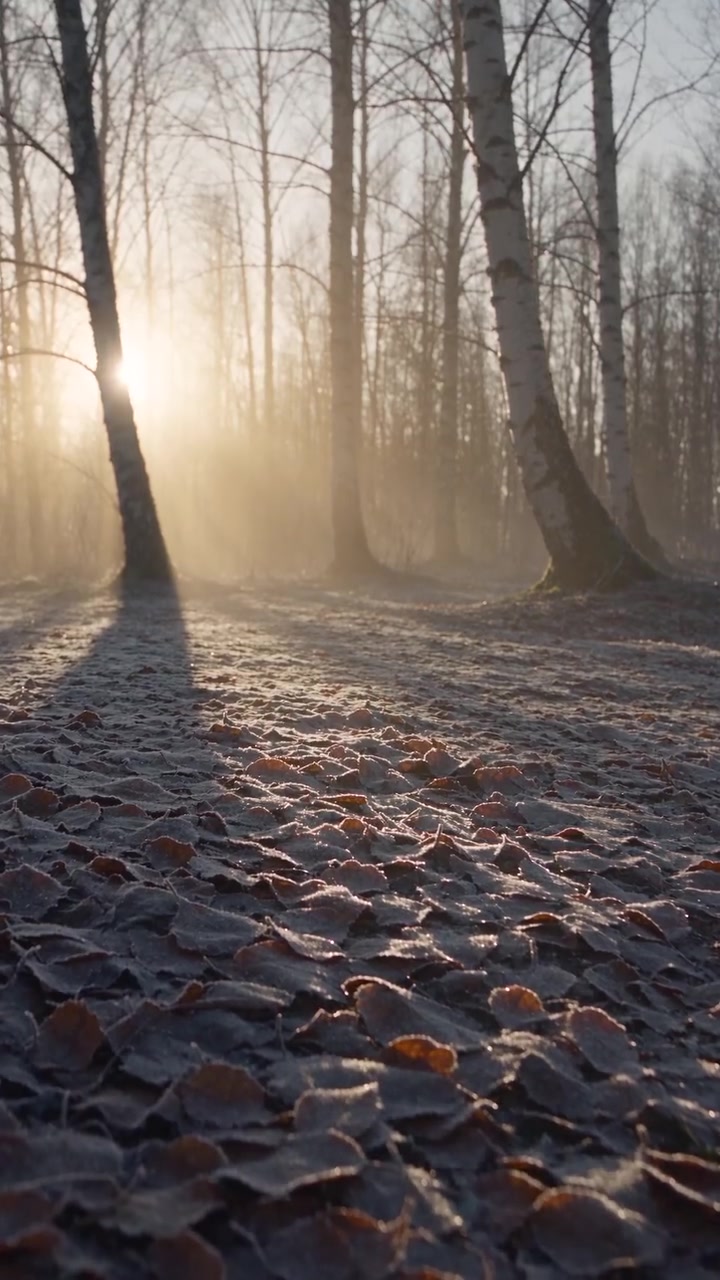
It's a peculiar sight: a frog frozen solid, its heart stopped, and lungs stilled. It looks lifeless — dead, even — amidst a forest floor of fallen leaves and frost. Yet this incredible small animal is alive. It's a wood frog, and those frigid moments are part of its annual winter ritual. Wood frogs exemplify a remarkable phenomenon in the animal kingdom. They have a unique biological strategy to withstand freezing temperatures for weeks or months, sometimes staying frozen for seven months at about minus 16 degrees Celsius. To the untrained eye, this frog looks just like any other, but it isn’t. The wood frog's secret involves a combination of adaptive behaviors and physiological processes that enable it to survive this extreme environmental challenge.
The Frog That Warrants a Second Look
When winter sets in, more than half of the water in a wood frog's body turns to ice. This transformation can make its vital organs stop working — its heart, for example, halts its rhythmic beat, and its brain signals cease. Consequently, for humans observing this, the wood frog appears dead. Yet, the frog is very much alive, thanks to a biological trick: its liver floods the bloodstream with glucose as the ice takes over. This process is both a spectacular and fragile biological feat. It’s why many commenters on the frozen frog were skeptical of its true nature. The on-screen text reveals that the liver's release of glucose is crucial in preventing the inside of every cell from freezing. As a result, the frog can effectively survive extreme cold for weeks or even months. However, this isn’t without risks, such as catching botulism.
The secret of the mountain woodland
The story of the wood frog is deeply intertwined with the harsh realities of life in the wilderness. Its habitat, as shown in the vision frames, is typically a mountainous wood of frost covered leaves. While most animals avoid these wintery climates, the wood frog has evolved to thrive in them. This physiological adaptation allows the wood frog not only to survive but also to flourish in an environment that would be deadly to many other species. This ensures that the frog can continue its life cycle and remain a vital part of the ecosystem.
How the Wood Frog Endures Winter
The wood frog's ability to survive freezing temperatures is a complex process that involves multiple bodily functions. As the weather turns cold, the frog begins to prepare for its frozen state. It undergoes a physiological process that includes converting glycogen to glucose in its liver, which circulates through its bloodstream. Glucose acts as a natural antifreeze, preventing the formation of ice crystals within cells and keeping them in a liquid state. Thanks to this process, the frog can survive extreme cold for extended periods. The wood frog is then able to resume its normal activities once the ice melts in the spring.
The Yearly Cycle of Ice and Revival
What is perhaps most fascinating about the wood frog's annual cycle is its capacity to resume life so swiftly. Once spring arrives, the ice melts, triggering the frog's body to restart. Its heart resumes beating, and it begins to breathe again. From a frozen state, the wood frog can go from lifeless to active in a matter of moments. It then hops away to breed, continuing its life cycle. One unexpected point raised by commenters was the concern that the frog might be vulnerable to botulism. Botulism is a serious disease that can cause paralysis of the muscles. It is caused by a toxin produced by the bacterium Clostridium botulinum. However, no evidence suggests that a wood frog cannot survive botulism.
Outsmarting Winter: The Wood Frog’s Natural Trick
While the wood frog is a unique and amazing creature, some viewers might wonder: can this process be replicated or studied further to help humans in extreme conditions? The wood frog's survival strategy is more than just a biological curiosity. Studying wood frogs can provide valuable insights into human health in critical care and cryopreservation. The process of freezing and thawing is currently being investigated as a potential treatment for cancers and other diseases. The ability to halt cellular activity and resume it without damage holds profound implications for ethical advances in medicine. This wood frog's inclusive biological process of staying warm is a fascinating subject to explore. Students in highschools and colleges can replicate the techniques to study the biological phenomenon and how it is governed by certain stimuli.
When to Hop Away
How the wood frog navigates its frozen winter slumber involves complex physiology, benefiting from a unique and supportive environment. Yet, it's also worth considering that the wood frog's ability to survive in such extreme conditions is a double-edged sword. On one hand, it ensures the species' survival and procreation. On the other, it makes the frogs vulnerable to environmental changes and human interventions. The wood frog's journey from winter's frozen embrace to spring's renewed life is a testament to the extraordinary adaptations found in nature. It serves as a reminder of the delicate balance between life and death, survival and adaptation. This humble creature, with its remarkable ability to freeze and thaw, offers insights into the wonders of the natural world and the potential for scientific discovery.
Questions readers ask
How does the wood frog's liver help it survive freezing temperatures?
The wood frog's liver plays a crucial role by flooding the bloodstream with glucose as ice begins to form. This glucose acts as a natural antifreeze, preventing the inside of every cell from freezing and ensuring the frog's survival during the harsh winter months. Without this process, the wood frog's cells would be damaged by ice crystals, making it impossible for the frog to revive in the spring.
What happens to the wood frog's vital organs when it freezes?
When the wood frog freezes, more than half of the water in its body turns to ice, which can cause its vital organs to stop functioning. Its heart stops beating, and its brain signals cease, making it appear lifeless. However, the frog is still alive thanks to the glucose released by its liver, which protects its cells from freezing.
Can other animals survive being frozen like the wood frog?
While the wood frog's ability to survive being frozen is unique, there are a few other animals that can tolerate extreme cold. For example, some insects and certain species of fish have antifreeze proteins that help them survive subzero temperatures. However, the wood frog's strategy of converting glycogen to glucose and flooding its bloodstream is particularly remarkable and not widely seen in other animals.
What risks does the wood frog face during its frozen state?
Although the wood frog's strategy is effective, it's not without risks. One significant risk is catching botulism, a severe illness caused by a bacterium that thrives in low-oxygen environments. Additionally, if the frog's body temperature fluctuates too much during its frozen state, it could potentially damage its cells and organs.
How does the wood frog's habitat influence its survival strategy?
The wood frog's habitat in mountainous woodlands with frost-covered leaves plays a significant role in shaping its survival strategy. This harsh environment has driven the evolution of its unique physiological adaptations, allowing it to thrive where many other species would perish. By embracing the cold rather than avoiding it, the wood frog ensures its continued existence and ecological importance.
What triggers the wood frog to resume its normal activities in the spring?
As spring arrives and the ice melts, the wood frog's body begins to warm up, triggering it to resume its normal activities. Its heart starts beating again, and it begins to breathe. This swift resumption of life is a testament to the remarkable adaptations that allow the wood frog to survive the extreme conditions of winter.
Related deep dives
Similar reads based on topic and creator.
Recent articles
Fresh deep dives from the latest Reels we unpacked.
Comments
Be the first to comment.