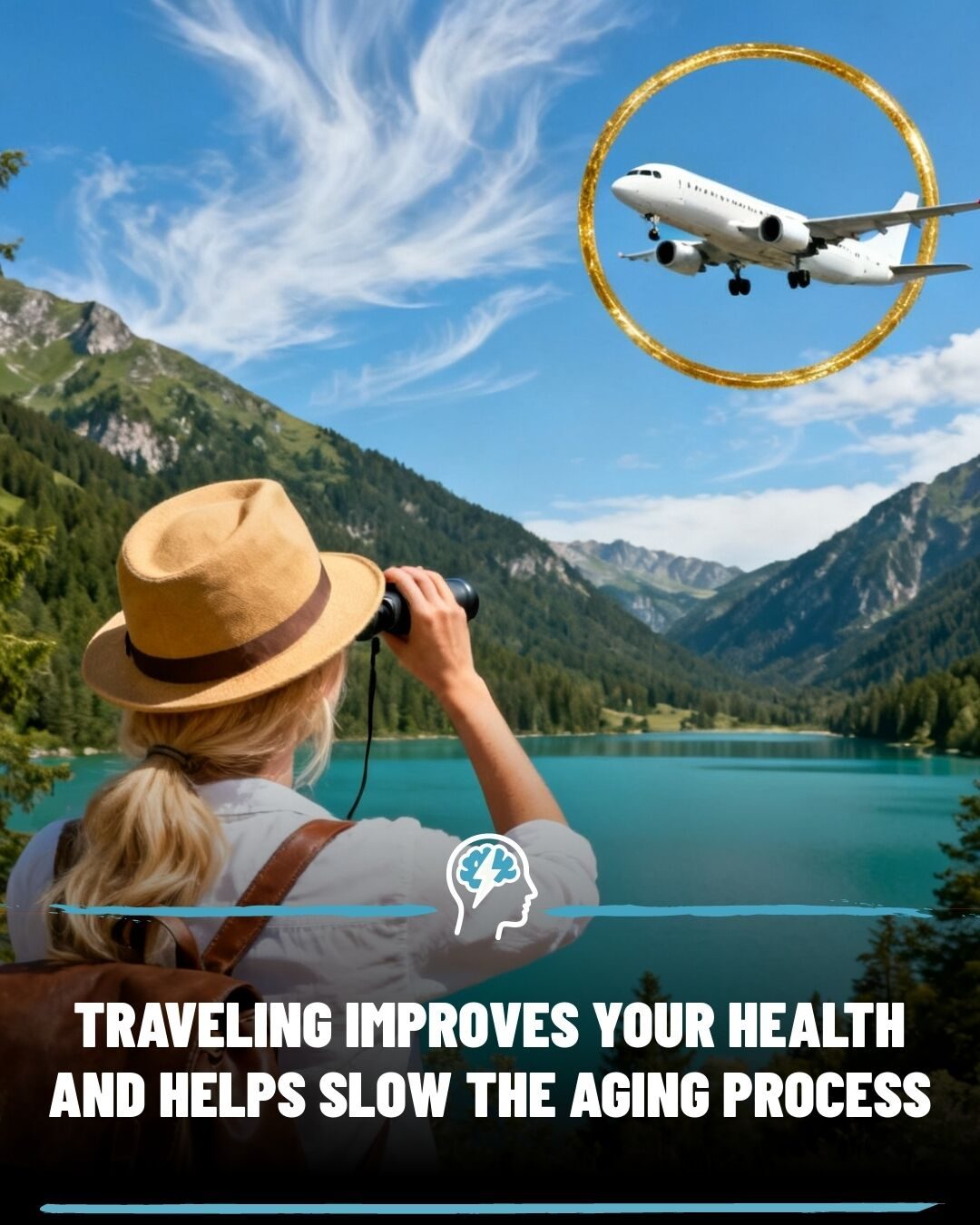
Travel and Wellness: How Vacations Impact Your Health
Taking time off from work to travel and relax can offer more than just a break from routine. It can significantly benefit your overall well-being. Studies reveal that vacations may protect your heart and contribute to a longer, healthier life.
Context: Why This Matters
In today's fast-paced world, stress and burnout are common. The demands of work, family, and daily life can take a toll on our health. This is where travel comes in as a powerful tool for self-care. Regular vacations have shown various health benefits, making them crucial for maintaining a balanced lifestyle.
The Science Behind Travel and Heart Health
Stress Reduction
One of the key benefits of travel is stress reduction. When you step away from your daily routine, your stress hormones like cortisol begin to decrease. Chronic stress can lead to elevated cortisol levels, which constrict blood vessels, increase inflammation, and place a strain on your cardiovascular system. By taking a break, you give your body a chance to recover and reset.
Decreased Risk of Heart Disease
Research indicates that people who take vacations regularly have a lower risk of heart disease. One major study found that those who rarely take vacations face around a 30% higher risk of heart attack compared to frequent travelers. For women, the risk can be even higher. A 9-year study tracking men at high risk for heart disease found that those who took more frequent annual vacations had significantly lower rates of coronary heart disease and heart attacks.
Increased Longevity
The benefits of travel aren't limited to heart health. Regular travelers, including the elderly, have shown roughly a 27% lower risk of dying from any cause compared to non-travelers. This suggests that vacations contribute to overall longevity and health.
The Impact of Travel on Aging
Travel doesn't just benefit your heart; it also helps slow the aging process. Studies suggest that traveling improves your health by reducing stress and promoting well-being. The combination of rest and novelty—stepping away from daily stress and experiencing new environments—appears to have a positive impact on aging.
Practical Tips for Maximizing the Benefits of Travel
While the benefits of travel are clear, it's essential to plan your trips wisely to maximize their health benefits. Here are some practical tips:
Plan Ahead
Plan your trips well in advance to ensure you have enough time to relax and unwind. Last-minute trips can often be stressful, negating some of the benefits.
Choose the Right Destination
Select destinations that align with your interests and relaxation goals. Whether it's a serene beach, a mountain retreat, or a cultural city, the right destination can enhance your travel experience and health benefits.
Disconnect from Work
Make a conscious effort to disconnect from work-related tasks. This includes emails, calls, and meetings. The goal is to give your mind and body a complete break from work.
Engage in Relaxing Activities
Whether it's yoga, meditation, hiking, or simply reading a book, engage in activities that promote relaxation and wellness. These activities can help you make the most of your vacation.
Important Takeaways
Taking time off to travel can have profound effects on your heart health and overall well-being. Regular vacations can lower stress hormones, reduce the risk of heart disease, and even contribute to a longer life. While the travel period itself can temporarily increase stress, the long-term benefits are undeniable. It's important to remember that individual results may vary based on health, lifestyle, and how you spend your time off.
Conclusion
Vacations are more than just a break from work; they are a vital component of a healthy lifestyle. By taking time to travel and relax, you can protect your heart, slow the aging process, and improve your overall well-being. So, if you've been putting off that trip or feeling guilty about taking time away, consider this your sign. Your heart and body may thank you for it.
Questions readers ask
How does taking regular vacations benefit heart health?
Regular vacations have been linked to a lower risk of heart disease by reducing stress levels and promoting better sleep and relaxation. This break from daily routines allows the body to recover from stress, which can have a positive impact on heart health.
Can traveling really help prevent heart disease?
Yes, traveling can help prevent heart disease. Studies have shown that taking time off to relax and enjoy new experiences can lower stress levels, which is a significant factor in heart disease prevention. Additionally, the physical activities often associated with travel, such as walking and exploring, contribute to overall cardiovascular health.
How do vacations contribute to a longer, healthier life?
Vacations contribute to a longer, healthier life by reducing stress, improving mental well-being, and promoting better heart health. The rejuvenation from travel can lower blood pressure and improve overall cardiovascular function, which are key factors in extending lifespan and maintaining good health.
What specific aspects of travel help in reducing stress levels?
Travel helps in reducing stress levels through various means, such as disengaging from daily responsibilities, experiencing new environments, and engaging in relaxing activities. The change of scenery and the opportunity to unwind can significantly lower cortisol levels, the stress hormone, and promote a sense of calm and well-being.
How often should one travel to gain the benefits for heart health?
To gain the benefits for heart health, it is recommended to take at least one or two vacations per year. However, even shorter getaways or staycations can provide stress relief. The key is to regularly take time off from routine to allow the body and mind to recharge and reduce the accumulation of stress.
Are there any specific activities during travel that boost heart health?
Activities such as walking, hiking, and exploring new places during travel can boost heart health by increasing physical activity. Engaging in new experiences and social interactions can also reduce stress and improve mental well-being, which indirectly supports heart health. Additionally, trying local cuisine can expose you to new, healthy foods that benefit overall health.
How does travel impact heart health as we age?
As we age, the benefits of travel on heart health become even more pronounced. Regular vacations can help manage age-related stress, reduce the risk of heart disease, and promote better sleep patterns. By staying active and engaged, travel can also improve overall well-being and contribute to a healthier, more balanced lifestyle in later years.
Related deep dives
Similar reads based on topic and creator.




Recent articles
Fresh deep dives from the latest Reels we unpacked.




Comments
Be the first to comment.