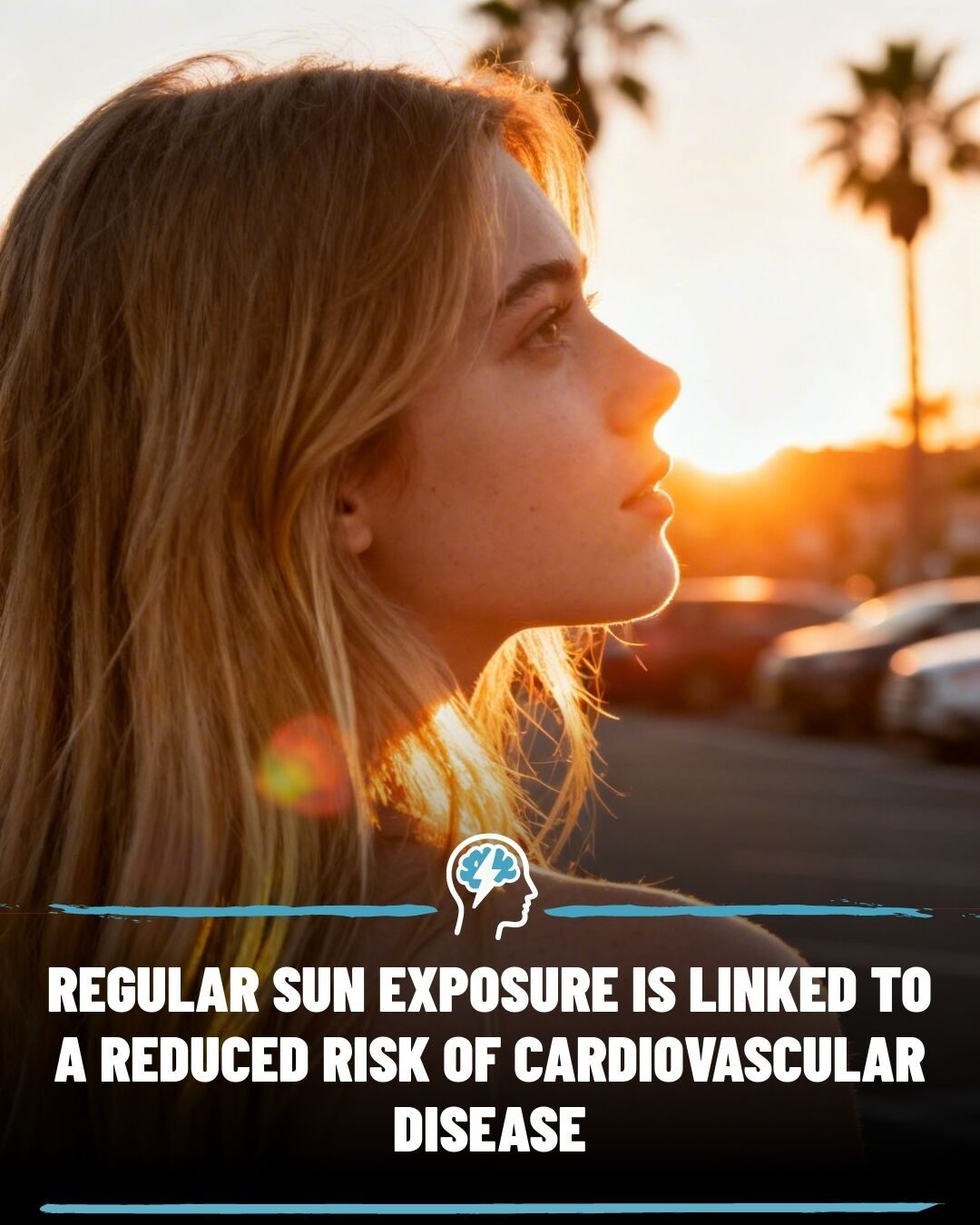
Sun Exposure and Cardiovascular Health
Sun exposure has long been a topic of debate when it comes to its effects on human health. While it is well-known that moderate sun exposure is necessary for vitamin D production, its impact on cardiovascular health is less understood. Recent findings reveal a more intricate relationship between sunlight and heart health.
Context / Why This Matters
Cardiovascular diseases are a leading cause of death worldwide. Understanding how environmental factors, such as sun exposure, influence cardiovascular health is crucial for developing preventive strategies. The nuanced relationship between sunlight and heart health offers insights into optimizing daily routines to support cardiovascular well-being.
Main discussion
The J-shaped Curve: Moderation is Key
Research indicates that the relationship between sun exposure and cardiovascular health follows a J-shaped curve. This means that both insufficient and excessive sun exposure can increase the risk of heart failure.
Benefits of Moderate Sunlight
Studies have shown that moderate sun exposure, defined as 1 to 2.5 hours per day, may support cardiovascular health. This level of exposure has been linked to a reduced risk of cardiovascular disease. The key mechanism involves the release of nitric oxide, a molecule that helps relax blood vessels and maintain healthy blood pressure. Even brief exposure, around 10 minutes on a clear day, can trigger this beneficial process.
Risks of Insufficient and Excessive Sunlight
Insufficient sun exposure, less than 1 hour per day, and excessive exposure, over 2.5 hours per day, have been associated with increased health risks. Insufficient sunlight can lead to vitamin D deficiency, which is linked to various health issues, including cardiovascular problems. Conversely, prolonged sun exposure can increase the risk of skin cancer and other health complications.
Sunlight, Nitric Oxide, and Circadian Rhythms
Sunlight interacts with the body in complex ways that influence cardiovascular health. When sunlight hits the skin, it triggers the release of nitric oxide, which helps dilate blood vessels and improve blood flow. This process can support healthy blood pressure and cardiovascular function.
Additionally, sunlight plays a crucial role in regulating circadian rhythms, which are essential for overall health and cardiovascular function. Disruptions in circadian rhythms have been linked to an increased risk of heart disease, highlighting the importance of consistent, moderate sun exposure.
Long-term Exposure and Seasonal Factors
Long-term exposure to sunlight, exceeding 3.5 hours daily, has been associated with an increased risk of sudden cardiac arrest and coronary heart disease, particularly during summer months. This finding challenges the notion that more sunshine always equals better heart health. Seasonal factors, such as increased UV radiation during summer, can exacerbate the risks of prolonged sun exposure.
It is essential to consider individual factors, such as skin type, location, and overall health, when evaluating the appropriate amount of sun exposure. People with fair skin, for example, may be more susceptible to the harmful effects of excessive sunlight. Similarly, those living in regions with high UV indices should be particularly cautious about prolonged sun exposure.
Practical tips
-
Monitor Your Exposure: Keep track of your daily sun exposure. Aim for 1 to 2.5 hours of outdoor light per day, adjusting for your skin type and location.
-
Consistent Routines: Maintain a consistent sun exposure routine to support your circadian rhythms. This can help regulate your body's natural rhythms and support cardiovascular health.
-
Stay Informed: Research the UV index in your area and adjust your sun exposure accordingly. In regions with high UV indices, it may be necessary to limit sun exposure during peak hours.
-
Take Precautions: Use sunscreen, wear protective clothing, and seek shade when necessary to minimize the risks associated with prolonged sun exposure.
-
Consult Professionals: If you have concerns about your sun exposure or cardiovascular health, consult a healthcare provider for personalized advice.
Important takeaways
The relationship between sun exposure and cardiovascular health is complex and requires a nuanced understanding. Moderate, consistent sun exposure can offer benefits, but excessive exposure carries its own risks. Individual factors, such as skin type and location, play a significant role in determining the appropriate amount of sun exposure. Balancing sunlight exposure is essential for optimizing cardiovascular health and overall well-being.
Conclusion
Understanding the relationship between sun exposure and cardiovascular health can empower individuals to make informed decisions about their daily routines. Moderate sun exposure, consistent routines, and informed precautions are key to supporting cardiovascular health and minimizing risks. By balancing sunlight exposure, individuals can harness the benefits of sunshine while avoiding the potential pitfalls of excessive exposure.
Questions readers ask
How does moderate sun exposure affect heart health?
Moderate sun exposure can have positive effects on heart health, primarily through the production of vitamin D, which helps regulate blood pressure and supports cardiovascular function. However, the relationship is complex, and both insufficient and excessive sun exposure can increase risks.
What is the 'J-shaped curve' in the context of sun exposure and heart health?
The 'J-shaped curve' describes the relationship between sun exposure and heart health, where both too little and too much sunlight can increase cardiovascular risks. This means that moderate sun exposure is key to maintaining heart health, and research suggests that both extremes are unhealthy.
How does the 2024 sun exposure study contribute to our understanding of heart health?
The 2024 study provides valuable insights into the nuanced relationship between sunlight and heart health, highlighting the importance of balanced sun exposure. It helps identify the optimal amount of daily sun exposure to support cardiovascular well-being, which can inform better health practices.
What are the risks associated with excessive sun exposure for heart health?
Excessive sun exposure can lead to increased cardiovascular disease risk due to factors such as overheating, dehydration, and the body's inflammatory response to UV radiation. It is essential to find a balance to avoid these potential health hazards.
Can sunlight help prevent heart disease?
Yes, moderate sunlight can help prevent heart disease by aiding in the production of vitamin D, which is crucial for maintaining healthy blood pressure and overall cardiovascular function. However, it is important to avoid both under and over exposure to sunlight, as both can be detrimental to heart health.
What is the optimal amount of sun exposure for heart health?
The optimal amount of sun exposure for heart health varies depending on factors such as skin type, geography, and time of day. Generally, 10–15 minutes of exposure to the face, arms, and hands during peak hours (typically between 10 am and 3 pm) a few times a week is considered beneficial. However, always wear protective clothing, sunglasses, and sunscreen if you plan to be out in the sun for extended periods.
How does sunlight impact vitamin D production and cardiovascular health?
Sunlight triggers the synthesis of vitamin D in the skin, which plays a critical role in regulating blood pressure and supporting overall cardiovascular health. Adequate vitamin D levels are associated with a lower risk of cardiovascular diseases, underscoring the importance of balanced sun exposure.
Related deep dives
Similar reads based on topic and creator.



Recent articles
Fresh deep dives from the latest Reels we unpacked.




Comments
Be the first to comment.