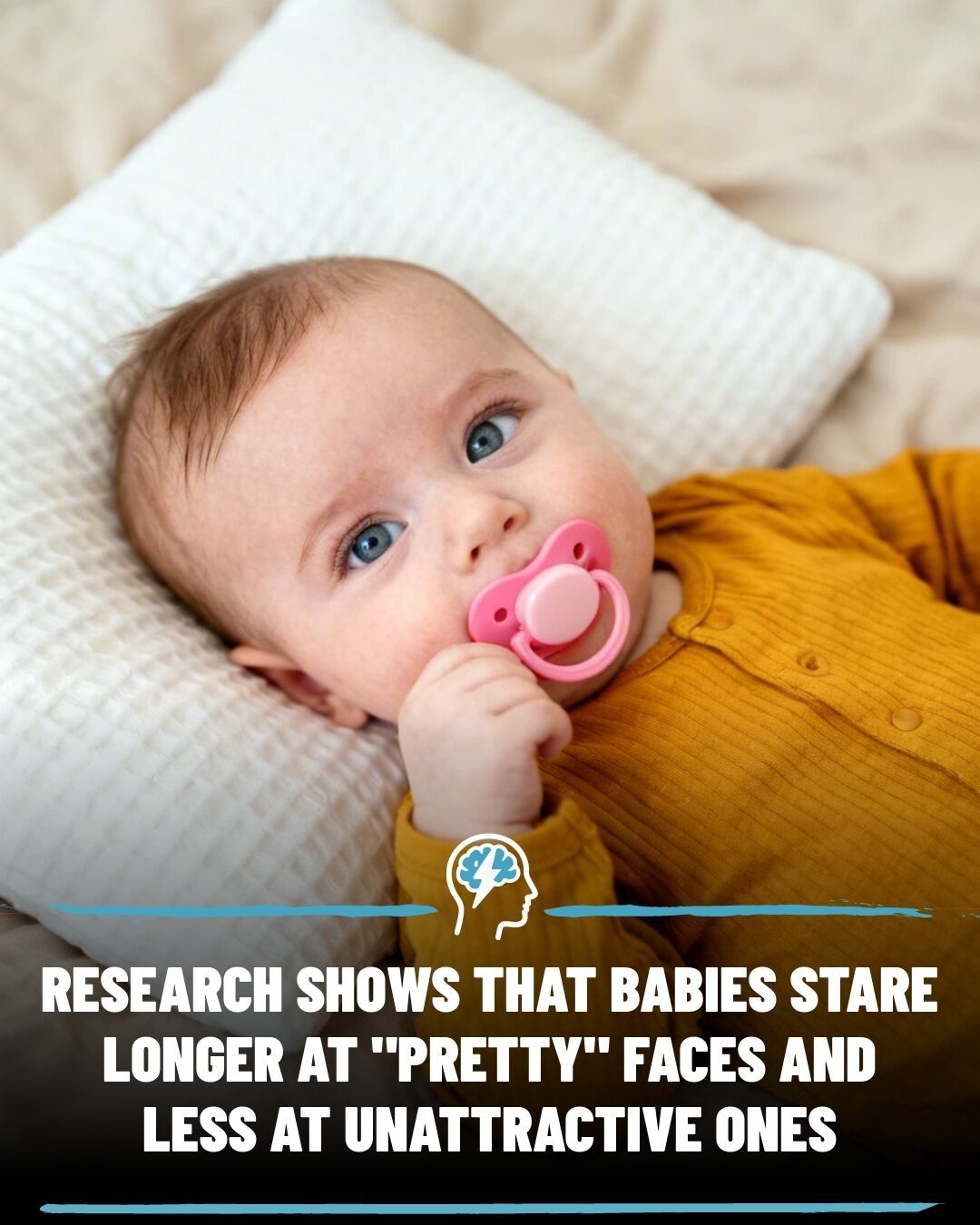
Baby Facial Preferences
From the moment they enter the world, babies exhibit a preference for certain facial features. This phenomenon, often linked to attractiveness, has been the subject of extensive research. Understanding this preference can offer insights into how infants perceive and process visual information.
Why This Matters
Human faces are one of the most complex visual stimuli that infants encounter. Deciphering what attracts their attention can provide valuable information about the development of their visual and cognitive systems. This research also sheds light on the innate tendencies that shape human perception and behavior from the earliest stages of life.
What the Research Shows
Newborns and Facial Attractiveness
Studies have demonstrated that newborns, often less than three days old, spend more time looking at faces that adults rate as attractive compared to those deemed less attractive. This preference is not a learned behavior but rather an innate response present from birth. This early preference indicates that infants are equipped with a sophisticated system for processing and responding to facial information.
The Role of Symmetry
A common misconception is that babies are drawn to symmetrical faces because they are easier to process. However, research contradicts this idea. Studies have shown that infant preferences for facial attractiveness are not based on vertical facial symmetry. Instead, infants as young as four months old exhibit aesthetic preferences similar to adults, focusing on internal facial features like the eyes, nose, and mouth. This finding suggests that babies are more attuned to the nuances of facial structure rather than overall symmetry.
Understanding the Mechanism
The Facial Prototype Theory
The exact reason behind babies' preference for attractive faces is still not fully understood. One theory proposes that attractive faces align more closely with an innate facial "prototype" that infants are born with. This prototype acts as a template for what constitutes an attractive face, guiding the infant's visual preferences from the start. However, this remains an active area of research, and scientists continue to explore the underlying mechanisms.
Complexity of Human Face Perception
It is important to note that human face perception is incredibly complex and varies across individuals. While research highlights a general trend in facial preferences, it does not imply that attractiveness is purely biological or that early preferences predict future development. The complexity of face perception means that many factors influence how infants and adults perceive and interact with faces.
Practical Tips for Parents and Caregivers
Engaging with Infants
Understanding that infants have a natural preference for attractive faces can help parents and caregivers engage more effectively with their babies. Using faces that are perceived as attractive in toys, books, and other materials can capture the infant's attention and foster a deeper connection.
Encouraging Visual Development
While babies may prefer attractive faces, it is essential to expose them to a variety of facial features and expressions. Doing so can help develop their visual and cognitive abilities, making them more adept at recognizing and processing different faces as they grow.
Supporting Cognitive Growth
Engaging in activities that stimulate the infant's visual and cognitive development, such as reading, singing, and playing, can support their overall growth. While facial preferences are innate, nurturing the infant's environment with diverse and enriching experiences can enhance their developmental journey.
Important Takeaways
Inborn Visual Preferences
Babies' preference for attractive faces is an inborn trait, indicating that their visual and cognitive systems are more advanced than previously thought. This innate ability to process and respond to facial information from their earliest moments is a testament to the complexity of human perception.
The Importance of Internal Features
Internal facial features, such as the eyes, nose, and mouth, play a crucial role in determining an infant's preference for attractive faces. This focus on internal features suggests that babies are more sensitive to the intricate details of facial structure, rather than overall symmetry.
Future Research
The field of infant facial preferences is still evolving, with many questions yet to be answered. Future research will continue to explore the underlying mechanisms and the broader implications of these preferences on human development and perception.
Conclusion
The fact that babies exhibit a preference for attractive faces from birth highlights the complexity of their visual and cognitive systems. Understanding these preferences provides valuable insights into how infants perceive and process facial information. As research continues to unravel the mysteries of infant perception, it is clear that their brains are far more sophisticated than once assumed. By engaging with babies in ways that support their natural preferences and stimulate their development, caregivers can help nurture their growth and foster a deeper connection.
Questions readers ask
Do babies have a natural preference for certain facial features?
Yes, babies are born with a natural preference for specific facial features. This preference often aligns with what adults consider attractive, such as symmetrical features and certain arrangements of internal facial features.
What types of facial features do babies find appealing?
Babies tend to prefer faces that are symmetrical and have specific arrangements of internal features; such as the eyes, nose, and mouth. This preference is evident from the moment they are born.
Why do researchers study baby face preferences?
Researchers study baby face preferences to gain insights into how infants process visual information and how their cognitive systems develop. This research can help understand the innate tendencies that influence human perception and behavior from an early age.
At what age do babies start to develop face preferences?
Face preferences develop from birth. Newborns exhibit a natural inclination towards certain facial features, demonstrating that their visual processing and cognitive systems are active from the very beginning.
How does facial symmetry influence a baby's preference?
Facial symmetry plays a significant role in a baby's preferences. Symmetrical faces are often perceived as more attractive, and this preference is evident in how babies respond to different facial structures.
Can understanding baby face preferences benefit adults?
Yes, understanding baby face preferences can provide valuable insights into how visual information is processed, which can inform various fields such as parenting, child development, and even fields like marketing and design.
What methods do researchers use to study baby face preferences?
Researchers use a variety of methods to study baby face preferences, including eye-tracking technology and observing babies' reactions to different facial stimuli. These methods help determine which features babies find most appealing.
Related deep dives
Similar reads based on topic and creator.



Recent articles
Fresh deep dives from the latest Reels we unpacked.




Comments
Be the first to comment.