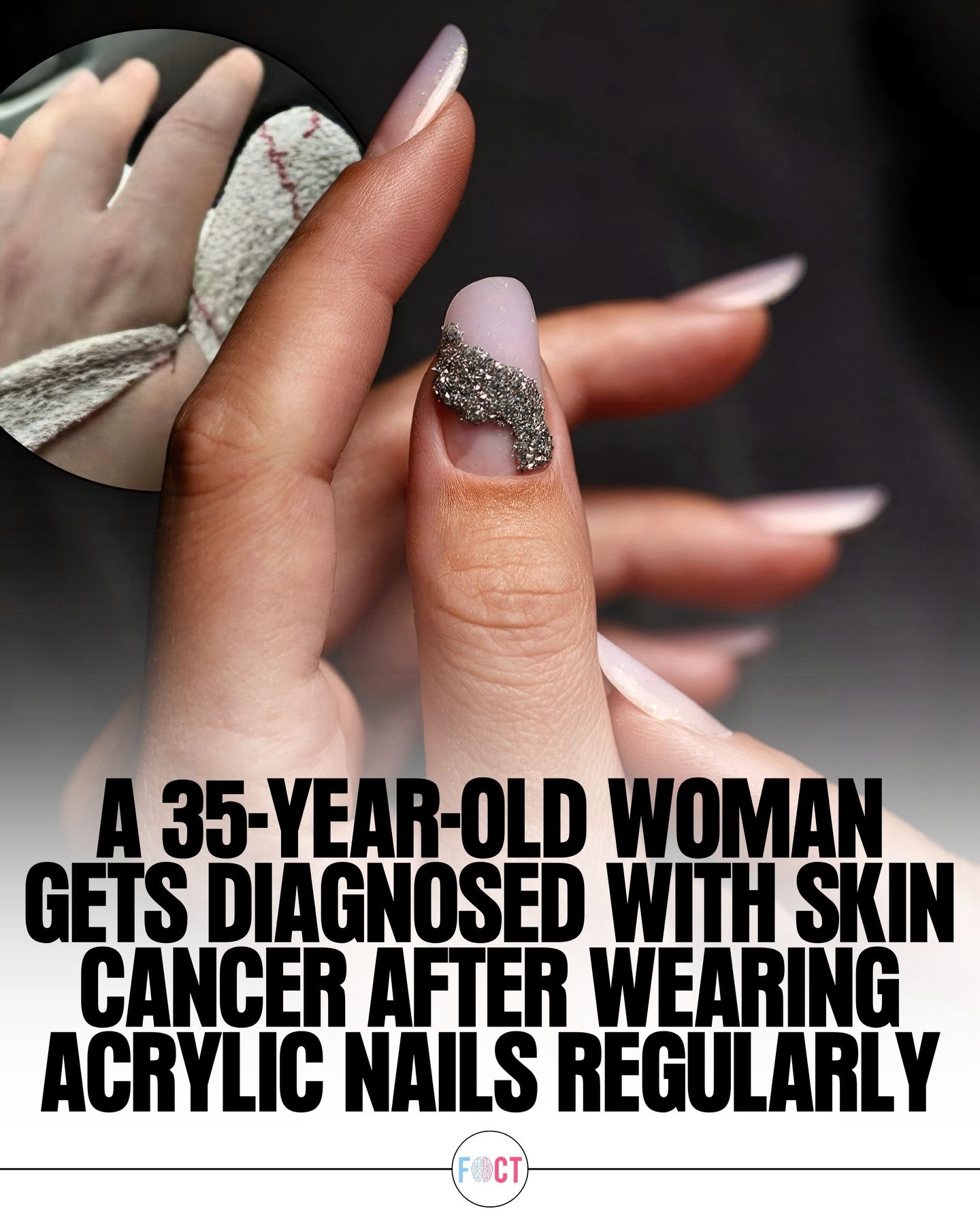
Skin Cancer Warning and the Risks of Acrylic Nails
There's a sobering reminder about the potential health risks associated with cosmetic routines, specifically the use of acrylic nails. A 35-year-old woman was diagnosed with skin cancer, and doctors believe that frequent exposure to UV lamps used for acrylic nails may have played a significant role in her diagnosis. This isn't to say that acrylic nails automatically cause cancer, but it highlights the importance of understanding the potential risks involved in cosmetic procedures.
Context / Why This Matters
UV nail lamps emit concentrated ultraviolet radiation, and consistent long-term exposure can increase skin-cell damage, particularly on the hands. This is a critical point because many people might not consider the potential dangers of these lamps, which are commonly used in salons and at-home nail care routines. Understanding these risks can help individuals make more informed decisions about their nail care and overall health.
Main Discussion
Understanding UV Nail Lamps
UV nail lamps are used to cure gel and acrylic nails. These lamps emit ultraviolet radiation, which hardens the nail polish or acrylic. However, this process exposes the skin to UV radiation, similar to that from the sun. While the exposure from a single session might seem minimal, regular and prolonged use can accumulate, leading to potential skin damage.
The Role of UV Radiation in Skin Cancer
UV radiation is a well-known carcinogen, meaning it can cause cancer. When the skin is exposed to UV radiation, it can lead to DNA damage in skin cells. Over time, this damage can accumulate, increasing the risk of skin cancer. The hands, which are often exposed to UV lamps during nail treatments, are particularly vulnerable.
Specific Risks Associated with Acrylic Nails
Acrylic nails involve the use of a liquid monomer and powder polymer that harden when exposed to UV light. This process can be repeated multiple times, especially if the nails are regularly maintained or if the use of nail art increases the frequency of exposure. The cumulative effect of these repeated exposures can increase the risk of skin cancer.
Expert Recommendations
Experts suggest several precautions to mitigate the risks associated with UV nail lamps. These include:
- Applying Broad-Spectrum Sunscreen: Before undergoing UV exposure for nail treatments, applying a broad-spectrum sunscreen can help protect the skin from harmful UV rays.
- Using LED Lamps: LED lamps are often safer alternatives to UV lamps. They emit a different type of light that is less harmful to the skin.
- Giving the Nails Regular Breaks: Allowing the nails to go without acrylic or gel polish for periods can reduce the frequency of UV exposure.
Practical Tips
Protecting Your Hands During Nail Treatments
If you frequently get your nails done, there are several practical steps you can take to protect your skin:
- Consult a Dermatologist: Before starting any new nail care routine, consult with a dermatologist to understand your skin's specific needs and risks.
- Choose LED Lamps: Ask your nail technician to use LED lamps instead of UV lamps. LED lamps are generally safer and cause less skin damage.
- Apply Sunscreen: Regularly apply a broad-spectrum sunscreen to your hands, especially before nail treatments. This can help protect your skin from UV radiation.
- Take Breaks: Avoid getting your nails done every week. Taking regular breaks can reduce the cumulative exposure to UV radiation.
Recognizing the Signs of Skin Damage
It's essential to be aware of the signs of skin damage that might indicate potential risks:
- Sunspots or Age Spots: These are flat, brown spots that can develop due to sun exposure.
- Wrinkles or Dry Skin: Excessive UV exposure can lead to premature aging of the skin.
- Moles or Freckles Changing: Any changes in moles or freckles, such as changes in size, shape, or color, should be examined by a dermatologist.
- Persistent Redness or Irritation: If you experience persistent redness or irritation on your hands, it might be a sign of skin damage.
Important Takeaways
The diagnosis of a 35-year-old woman with skin cancer linked to UV nail lamp exposure serves as a stark reminder of the potential risks associated with cosmetic procedures. It's essential to be aware of the dangers of UV radiation and take appropriate precautions to protect your skin. Regular breaks from nail treatments, using safer alternatives like LED lamps, and applying broad-spectrum sunscreen can significantly reduce the risks. Always consult a dermatologist if you notice any changes in your skin that might indicate damage.
Conclusion
Understanding the risks associated with cosmetic procedures like acrylic nails is crucial for maintaining overall health. While these procedures can enhance appearance and boost confidence, it’s equally important to be mindful of the potential health implications. By taking a few simple precautions, you can enjoy the benefits of nail treatments while minimizing the risks. Regular skin checks and consultations with healthcare professionals are key in ensuring your beauty routines don’t compromise your health.
Questions readers ask
How does the use of UV nail lamps in acrylic nail treatments contribute to skin cancer risk?
UV nail lamps emit concentrated ultraviolet radiation, which can cause skin-cell damage with frequent, long-term exposure. When these lamps are used to harden acrylic nails, the hands are directly exposed to UV rays, potentially increasing the risk of skin cancer over time.
Can occasional use of UV nail lamps for acrylic nails lead to skin cancer?
While occasional use of UV nail lamps may not significantly increase skin cancer risk, regular and prolonged exposure can. The more frequent the use, the higher the potential for skin-cell damage and subsequent cancer development.
What specific areas of the body are most at risk when using UV nail lamps?
The hands and fingers are the primary areas at risk when using UV nail lamps for acrylic nails. These areas receive direct and concentrated UV exposure, making them more susceptible to skin-cell damage and potential skin cancer development.
How can individuals who frequently use acrylic nails minimize their risk of skin cancer?
To minimize the risk of skin cancer, individuals who frequently use acrylic nails should consider using nail polishes that do not require UV lamps for hardening. Additionally, wearing UV-protective gloves or fingerless gloves during the hardening process can help reduce direct UV exposure to the skin.
Are there alternative nail treatments that do not involve UV exposure?
Yes, there are alternative nail treatments that do not require UV exposure. Traditional nail polish, gel manicures that use LED lamps which emit less harmful light, and dip powder nails are some options that do not involve the same level of UV radiation as acrylic nails.
What precautions should nail salons take to ensure the safety of their clients?
Nail salons should provide UV-protective gloves or fingerless gloves for clients and ensure that UV nail lamps are well-maintained and not excessively powerful. It is also crucial for them to inform clients about the potential risks of UV exposure and promote safer nail care practices.
Related deep dives
Similar reads based on topic and creator.




Recent articles
Fresh deep dives from the latest Reels we unpacked.




Comments
Be the first to comment.