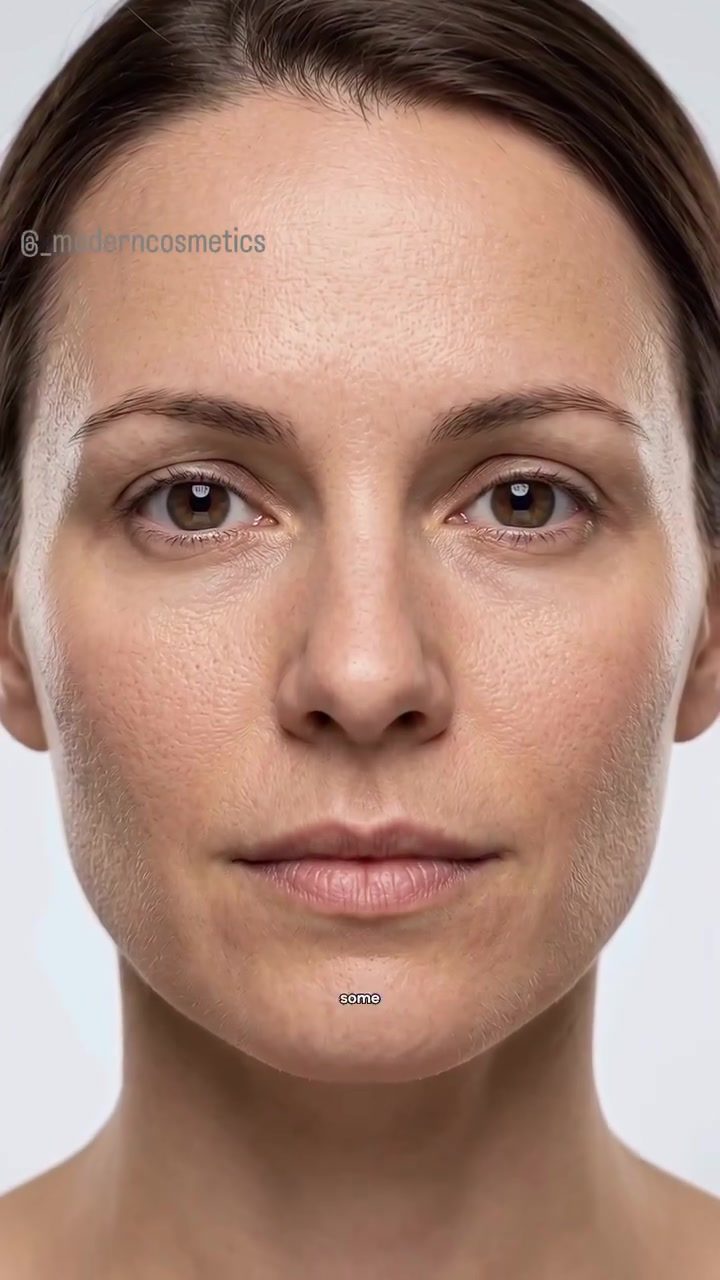
Understanding Hollow Temples
Hollow temples are a common facial feature that many people have, and they are primarily influenced by underlying anatomical structures. The appearance of hollow temples is shaped by several factors, including bone structure, facial fat compartments, muscle, and surrounding soft tissues. Understanding these influences can provide deeper insight into why some people naturally have hollow temples.
Context / Why This Matters
The temples are a critical area of the face that can significantly impact overall facial aesthetics. They are located on the sides of the forehead, just above the ears. The appearance of this area can vary greatly from person to person, and factors like genetics and aging play a significant role in determining whether someone has fuller or more hollow temples.
Anatomy of the Temples
Bone Structure
The bone structure of the skull plays a significant role in the appearance of the temples. The temporal bone, which forms part of the side of the skull, can vary in shape and size, affecting the overall contour of the temples. Some people may have more prominent cheekbones or a flatter temple area, which can contribute to a hollow appearance.
Facial Fat Compartments
Facial fat compartments are pockets of fat that are distributed throughout the face. These compartments can influence the fullness or hollowness of the temples. In some individuals, the temporal fat compartment may be more developed, leading to fuller temples. In others, this compartment may be less pronounced, resulting in a more hollow appearance.
Muscle and Soft Tissues
The muscles and soft tissues that support the temples also play a crucial role in their appearance. These structures provide support and definition to the area, helping to maintain its shape. As these tissues age or weaken, the temples may appear more hollow, as there is less support and structure.
Genetic Factors and Natural Aging
Genetics play a substantial role in determining the appearance of the temples. Some people may naturally have more fullness in this area due to inherited bone structure, fat distribution, and muscle development. Conversely, others may have a more hollow appearance, even at a young age. As we age, changes in facial fat, soft-tissue support, and underlying bone can make the temples appear progressively more hollow over time.
Natural aging processes can lead to a loss of facial volume and support, which can exacerbate the appearance of hollow temples. As the skin loses elasticity and the facial muscles weaken, the temples may appear more sunken and less defined.
The Impact of Temple Hollowing
The relationship between bone structure, soft tissue, facial volume, and natural aging is crucial to understanding temple hollowing. This phenomenon is not simply about losing fat; it involves a complex interplay of multiple anatomical layers.
Practical Tips for Managing Hollow Temples
When assessing the face as a whole, it's essential to understand what's happening beneath the surface. Each face has its own unique anatomy, which can influence the appearance of the temples. By recognizing the underlying structures and factors that contribute to hollow temples, individuals can make informed decisions about managing this feature.
Contouring Techniques
Facial contouring techniques can be a helpful way to manage the appearance of hollow temples. These techniques often involve the strategic application of facial products to create the illusion of fuller, more defined temples. Modern Cosmetics, for example, offers a range of facial products specifically designed to contour and enhance the appearance of the temples.
Contouring products typically come in various forms, such as powders, creams, and liquids, and are applied in specific areas of the face to create shadows and highlights. This can help to define the temples and create a more balanced facial appearance.
Medical Interventions
For some individuals, medical interventions may be necessary to address hollow temples. Cosmetic procedures, such as dermal fillers, can be used to add volume to the temples and create a fuller, more youthful appearance. These procedures involve injecting a filler substance, such as hyaluronic acid, into the temples to restore lost volume and support.
It's important to note that cosmetic procedures involve potential risks and should be performed by a qualified professional. Suitability, treatment options, risks, and outcomes can vary between individuals, so it's essential to consult with a healthcare provider before undergoing any cosmetic procedure.
Important Takeaways
- Hollow temples are influenced by a combination of bone structure, facial fat compartments, muscle, and soft tissues.
- Genetics and aging play significant roles in determining the appearance of the temples.
- Temple hollowing is not solely about losing fat but involves a complex interplay of anatomical factors.
- Understanding the underlying structures and factors that contribute to hollow temples can help individuals make informed decisions about managing this feature.
- Contouring techniques and medical interventions can be effective in addressing hollow temples, but it's essential to consult with a healthcare provider before undergoing any cosmetic procedure.
Conclusion
Hollow temples are a natural feature that can significantly impact the overall appearance of the face. By understanding the underlying anatomy and factors that contribute to this feature, individuals can make informed decisions about managing and enhancing the appearance of their temples. Whether through contouring techniques or medical interventions, there are various options available to address hollow temples and achieve a more balanced, youthful appearance.
Questions readers ask
What are hollow temples and what causes them?
Hollow temples refer to the appearance of concavity or hollowness in the temple area on either side of the forehead. This is primarily due to the underlying bone structure, distribution of facial fat, and the support provided by muscles. Genetics and aging also play a significant role in determining the fullness of the temples.
How does bone structure affect the appearance of the temples?
The temple bones, also known as the temporal bones, form the foundation of the temple area. The shape and prominence of these bones can significantly influence whether the temples appear full or hollow. Variations in bone structure can cause the temples to appear more concave or convex.
What role does fat distribution play in temple fullness?
Fat distribution in the face, particularly in the temple area, can greatly affect temple fullness. The temple region has specific fat compartments that, when present in sufficient volume, can fill out the area and create a fuller appearance. Conversely, fat loss in this region can lead to a more hollow look.
Can aging affect the appearance of the temples?
Yes, aging can significantly impact the appearance of the temples. Over time, the body's natural aging process can lead to facial tissue loss and fat redistribution, causing the temples to appear more hollow. Additionally, the natural loss of muscle tone and bone density can contribute to a more concave temple area.
What are some common signs of hollow temples?
Common signs of hollow temples include a noticeable concavity or indentation on the sides of the forehead, a shadowed or sunken appearance, and a lack of fullness or volume in the temple region. These signs can be more pronounced in certain lighting conditions or when the face is viewed from the side.
Can muscle support in the temples affect their appearance?
Yes, the support provided by the muscles in the temple area can influence their appearance. The temporalis muscle, which covers the temporal bone, plays a crucial role. A well-toned and developed muscle can add fullness to the temples, while muscle atrophy or weakness can contribute to a more hollow look.
How can I determine if my temples are hollow?
To determine if your temples are hollow, you can look for signs of concavity or a sunken appearance in the temple region. Comparing your temples with the surrounding areas of the face, such as the forehead and cheeks, can also provide insight. Additionally, taking pictures from different angles, especially from the side, can help visualize the temple area more clearly.
Recent articles
Fresh deep dives from the latest Reels we unpacked.




Comments
Be the first to comment.