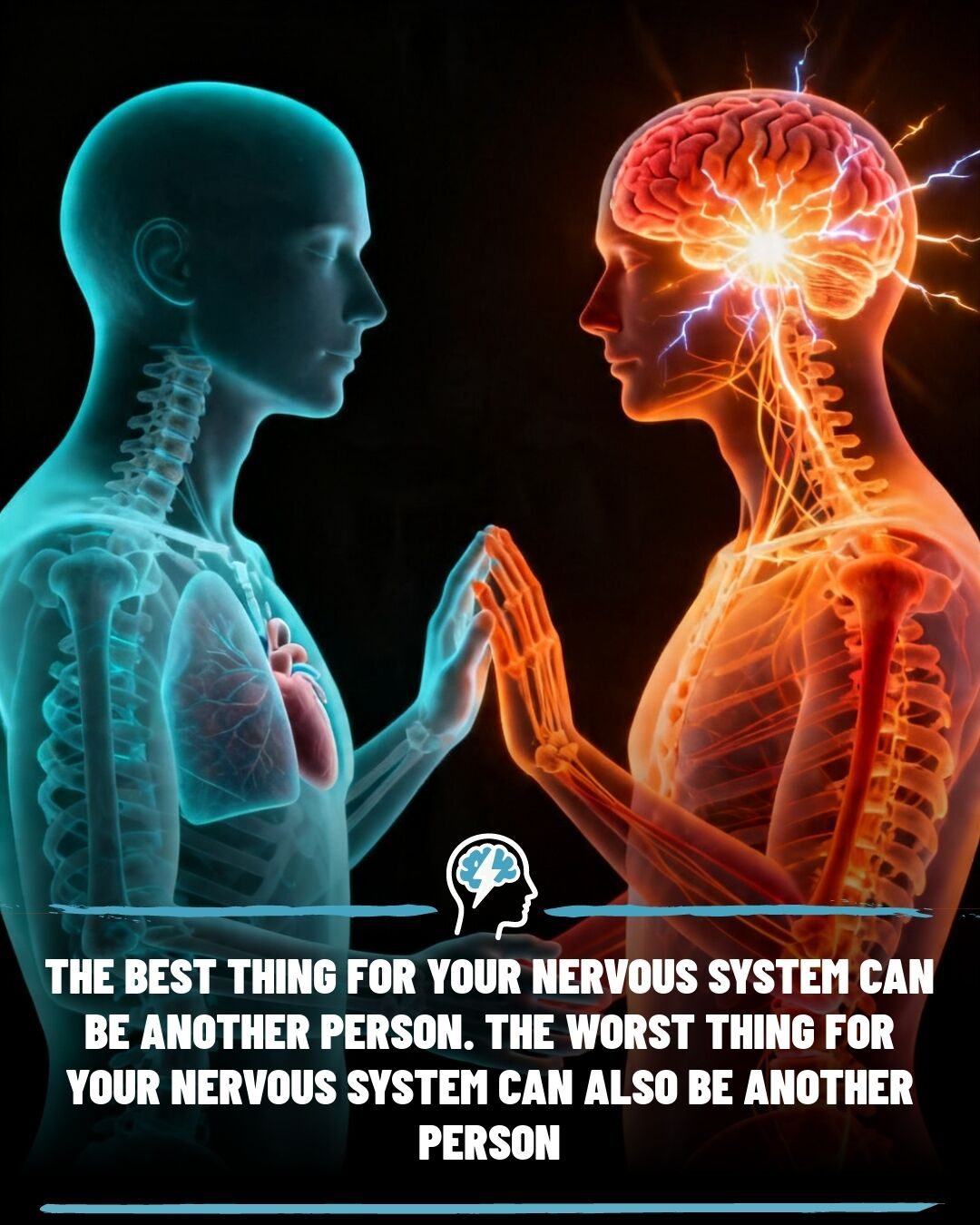
Nervous System and Social Interactions
Human interactions have a profound impact on our nervous system. The people you surround yourself with can either positively or negatively influence your mental and emotional well-being. Understanding how this works can help you navigate your relationships more effectively.
Context / Why This Matters
Your nervous system is constantly responding to your social environment. Positive interactions can calm your body and bring it back to balance, while negative interactions can trigger stress, anxiety, and overwhelm. Grasping these dynamics can enhance your relationships and improve your overall mental health.
Main Discussion
Co-Regulation: The Science Behind Social Interactions
Co-regulation is the process by which our nervous systems communicate with one another. When you're with someone who feels safe, your brain picks up on subtle cues through your social engagement system, mirror neurons, and the vagus nerve. This can signal your body to shift from a stress state toward calm. Positive social interactions have been linked to lower cortisol levels, slower heart rate, and the release of oxytocin, a hormone associated with bonding and trust. Additionally, positive social engagement is connected to the release of serotonin and dopamine, which support mood regulation and emotional balance.
The Impact of Safe Relationships
Safe relationships play a crucial role in maintaining a healthy nervous system. When you feel supported and connected, your body responds by reducing stress hormones and increasing the production of feel-good neurotransmitters. This can lead to a sense of emotional well-being and mental clarity. Studies have shown that individuals with strong social support networks experience lower levels of anxiety and depression, and enjoy better overall mental health.
The Consequences of Unsafe Interactions
On the other hand, chronic social stress or unsafe interactions can keep your nervous system stuck in survival mode. Elevated cortisol levels and activated fight-or-flight responses can lead to chronic stress, anxiety, and even depression. Social isolation, in particular, has been linked to faster cognitive decline and higher rates of mental health issues.
Practical Tips
Identifying Safe and Unsafe Interactions
Being aware of how different interactions affect your nervous system can help you manage your relationships more effectively. Pay attention to how you feel after spending time with certain people. If you feel drained or anxious, it might be a sign that the interaction was not beneficial. Conversely, if you feel calm and grounded, the interaction likely had a positive impact.
Protecting Your Social Environment
Protecting your social environment is essential for maintaining a healthy nervous system. Surround yourself with people who make you feel safe and supported. Limit your exposure to toxic or stressful relationships. Seek out positive social interactions and engage in activities that promote a sense of connection and well-being.
Seeking Professional Support
While understanding co-regulation can be helpful, it's important to recognize that complex mental health concerns require professional support. If you find that your nervous system is consistently disrupted by social interactions, consider seeking help from a mental health professional. They can provide you with the tools and strategies needed to manage your relationships more effectively.
Important Takeaways
People around you can significantly impact your nervous system. Positive interactions can bring a sense of calm and balance, while chronic stress and conflict can lead to anxiety and overwhelm. By understanding the process of co-regulation, you can recognize why certain connections feel restorative and why protecting your social environment matters for your well-being.
Conclusion
The people in your life genuinely affect how you feel in your body. Safe and supportive relationships can have a calming effect on your nervous system, while unsafe or stressful interactions can lead to chronic stress and mental health issues. By being mindful of your social environment and seeking out positive interactions, you can foster a healthier and more balanced nervous system.
Questions readers ask
How do social cues impact the nervous system?
Social cues influence the nervous system by triggering either stress or calm. Positive cues, such as supportive words or friendly gestures, can promote a sense of safety and relaxation. Conversely, negative cues, like hostile body language or criticism, can activate the nervous system's stress response, leading to increased heart rate and heightened anxiety.
What are the benefits of healthy relationships on mental well-being?
Healthy relationships can significantly improve mental well-being by providing emotional support and promoting a sense of security. They can help regulate the nervous system, reducing stress and anxiety, and fostering a greater sense of happiness and life satisfaction. Additionally, healthy relationships can enhance self-esteem and resilience.
How do toxic relationships affect the nervous system?
Toxic relationships can lead to chronic stress and anxiety by continually activating the nervous system's fight-or-flight response. This prolonged state of stress can negatively impact both mental and physical health, leading to issues such as high blood pressure, weakened immune system, and increased risk of mental health disorders.
What is co-regulation in the context of social interactions?
Co-regulation refers to the process by which our nervous systems synchronize and influence each other during social interactions. It is how we find safety and connection with others, whether consciously or subconsciously. In healthy relationships, co-regulation promotes mutual calm and understanding, while in toxic relationships, it can lead to increased stress levels.
How can understanding nervous system responses improve relationships?
By understanding how the nervous system responds to social cues, you can become more aware of your own reactions and those of others. This awareness can help you communicate more effectively, set boundaries, and foster healthier, more supportive relationships. It can also enhance empathy and emotional intelligence, making your relationships more meaningful and satisfying.
What are some signs that a relationship is affecting your nervous system negatively?
Signs that a relationship may be negatively affecting your nervous system include frequent feelings of anxiety or stress, difficulty relaxing, changes in sleep patterns, increased irritability, and a constant sense of being on edge. If you experience these symptoms, it may be beneficial to reassess the relationship and consider seeking support from a mental health professional.
Related deep dives
Similar reads based on topic and creator.



Recent articles
Fresh deep dives from the latest Reels we unpacked.




Comments
Be the first to comment.