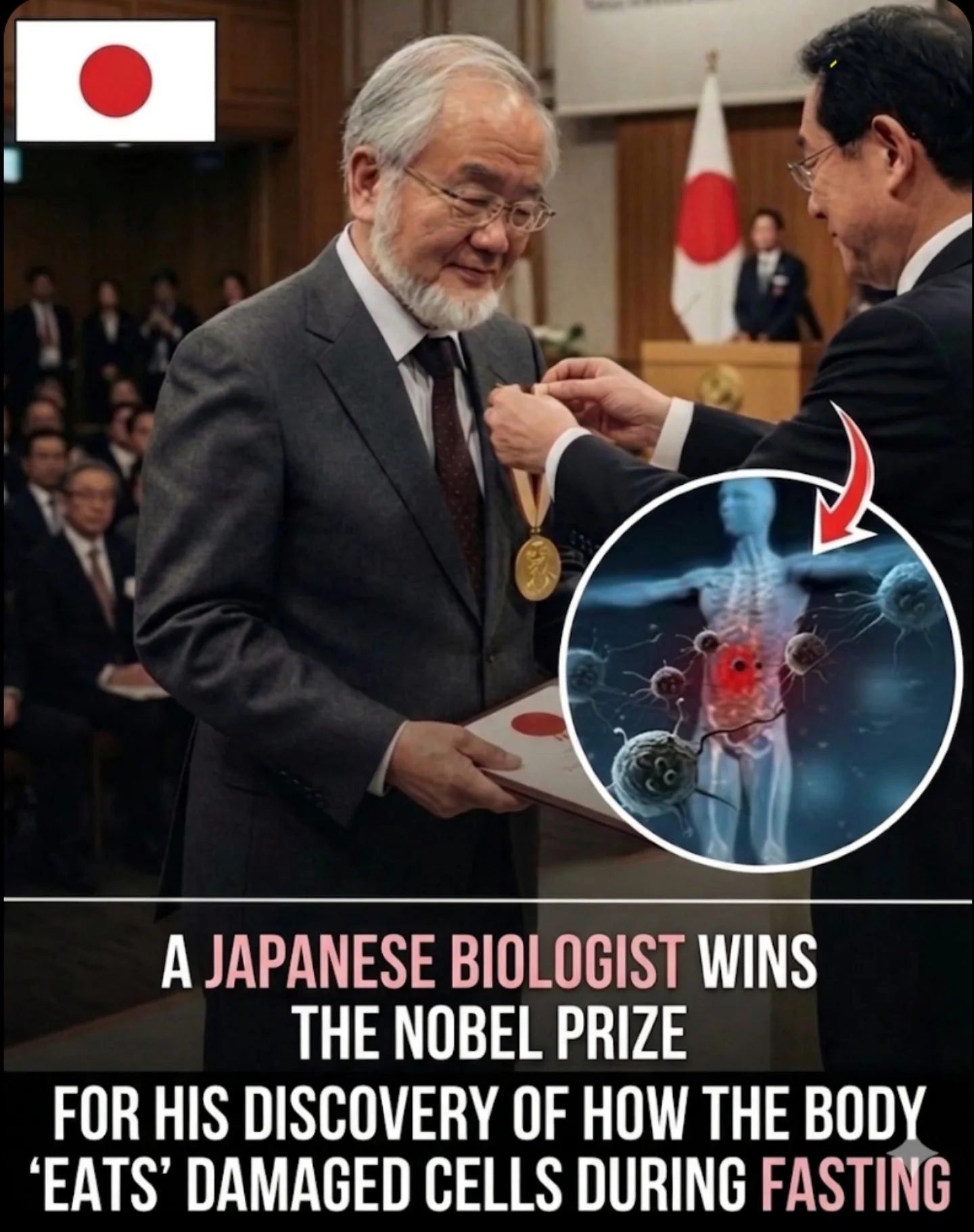
Nobel Prize Discovery: Yoshinori Ohsumi and the Science of Autophagy
Autophagy, a natural cellular process where the body's cells "eat" themselves to degrade and recycle damaged components, is a groundbreaking discovery by Yoshinori Ohsumi, a Japanese cell biologist. This process, which can be triggered by fasting, is essential for maintaining healthy cell function and preventing diseases like cancer, Parkinson's, and type 2 diabetes.
Context: The Impact of Autophagy
The discovery of autophagy earned Ohsumi the Nobel Prize in Physiology or Medicine in 2016. This prestigious award highlighted the significance of his work, which has since garnered global attention and sparked interest in the role of cellular processes in maintaining overall health.
The Science Behind Autophagy
Understanding the Process
Autophagy is a natural, regulated mechanism of the cell that disassembles unnecessary or dysfunctional cellular components. The term "autophagy" itself is derived from the Greek words for "self" and "eating," reflecting the process by which cells break down their own components. This cellular recycling is crucial for maintaining cellular homeostasis, the balance necessary for the proper functioning of cells.
The Role of Fasting
Research has shown that fasting can trigger autophagy. When the body is deprived of food, it seeks alternative energy sources, leading to the breakdown of old or dysfunctional proteins and cellular parts. This process is a form of "cellular housecleaning" that helps the body eliminate damaged cells and maintain optimal function.
The Connections to Health
Disease Prevention
The health benefits of autophagy are profound. By maintaining healthy cell function, autophagy plays a vital role in preventing a wide range of diseases. Some of the key benefits include:
- Cancer Prevention: Autophagy helps in the removal of damaged or mutated cells that could potentially become cancerous.
- Parkinson's Disease: Research suggests that autophagy plays a role in clearing out toxic proteins associated with Parkinson's disease.
- Type 2 Diabetes: Autophagy can help in regulating insulin sensitivity and glucose metabolism, reducing the risk of type 2 diabetes.
Healthy Aging
Autophagy is also linked to the process of healthy aging. As the body ages, the accumulation of damaged cells can lead to various age-related diseases. Autophagy helps in clearing out these damaged cells, promoting healthy aging and longevity.
Practical Tips for Enhancing Autophagy
Intermittent Fasting
Intermittent fasting is a popular dietary approach that involves cycling between periods of eating and fasting. This method can help trigger autophagy by depriving the body of food for extended periods. There are different types of intermittent fasting, including the 16/8 method (fasting for 16 hours and eating within an 8-hour window) and the 5:2 diet (eating normally for five days a week and restricting calories on the remaining two days).
Exercise
Regular exercise can also enhance autophagy. Physical activity increases the body's demand for energy, which can trigger the autophagy process. Activities like high-intensity interval training (HIIT) and resistance training are particularly effective in promoting autophagy.
Caloric Restriction
Research has shown that caloric restriction, or reducing the overall calorie intake, can enhance autophagy. This approach involves consuming fewer calories than the body needs while still obtaining all the necessary nutrients. However, it's important to ensure that the diet remains balanced and nutritious to avoid deficiencies.
Stress Management
Chronic stress can negatively impact autophagy. Techniques such as meditation, yoga, and deep breathing exercises can help reduce stress levels, promoting a healthier cellular environment and enhancing autophagy.
Supplements and Compounds
Certain supplements and compounds are known to enhance autophagy. Some of the most studied include:
- Resveratrol: Found in red wine, grapes, and berries, resveratrol is a polyphenol that has been shown to induce autophagy.
- Curcumin: A compound found in turmeric, curcumin has anti-inflammatory and antioxidant properties that can enhance autophagy.
- Spermidine: Found in foods like mushrooms, wheat germ, and soybeans, spermidine is a polyamine that plays a crucial role in autophagy.
- Metformin: A commonly prescribed medication for type 2 diabetes, metformin has been shown to induce autophagy and has various health benefits.
Important Takeaways
Autophagy is a critical process that maintains cellular health and prevents a wide range of diseases. By understanding and promoting autophagy, individuals can enhance their overall well-being and longevity. Intermittent fasting, exercise, caloric restriction, stress management, and the use of specific supplements and compounds are all effective ways to enhance autophagy.
Conclusion
Yoshinori Ohsumi's groundbreaking work on autophagy has shed light on the intricate cellular processes that maintain our health. By incorporating practices that promote autophagy, such as intermittent fasting and regular exercise, individuals can reap the benefits of this natural mechanism and improve their overall well-being. The science of autophagy continues to evolve, offering new insights and opportunities for maintaining optimal health and preventing disease.
Questions readers ask
Who is Yoshinori Ohsumi and what is his notable achievement?
Yoshinori Ohsumi is a Japanese cell biologist known for his pioneering work on autophagy. His significant contributions to understanding this cellular process earned him the Nobel Prize in Physiology or Medicine in 2016.
What is autophagy and why is it important?
Autophagy is a natural process where cells recycle their own damaged components. It is crucial for maintaining healthy cellular function and plays a significant role in preventing diseases such as cancer, Parkinson's, and type 2 diabetes.
How does fasting relate to autophagy?
Fasting can activate the autophagy process. During fasting, the body's cells start to break down and recycle their own components, promoting cellular renewal and overall health.
What diseases can autophagy help prevent?
Autophagy plays a role in preventing various diseases, including cancer, Parkinson's, and type 2 diabetes. By promoting cellular recycling and maintaining healthy cell function, autophagy can reduce the risk of these conditions.
What is the significance of Ohsumi's work on autophagy?
Ohsumi's work on autophagy has significantly advanced our understanding of cellular processes. His research has opened new avenues for exploring disease prevention and treatment, making a profound impact on the scientific community and public health.
Recent articles
Fresh deep dives from the latest Reels we unpacked.




Comments
Be the first to comment.