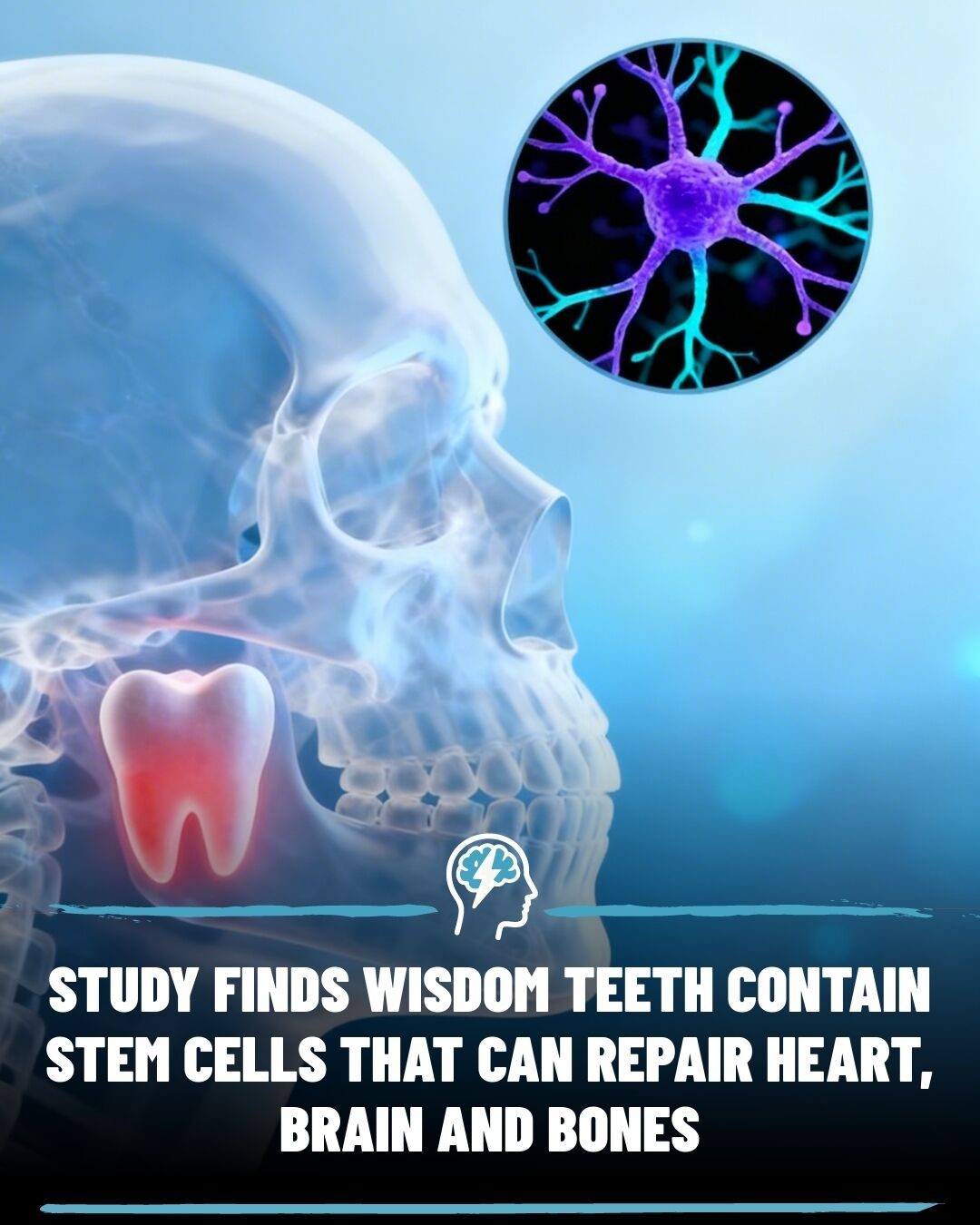
Wisdom Teeth: A Hidden Treasure Trove of Stem Cells
Wisdom teeth, often dismissed as "useless" molars, might hold more value than previously thought. Recent research suggests that these teeth, typically removed due to their lack of functional purpose in modern humans, contain powerful stem cells. These cells have the potential to transform into various types of tissue, including neurons, bone, cartilage, and even cardiac cells. This discovery opens up exciting possibilities for regenerative medicine.
Context / Why this matters
Understanding the regenerative potential of wisdom teeth is not just a scientific curiosity; it could revolutionize how we approach various medical conditions. By harnessing the power of these stem cells, researchers may develop new therapies for neurological diseases, orthopedic injuries, and more. This makes wisdom teeth a valuable resource for medical research and potential future treatments.
Main discussion
The Science Behind Wisdom Teeth Stem Cells
Wisdom teeth contain mesenchymal stem cells within their dental pulp. These cells are multipotent, meaning they can self-renew and develop into different cell types when exposed to the right biochemical signals. Researchers have successfully coaxed these cells into becoming functional neuron-like cells using potassium chloride and retinoic acid. This transformation involves the cells firing electrical signals, mimicking the behavior of actual neurons.
Potential Therapeutic Applications
The therapeutic implications of these findings are vast. Pre-clinical research indicates that dental stem cells could help with neurological conditions like Parkinson's disease by potentially replacing dopamine-producing neurons. In Alzheimer's models, these cells have been shown to secrete protective growth factors and may help clear amyloid plaques. For orthopedic injuries, the same cells can develop into bone and cartilage tissue, aiding in the repair of damaged joints and bones.
Why Wisdom Teeth?
Most people have their wisdom teeth removed anyway, making them an accessible source for stem cell banking. Unlike other sources of stem cells, extracting stem cells from wisdom teeth does not compromise dental health. This accessibility and lack of functional purpose in modern humans make wisdom teeth an ideal candidate for stem cell research.
Current State of Research
It's important to note that while the science is promising, these applications are not yet standard medical treatments. The research is largely pre-clinical, and results can vary significantly between individuals. Always consult healthcare professionals about treatment decisions, as the field is still in its early stages.
Practical tips
-
Consult Your Dentist: If you or someone you know is scheduled for a wisdom tooth extraction, consider discussing the possibility of stem cell banking with your dentist.
-
Stay Informed: Keep an eye on the latest research in stem cell therapy. The field is rapidly evolving, and new therapies could become available in the near future.
-
Maintain Dental Health: Even if you decide not to bank your stem cells, maintaining good dental health is crucial. Regular check-ups and proper oral hygiene can prevent many dental issues.
Important takeaways
Wisdom teeth, often seen as unnecessary, contain valuable stem cells that could revolutionize regenerative medicine. These cells have the potential to transform into multiple types of tissue, making them a promising resource for treating neurological and orthopedic conditions. However, the research is still in its early stages, and it's essential to consult healthcare professionals for any treatment decisions. By staying informed and considering stem cell banking, individuals can contribute to and benefit from this exciting field of research.
Conclusion
The discovery that wisdom teeth contain powerful stem cells opens up a world of possibilities for regenerative medicine. From treating neurological diseases to repairing orthopedic injuries, the potential applications are vast. As research continues to advance, it's exciting to think about the future of medical treatments and the role that these small, often overlooked molars might play. By keeping an open mind and staying informed, we can all be part of this groundbreaking journey.
Questions readers ask
What makes wisdom teeth stem cells so powerful?
Wisdom teeth stem cells are particularly powerful because they are capable of differentiating into a wide range of tissues, including neurons, bone, cartilage, and even cardiac cells. This versatility makes them highly valuable for potential treatments in various medical fields, such as neurological diseases and orthopedic injuries.
Why are wisdom teeth stem cells considered a valuable resource in regenerative medicine?
Wisdom teeth stem cells are considered a valuable resource because they are often discarded during routine extractions. By harvesting and utilizing these cells, researchers can explore new therapies for conditions that currently lack effective treatments, offering hope for patients suffering from degenerative diseases and injuries.
Can stem cells from wisdom teeth be used to treat neurological diseases?
Yes, stem cells from wisdom teeth show potential in treating neurological diseases. These cells can differentiate into neurons, which means they could be used to repair damaged neural tissue and potentially restore functionality in patients with conditions like Parkinson's disease, Alzheimer's disease, or spinal cord injuries.
What happens to the stem cells when wisdom teeth are extracted?
When wisdom teeth are extracted, the stem cells within the dental pulp and other parts of the tooth are typically discarded. However, by preserving these teeth and extracting the stem cells, researchers can potentially use them for regenerative therapies, opening up new avenues for medical treatment.
How are wisdom teeth stem cells harvested and stored?
To harvest stem cells from wisdom teeth, the teeth are extracted and the dental pulp is carefully removed. The stem cells are then isolated and can be stored in a cryopreservation facility, similar to other types of stem cell storage. This process allows for future use in regenerative medicine, ensuring the stem cells remain viable for potential therapies.
What types of orthopedic injuries can be treated with wisdom teeth stem cells?
Wisdom teeth stem cells can potentially treat various orthopedic injuries, as they have the ability to differentiate into bone and cartilage cells. This makes them useful for repairing fractures, treating osteoarthritis, and potentially regenerating damaged cartilage in joints, offering new hope for patients with orthopedic issues.
Are there any risks associated with using wisdom teeth stem cells for therapy?
The primary risks associated with using wisdom teeth stem cells are related to the extraction process and the potential for immune rejection. However, because these cells can be harvested from the patient's own body, the risk of rejection is minimized. Researchers are continually studying ways to optimize the safety and efficacy of these therapies.
Related deep dives
Similar reads based on topic and creator.



Recent articles
Fresh deep dives from the latest Reels we unpacked.




Comments
Be the first to comment.